
JOHANNESBURG – Scientists at the University of the Witwatersrand have designed South Africa's first app to warn residents about pollution levels as coal emissions have increased in recent weeks in Johannesburg, causing breathing problems and other health problems.
Africa's richest city is not far from the country's coal mines, and the air often has the rotten-egg smell of sulfur.
Environment Minister Willie Aucamp blamed the stench in Johannesburg on hydrogen sulphide emissions from mining and industrial operations 400 km (248 mi) to the east.
“It (sulfur smell) comes from mines that exceed their emissions,” Aucamp told Reuters in an interview in Johannesburg.
“We don't yet know which specific mines are which. The investigation is still ongoing.”
The app, launching later this year, uses data from hundreds of air-monitoring systems. It sends out notifications and advises residents on protective measures such as wearing masks when pollution increases, although masks only help with smog and soot, not gases like sulfur compounds.
Some residents of Johannesburg have problems breathing
Coal employs thousands of people, provides three-quarters of South Africa's electricity and one-quarter of its liquid fuels, which Sasol converts from coal.
Johannesburg resident Philisande Shange, who suffers from asthma, said she had a cough in February and March, which a health doctor linked to the city's poor air quality.
“I couldn't breathe or sleep and I lost 15 kilograms (33 pounds) of weight,” Shange told Reuters in an interview in Braamfontein.
Reuters interviewed five residents who reported flu-like symptoms, dizziness, sinus inflammation and asthma flare-ups.
Activists say economic cost of air pollution is underestimated
Bruce Mellado, a researcher who leads the SACAQM (South African Consortium of Air Quality Monitoring) app, said their system has picked up the increasing frequency of pollution spikes.
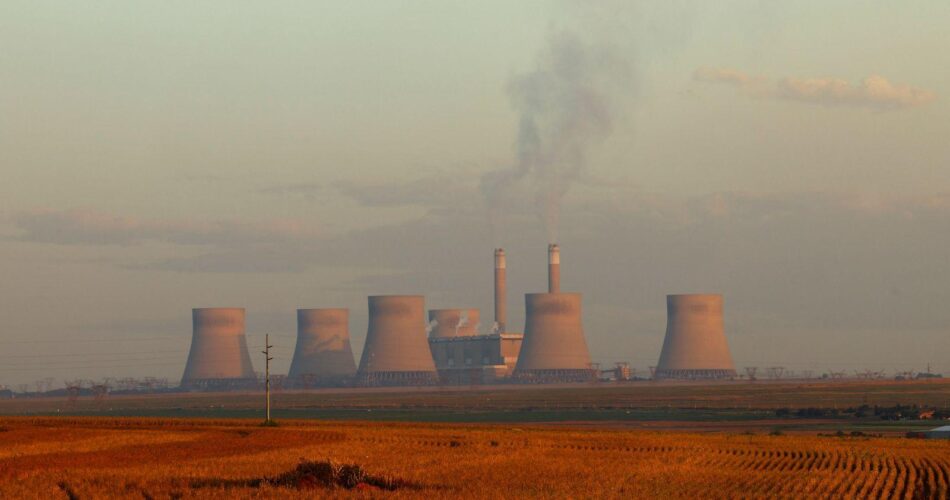
South Africa's two biggest polluters, Sasol and state-owned utility Eskom, were granted extensions of emissions allowances to 2025. Their largest facilities are located in the east of Johannesburg.
Sasol spokesman Alex Anderson said in an emailed response to questions that “no operational incidents or abnormal process conditions have been identified that would indicate an uncontrolled or abnormal release of sulfur emissions”.
Eskom did not respond to a request for comment.
When justifying laxity in air quality enforcement, officials point to the need to balance environmental and economic imperatives. Activists say the economic costs of pollution-related disease have been underestimated.
Rico Euripidou, a campaign coordinator at Groundwork, said, “We need more community monitoring… to understand how much air pollution really costs us.” — reuters