
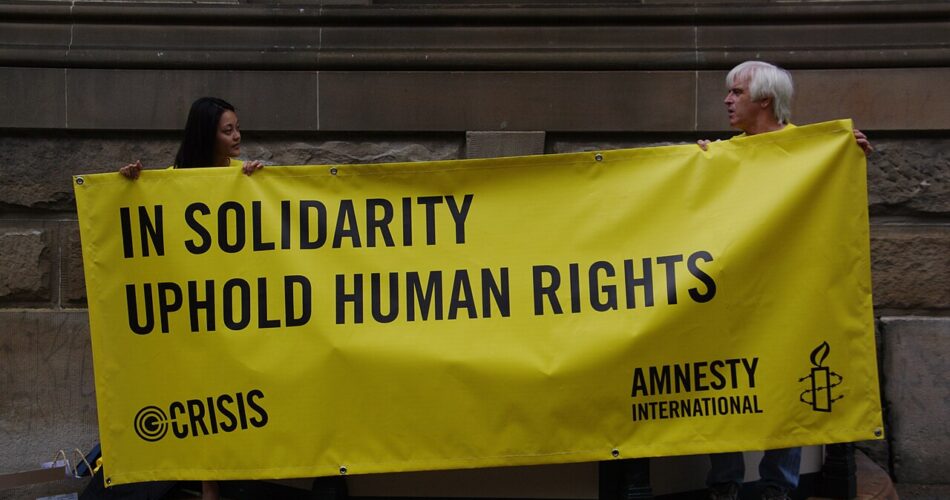
Amnesty International issued a statement on Saturday Criticism Continued harassment, arbitrary arrests and detention of independent journalists in several countries in Eastern and Southern Africa. Specifically, the organization reported an increase in Internet disruptions and shutdowns, as well as suppressive use of cyber security law To restrict media freedom, especially in countries where it occurred election In 2025 and 2026.
Media freedom has been restricted across eastern and southern Africa Quick Through a series of repressive measures, including arbitrary revocation of media licenses, arrest and arbitrary detention of journalists, unlawful surveillance, enforced disappearances, Internet shutdowns, and abuse of online regulatory laws. These developments show that the problem is not limited to isolated incidents in different countries, but reflects broader regional and structural patterns of attacks on press freedom.
The countries mentioned include EthiopiaTanzania, Uganda, Zimbabwe and Sudan. In zimbabweFor example, journalists reportedly faced harassment and violence during a public hearing on proposed constitutional amendments related to the extension of presidential term limits and the process of electing the President.
Tigre Chaguta, Amnesty International's regional director for Eastern and Southern Africa, highlighted the lack of accountability in all cases of attacks on journalists and warned that growing hostility towards the media threatens access to information and undermines accountability. Chaguta said, “Journalism is not a crime. Amnesty International reiterates its call on authorities in the region to immediately release all journalists held for doing their work, quash their convictions and sentences, and drop the charges against them. They should also refrain from enacting laws that impede media freedom.”
The continued targeting of journalists signals a broader attack on democratic freedoms. As Amnesty International Emphasizes, protection of the press is not optional – it is essential to accountability, transparency and protection of fundamental rights.
Looking ahead, the protection of press freedom in Eastern and Southern Africa will likely depend on the extent to which states align their domestic laws and practices with regional and international human rights obligations, including laws related to freedom of expression and access to information. Instruments such as the African Charter on Human and Peoples' Rights, together with the jurisprudence of regional bodies, provide a clear legal framework against arbitrary detention, censorship and unreasonable restrictions on the media.