
Nigeria has signaled readiness to repatriate its citizens from South Africa due to xenophobic violence in the country.
Foreign Minister of Nigeria, Bianca Odumegwu-OjukwuA statement on Sunday revealed that the repatriation would be voluntary.
“…Arrangements are currently underway to collect details of Nigerians in South Africa for voluntary repatriation flights for those seeking assistance to return home,” the minister wrote.
He said 130 Nigerians in South Africa had already expressed their desire to return home.
“So far, 130 applicants have duly registered to practice with our Mission in SA, but this figure is expected to increase. Nigerian unions in South Africa are also assisting our Mission in this regard,” the minister wrote.
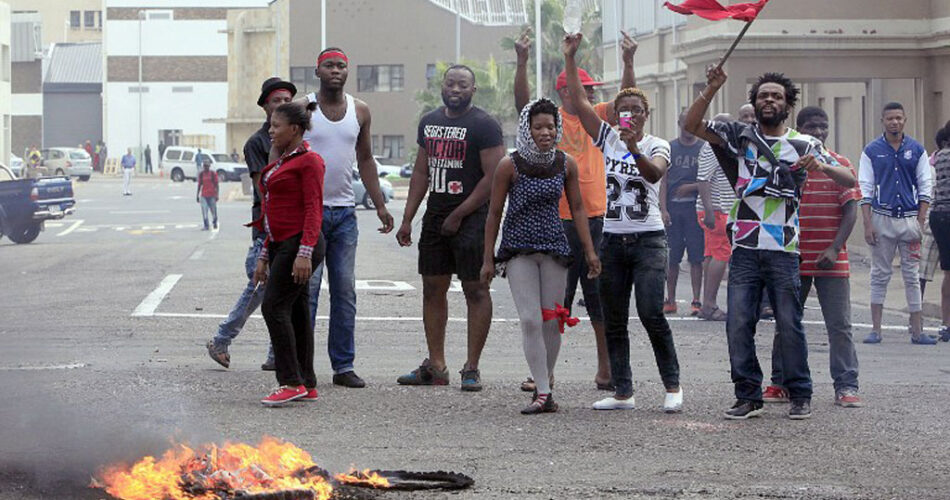
premium time informed Violent protests targeting African immigrants, including Nigerians, broke out in parts of South Africa.
Videos of hostility towards African immigrants had previously circulated on social media. Some South Africans were seen carrying sticks and chasing and beating black foreigners, and asking them to leave their country.
Security officials also reportedly became involved in targeting African migrants.
In April two Nigerians were killed by South African National Defense Force (SANDF) personnel in Port Elizabeth.
One of them, identified as Ekpenyong Andrew, was arrested and a few days later, his body was found in the Booyens area of Pretoria.
The second, Amaramiro Emmanuel, died of injuries sustained in an attack by security personnel. News of his death came amid xenophobic tensions.
Mrs. Odumegwu-Ojukwu described the deaths of Nigerians as “reprehensible” and “unacceptable” and said there were reports that violent protests would resume in some parts of South Africa.
He said the protests on 4–8 May would be closely monitored by the ministry and this, in part, informed the need to summon the South African High Commissioner to Nigeria, Thamsanqa Maseleku.
“The Nigerian High Commission and Consulate are in constant communication with the relevant host authorities amid ongoing consultations with the highest authorities of SA to ensure that the risk to our citizens due to the current tensions is minimized.
“The lives and businesses of Nigerians in South Africa should not be put at risk, and we are committed to working with South Africa to explore ways to end this xenophobic pattern. This has become a recurring trend, especially before elections in South Africa, and xenophobic opposition parties exploit this to garner votes.
“Nigeria has recently signed a Memorandum of Understanding with South Africa on early warning for the safety of citizens of both countries, especially in these times,” he said.
premium time even earlier informed Mrs Odumegwu-Ojukwu called on the South African High Commissioner to discuss “the ill-treatment of Nigerians and their businesses”.
The Foreign Ministry said the partnership was intended to “express the Nigerian government's deep concern” about the violence.
It described the situation as having “the potential to affect the cordial relations established between Nigeria and South Africa”.
Other African governments have also summoned ambassadors to their countries over protests against African migrants and attacks on foreigners.
The Ghanaian government last month summoned South Africa's top envoy to the country, Thando Dalamba, over “acts of intimidation and harassment” against its citizens.
During the meeting, the government expressed formal protest over recent “xenophobic incidents” against foreigners, including Ghanaians.