
South Africa's commercial sector is changing rapidly, reflecting the expansion of the e-commerce sector and supply chains becoming more complex, while many companies now operate with smaller teams than ever before.
This can be a great environment, and to survive it, most companies now recognize that flexibility is a strategic advantage.
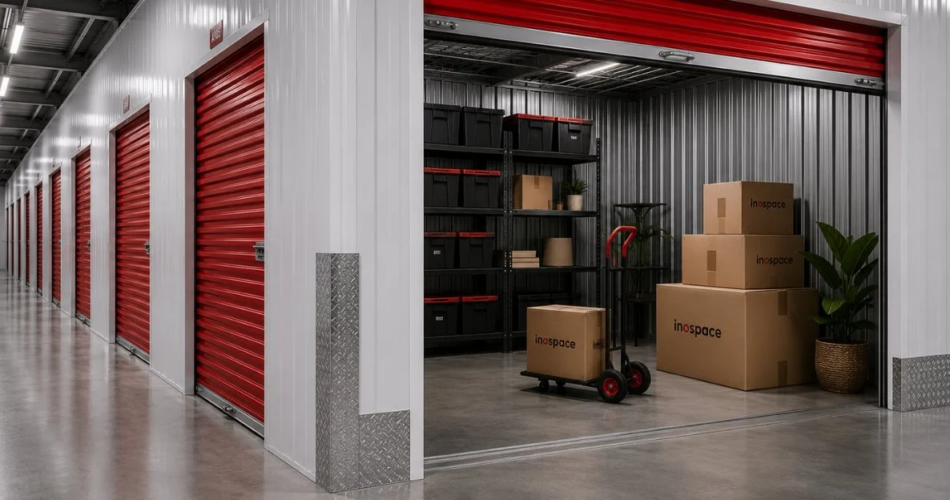
One area where this is particularly visible is storage. Instead of committing to large long-term warehouses, more businesses are adopting flexible storage solutions that adapt to their needs while reducing overhead costs, with companies like Innospace helping businesses access more flexible industrial and storage space options.
Changing needs of modern businesses
Business operations today look very different than they did a decade ago. Online sales channels are expanding While delivery expectations are constantly increasing, which means inventory needs to be moved faster and stored closer to customers.
Traditional warehouse leases often require large spaces and long contracts. That structure may work for established corporations, but it often proves restrictive for growing businesses that need agility.
Flexible storage solutions offer more adaptable options. Businesses can access the space they need today while maintaining the freedom to expand tomorrow. Since demand fluctuates throughout the year, companies can scale their storage footprint up or down without relocating their entire operation.
Supporting the growth of e-commerce
The rapid growth of e-commerce in South Africa has placed new pressure on logistics and warehousing infrastructure. Online retailers must stock products and fulfill orders while maintaining competitive delivery times.
flexible storage solution Make this process easy. Smaller warehouses with micro-distribution hubs and shared logistics locations allow businesses to strategically store inventory rather than relying on one large warehouse.
This distributed approach reduces delivery distances while improving operational efficiency. Plus, it helps businesses respond faster to seasonal demand spikes or unexpected surges in online orders.
Reducing costs while improving efficiency
Cost control remains a major priority for businesses operating in the challenging economic environment. Renting large industrial spaces can put unnecessary strain on cash flow, especially when companies only use a portion of the facility.
Flexible storage solutions solve this problem by allowing businesses to pay only for the space they really need. Options such as shared facilities and short-term agreements create a more efficient model that aligns costs directly with operational needs.
Along with reducing rental expenses, this model also reduces maintenance responsibilities and administrative complexity. Businesses can focus their energy on serving customers and increasing revenue rather than managing assets.
Helping business growth without any disruption
Companies looking to expand often face a difficult choice: move to a larger warehouse before they need it or risk running out of space as orders increase.
Flexible storage solves this dilemma. Businesses can start with a modest storage capacity, while gradually expanding their scope as operations expand. Instead of having to migrate and disrupt daily operations, they can scale easily in an adaptable storage environment.
A better approach to logistics
Storage facilities that once functioned solely as static warehouses are now becoming dynamic operations centers.
Flexible storage solutions fit naturally into this evolving ecosystem. By combining adaptable space with convenient locations, these facilities help businesses move goods more efficiently while keeping supply chains responsive.
For South African entrepreneurs and established companies, this choice reflects broader changes in the way businesses compete and grow in a rapidly growing economy.