
South Africa's economic story has been weak over the years, plagued by a decade of structural headwinds and recurring shocks. As anticipation grows around the upcoming GDP data, the forecast for the last quarter of 2025 suggests a modest but significant upward trajectory due to ongoing structural reforms.
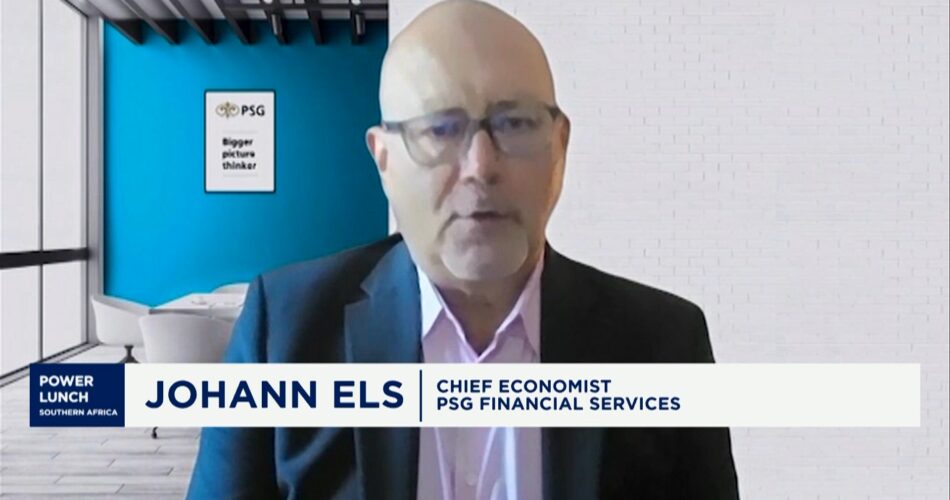
In an exclusive conversation with Johan Els, Chief Economist, PSG Financial Services, insights on the pace of the economy are discussed. Despite the uncertainties prevailing in the global economic environment, Els explained why South Africa stands on the cusp of a meaningful economic revival.
“The fourth quarter of last year was positive in terms of growth,” Ells said, pointing to an estimated growth of 0.3%, which is lower than the 0.9% and 0.7% seen in the previous quarters. However, cumulatively for the year 2025, a growth rate of 1.4% is projected, which represents a significant increase from the 0.5% seen in 2024.
Ells, while considering a gradual recovery, stressed that structural constraints are being eased due to the almost permanent decline in inflation and anticipated rate cuts. While the dynamics revealed a delicate dance between different sectors, some are set to lead the growth curve. Consumer-centric sectors stand at the forefront, boosted by improving confidence levels, decline in inflation and falling interest rates. Sectors such as transportation, financial services and government as well as retail and wholesale trade, including motor trade, are expected to show positive growth metrics.
Mining, manufacturing and power emerged as negative decliners in the fourth quarter. However, construction painted a brighter picture, with noticeable improvements pointing to a positive growth contribution. Agriculture remains a volatile factor given its quarterly volatility, although current indicators lean towards a positive outlook.
Looking at the global economic climate, Ailes warned of increasing risks. Inflation for 2025 was slightly above 3% according to initial expectations; However, higher oil and petrol prices may postpone an expected interest rate cut after March. This economic environment requires a balancing act for the Reserve Bank amid the backdrop of a delicate geopolitical scenario impacting oil prices and potential consumer spending.
“The immediate concern for policymakers and investors is the impact on confidence,” Ells stressed. The duration of global conflicts impacts not only on inflation but also on the certainty of trade and investment planning. However, if geopolitical tensions ease, optimism remains, potentially allowing oil prices to return to their previous low levels and facilitate the economic growth cycle.
Looking ahead to 2026, Ales painted a cautiously optimistic picture driven by significant commitments in utilities and infrastructure, as well as a strong presence of the private sector. “With ongoing improvements in power availability and logistics infrastructure, a growth rate around 1.9% is plausible,” Els suggested, noting that geopolitical variables pose downside risks.
As South Africa moves towards a brighter economic future, policymakers and stakeholders are being called to action. The path to sustained economic momentum is fraught with challenges, yet buoyed by early achievements in structural reforms and private sector participation. The road to strong growth may still be long, but signs of progress are increasingly visible.