
South Africa is known as having one of the most progressive constitutions in the world when it comes to protecting the rights of LGBTI people. Yet for many gay entrepreneurs, legal equality has not translated into meaningful economic opportunity.
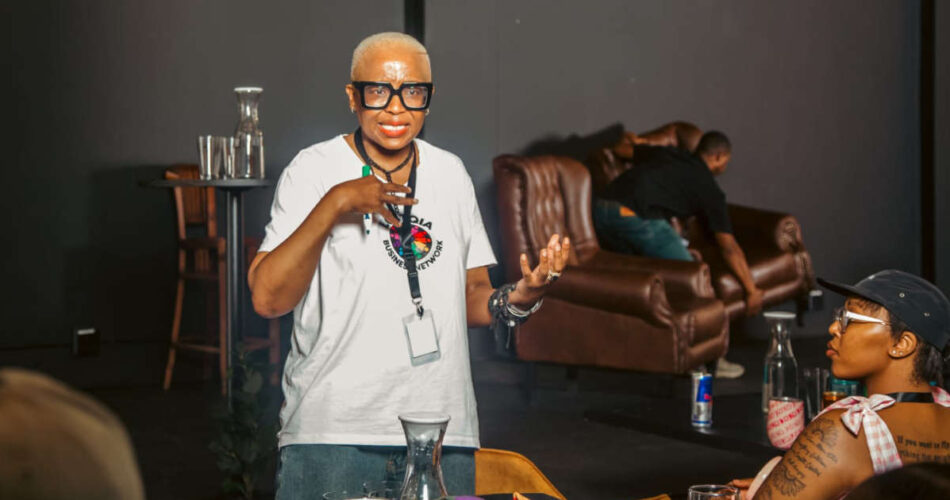
This gap between rights and economic participation was at the center of a recent dialogue organized by the LGBTI Business Network in partnership with the LBQ Network in Braamfontein, Johannesburg. The session brought together entrepreneurs, professionals and advocates to explore how South Africa can create a more inclusive economic environment for LGBTI communities.
Part of the Queer Economies program under the Queer Cartographies dialogue series, the discussion focused on moving from symbolic recognition toward real economic empowerment for queer people. Participants highlighted the ongoing challenges facing LGBTI individuals in accessing employment opportunities, leadership positions, business financing, corporate supply chains and markets.
For Fundi Ndaba, managing director of the LGBTI Business Network, one of the most significant barriers is something that often goes unnoticed.
“The biggest barrier preventing LGBTI-owned businesses from entering the mainstream corporate supply chain in South Africa is structural invisibility,” Ndaba tells MambaOnline.
“Unlike other designated groups within change frameworks, LGBTI entrepreneurs are often not recognized, tracked or intentionally included in supplier diversity and enterprise development programs.”
This lack of recognition means that many capable queer-owned businesses are excluded from procurement pipelines. According to Ndaba, the problem is not a lack of skills or entrepreneurial capacity, but rather systems that fail to recognize LGBTI businesses within transformation and economic inclusion frameworks.
Moving from symbolism to economic inclusion
Ndaba believes that corporate South Africa must move from symbolic gestures to deliberate economic inclusion.
This includes actively integrating LGBTI-owned businesses into supplier diversity strategies, opening up procurement opportunities through enterprise and supplier development programs, and collecting data to track inclusion within supply chains.
For Ndaba, diversity commitments can't stop at internal workplace policies or pride campaigns.
“If corporate South Africa is serious about inclusive growth, LGBTI entrepreneurs must be visible not only in Pride campaigns, but also in procurement systems and economic decision-making spaces.”
The dialogue also highlighted broader systemic issues affecting queer economic participation. Participants pointed to the under-representation of LGBTI voices in workplace governance and leadership structures, as well as the lack of institutional policies that fully recognize diverse sexual orientations and gender identities.
Entrepreneurs stressed the need for stronger support structures, including entrepreneurship training, incubation programs and better access to markets.
Reimagining queer economies
In addition to identifying barriers, the conversation also explored what a thriving gay economic ecosystem could look like in the years to come.
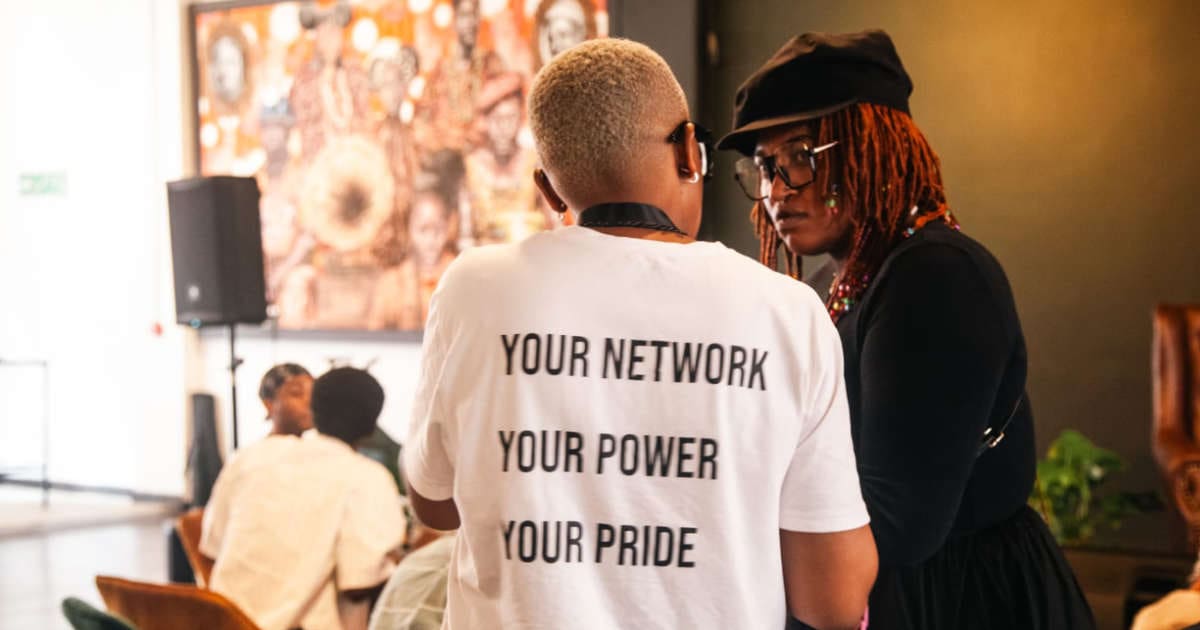
Ndaba described this approach as “reimagining queer economies”, where LGBTI entrepreneurs are fully integrated into South Africa's broader economic landscape.
He said, “In five to ten years, a thriving gay economic ecosystem will include strong LGBTI business networks, verified business directories, supportive policy frameworks, and intentional corporate supplier diversity programs that recognize and support LGBTI-owned enterprises.”
In such an environment, budding gay entrepreneurs will no longer have to fight for visibility or legitimacy.
“They will be recognized as innovators, job creators and contributors to South Africa’s economic growth, supported by institutions that actively invest in their success.”
A successful ecosystem will ensure equal access to funding, mentorship, incubation programs, procurement opportunities and markets for LGBTI-owned businesses, Ndaba said.
It would also mean workplaces where sexual orientation or gender identity does not determine opportunity, and where queer entrepreneurs participate meaningfully in corporate supply chains, enterprise development initiatives, and public procurement programs.
next frontier of equality
The discussion reinforced a key point: social visibility alone cannot deliver true equality.
While progress in legal protections and social acceptance has been significant, economic empowerment remains a significant limitation for LGBTI communities in South Africa.
As Ndaba stressed: “Visibility alone is not enough. True inclusion must translate into economic opportunities, leadership representation and access to markets for LGBTI entrepreneurs.”
For organizations like the LGBTI Business Network, the focus is now on building partnerships between government, corporates and civil society to create economic ecosystems where queer entrepreneurs can thrive and contribute meaningfully to South Africa's inclusive growth.