
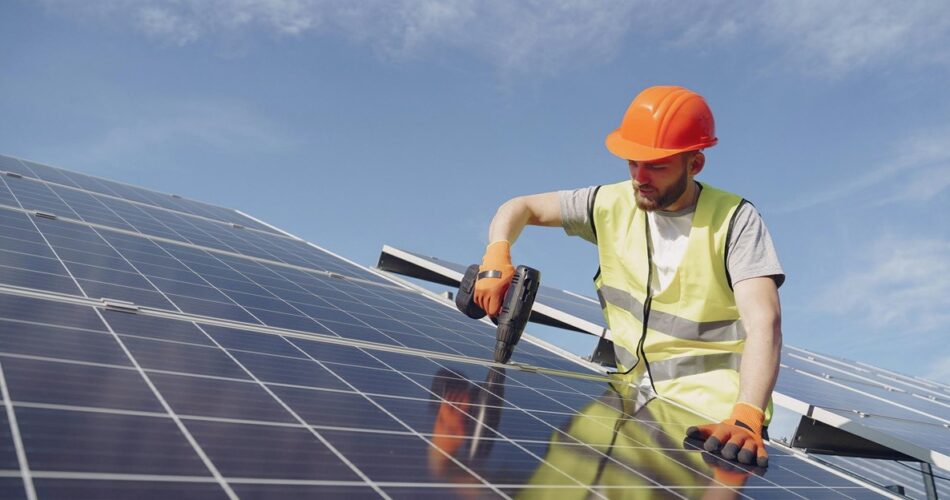
From a family of five to a business of 20, solar power is increasingly becoming the go-to alternative energy source for South Africans. Given the abundance of sunshine in the country and Eskom's ongoing electricity tariff increases, many people are turning to solar energy.
Image supplied.
new rules
By 2026, regulatory reforms and new financing models have brought solar power into the mainstream.
Thanks to simplified regulations and new, flexible payment options, solar energy has gone from being a complicated luxury to a practical, affordable solution for ordinary homes.
What was once a challenging investment is now giving South Africans the financial predictability and peace of mind they deserve.
One of the main reasons for this change is to eliminate government red tape.
Historically, strict regulations have made it difficult for individuals to generate their own electricity.
These old barriers have now been removed for most solar projects.
This means the market has opened up to more providers, competition is increasing and you're getting more choice, better service and lower prices.
“It's about giving people control over their costs,” says Andrew Middleton, CEO of GoSolar.
“Simplified rules are making it easier than ever for households to break free from ever-rising electricity prices.”
In the past, there could be long delays in registering a system.
Although rules still vary between municipalities, many have introduced streamlined processes, significantly reducing wait times and administrative headaches.
Additionally, the introduction of the Electricity Regulation Amendment Act (ERAA) in 2025 has created a more open and competitive energy system.

Rio Tinto's solar plant will provide 300GWh boost to South Africa's energy grid
competitive market
For businesses and individuals, this is great news.
More competition forces companies to offer better service, more innovative products, and more attractive pricing.
This is already happening in the residential solar market.
Of course, affordability remains a major concern. While equipment costs have declined, the upfront cost of a solar system can still seem steep.
In response, the market has moved beyond a one-size-fits-all approach, offering flexible ways to obtain solar power.
- Subscription Model: For many South Africans, the biggest barrier to adopting solar energy is the upfront cost. Subscription-based models remove this barrier entirely. Instead of purchasing a system, you pay a simple, flat monthly fee that is often less than your current electricity bill. In return, you get a fully installed and managed solar solution. The provider handles all maintenance, cleaning, and repairs, so there are no surprise costs. It's a straightforward way to reduce estimated bills, giving you peace of mind without the long-term commitment.
- Ownership Model: Although owning your own system requires a large initial investment, it can unlock the greatest long-term savings and offer tax incentives. This route is ideal for those who want to make a sustainable investment in their business or property and achieve complete energy independence.
The impact of these changes is clear: more and more South Africans are taking back control.
This growing wave of rooftop solar power plants is not only good for individual families; This strengthens the entire country by reducing stress on the national grid and building a more resilient energy future.

Solar & Storage Live Africa: TrinaSolar's Zaheer Khan explains why South African businesses are chasing the sun
There are still challenges to be addressed, but the direction is undeniable.
Solar energy is no longer just a niche solution; It is a smart, practical and increasingly essential choice for South Africans looking to avoid rising costs and take control of their energy.
In a country with so much sunshine, you have that power.