
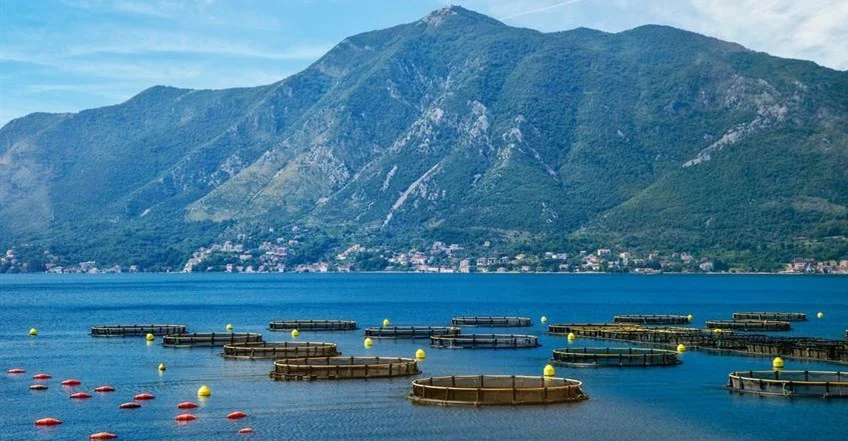
By doubling the production of blue foods such as fish, shellfish, crustaceans and aquatic plants, Africa could reduce its protein gap with the rest of the world by a quarter, creating 3.3 million jobs and contributing $17 billion in additional GDP, according to a new report from the World Economic Forum in partnership with the Boston Consulting Group (BCG).
Report, Investing in Blue Foods: Innovation and Partnership for ImpactShows that targeted investment and innovation can transform one of the continent's most underdeveloped, high-potential food sectors into a driver of inclusive and sustainable economic growth.
Africa currently produces 13.1 million tonnes blue foods Yearly, yet the sector faces significant losses and disruptions. One-third of production is lost after harvest, 70–80% of production costs (compared with about 60% globally) are due to feed, and outbreaks of fish disease can destroy entire crops. Without strategic intervention, the continent risks falling further behind. By 2032, Africa may be the only continent where per capita consumption of blue foods will decline, as production growth is expected to lag population growth.
“Africa has the resources, talent and demand to expand its blue food sector,” said Tolu Oyekan, BCG Managing Director and Partner and Head of BCG West Africa. “But fragmented value chains and low investment are hindering growth. This report outlines strategies to improve productivity, scale and competitiveness through innovation and coordinated action across the public and private sectors.”
Innovation: The Engine to Scale Impact
The report identifies five areas where innovation can improve productivity, sustainability and value creation:
• input: New feed solutions like black soldier fly larvae and methane-fermented proteins could reduce dependence on costly imports. In Ghana, work is being done to convert organic waste into protein-rich aquafeed and fertilizer. In Egypt and Kenya, improved hatcheries and oral vaccines are increasing yields and reducing losses from disease.
• Production:AI-powered tools for real-time fish monitoring and accurate feeding are helping smallholder farmers reduce wastage and improve survival rates. In South Africa, live diagnostics are being used to prevent damage. In Egypt and Bangladesh, improved hatchery systems have increased fingerling survival by 30–50%.
• processing: Affordable solar dryers in Uganda and AI-based grading systems in Morocco and Nigeria are improving quality and shelf life, especially for women-led processors.
• supply chain: Innovations such as solar-powered cold rooms (coldhubs) in Nigeria and digital control towers in East Africa are reducing spoilage and improving logistics, allowing smallholders to access premium markets.
• circularity and waste: Insect-based waste conversion in Ghana and smart gear recovery systems for West African coastal fisheries can create new value streams while reducing pollution and resource loss.
The report also highlights the need for coordinated policy and partnership frameworks. Interventions require regulators, financiers, development partners and the private sector to design risk mitigation mechanisms that attract long-term capital.
“The Blue Food Innovation Hub in Ghana brings together government, the private sector, academia and civil society to coordinate innovation and research in the blue food sector,” said Tania Strauss, member of the World Economic Forum's Executive Committee.
Lessons from countries like Indonesia, China and New Zealand show that large-scale change is possible when policy, finance and innovation ecosystems are aligned. The report highlights the World Economic Forum's Food Innovation Hub Global Initiative as a platform to accelerate these efforts.
“To realize the full potential of Africa’s blue food economy, we must treat it as core infrastructure, not a niche,” Oyekan said. “This means incorporating blue foods into national food strategies, investing in cold chains and rural logistics, and partnering with the private sector to scale up successful approaches.”
The full report is available for download.