
South Africa's leading business organizations have called for calm, strong government leadership and adherence to the rule of law given the tensions around emigration and immigration Continue to promote public debate both locally and across the African continent.
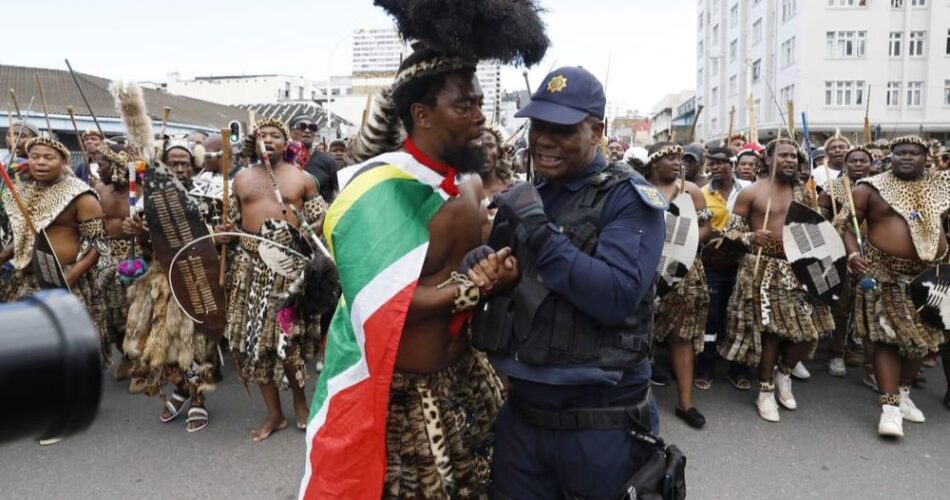
It comes as anti-illegal immigration marches have increased across the country in recent weeks At least three Mozambican civilians killed in Moselle Bay And some immigrants are taking refuge in major cities out of fear for their lives.
Governments of Ghana and Mozambique Whereas South Africa has already chosen the option to bring back its citizens other governments have Reported South Africa to the African Union for discussion over xenophobic sentiments.
In a joint statement released on Friday, Business Unity South Africa (BUSA) and Business Leadership South Africa (BLSA) warned that violence and hostility towards foreign nationals threatens not only social cohesion but also South Africa's economic interests and regional position.
The organizations acknowledged that concerns about unemployment, crime, service delivery, border management and economic inclusion are legitimate and require urgent attention.
However, he stressed that such challenges should be addressed through legitimate and constructive policy interventions rather than actions targeting migrants.
“At a time of increasing economic pressures, unemployment, high crime levels and social challenges, it is understandable that citizens want legitimate concerns addressed,” he said.
BUSA and BLSA urged the government to take decisive leadership in managing the situation and ensure that the concerns of the communities are effectively addressed while maintaining public order.
The organizations welcomed the commitments made by President Cyril Ramaphosa during the recent presidential budget vote debate, particularly his pledge to restore and maintain the rule of law in dealing with immigration and border management challenges.
“We urge swift action to ensure a return to the rule of law,” the business groups said.
He argued that South Africa needs “strong, steady leadership” on immigration, labor enforcement and social cohesion, adding that clear and measured governance would reassure communities, investors and other stakeholders.
BUSA and BLSA warned that migration management is a complex global challenge that extends far beyond South Africa's borders. He said countries around the world face similar pressures as they attempt to balance domestic economic realities with humanitarian responsibilities and international commitments.
Business organizations stressed that South Africa's constitutional values, including human dignity, equality and human rights, must remain at the heart of any response.
While acknowledging that illegal immigration is a legitimate policy concern that requires effective state action, he rejected violence and the targeting of individuals on the basis of nationality.
“For us, true security can only be achieved by strengthening the rule of law,” he said.
The groups also highlighted the potential economic consequences of increasing hostility toward foreign nationals.
South African companies have extensive operations across Africa, investing billions of rands and creating jobs across the continent. At the same time, businesses from other African countries and beyond have continued to invest in South Africa, employing thousands of local workers.
According to BUSA and BLSA, attacks on foreign nationals undermine these economic ties and could damage South Africa's reputation as an investment destination.
“The hostilities disrupt critical corporate operations, strain diplomatic relations with regional partners and threaten the security of personnel and infrastructure in cross-border trade corridors,” the organizations said.
“Our future prosperity is inseparable from the economic development of the continent.”
Business groups linked the migration debate to broader continental integration goals, arguing that Africa's future prosperity depends on stronger economic cooperation and regional development.
He said achieving the African Union's Agenda 2063 vision of a unified, prosperous and peaceful Africa requires the legal movement of people, ideas, capital, technology and trade across borders.
To support this approach, BUSA and BLSA call on African governments to pursue harmonized migration policies and accelerate the implementation of the African Continental Free Trade Area (AfCFTA).
They identified modern border management systems, stronger regional cooperation and intensified efforts to combat illicit trade as important priorities.
The organizations said the private sector is ready to partner with governments across the continent to achieve these objectives.
BUSA and BLSA reaffirmed organized business's commitment to working with governments and African partners to build an inclusive economy while promoting human rights, social cohesion and sustainable economic growth.
He argued that a commitment to legitimate governance, dialogue and cooperation is the best path towards achieving shared prosperity and lasting peace across the continent.
business report