
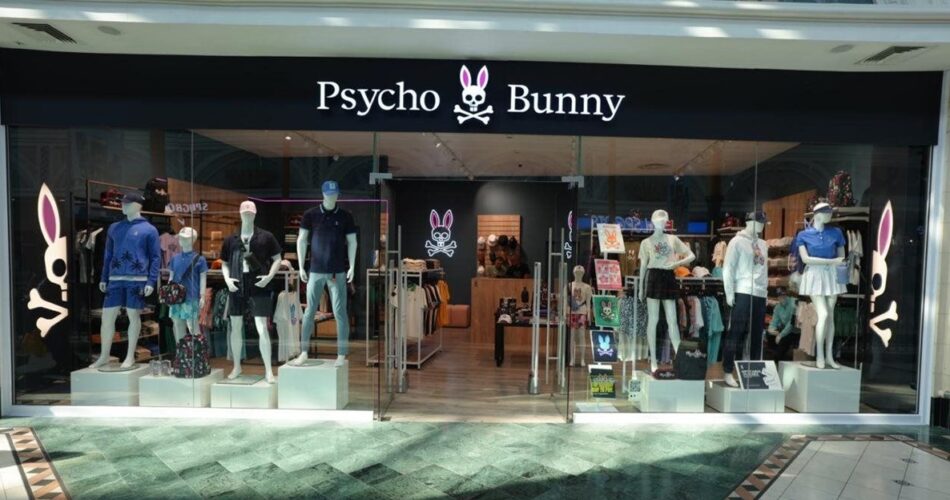
From a single boutique in downtown Johannesburg's Sandton to a national presence of six stores in less than two years, premium apparel brand Psycho Bunny is accelerating its South African expansion, a sign of growing confidence in the country's luxury retail market.
Image supplied
The latest milestone comes with the opening of Psycho Bunny's fourth South African store at the Canal Walk Shopping Center on 26 June 2026.
Two additional stores are scheduled to open by September, expanding the brand's presence in Johannesburg, Cape Town, Durban, Pretoria and Polokwane, as well as a workforce of more than 50 employees.
The expansion reflects both the growing local appeal of global brands and growing optimism towards South Africa's premium fashion sector.
Riding the momentum of South Africa's luxury retail
Psycho Bunny's launch comes as South Africa is emerging as one of the world's fastest growing luxury goods markets.
According to Euromonitor International, the country's luxury goods market is projected to grow 15% in 2025, outperforming markets such as India and the United Arab Emirates.

Inside the luxury economy: why cash is no longer your golden ticket
Meanwhile, retail sales of textiles, clothing, footwear and leather goods recorded the strongest performance across all retail categories in January 2026, highlighting resilient consumer demand for fashion despite macroeconomic pressures.
For the entrepreneurs behind Psycho Bunny's local operations, those market conditions reinforced their belief that South African consumers were ready for a premium lifestyle brand that combines quality craftsmanship with distinctive design.
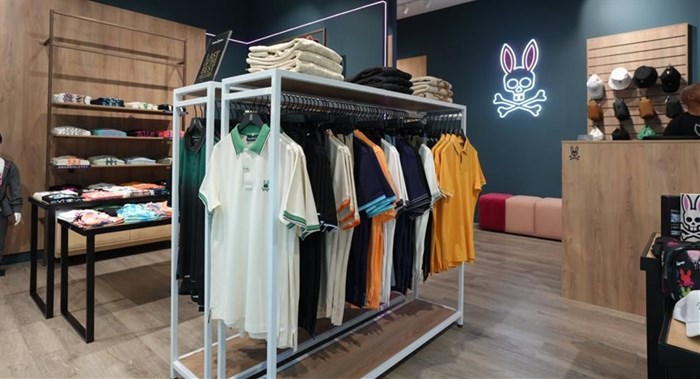
Image supplied
Building a Premium Retail Business
Leading the South African expansion are husband-and-wife entrepreneurs Taryn and Richard Epstein, who have exclusive local distribution rights for Psycho Bunny through Slimsuit Distributors.
The pair have built careers in retail spanning several decades, combining operational expertise with a deep understanding of premium consumer brands.
For Managing Director Taryn Epstein, the journey has been from the ground up, moving from store operations and territory management before helping to establish a multi-brand retail business with her husband.
Richard Epstein says the decision to introduce Psycho Bunny to South Africa was driven by the brand's proven international performance and exceptional customer loyalty.
“We had seen Psycho Bunny build an almost cult-like following internationally and we believed that the South African consumer, who is discerning, brand-conscious and hungry for newness, deserved access to this,” he says.
“The quality speaks for itself. Once someone wears a Psycho Bunny polo, they come back.”
For retailers, repeat purchases remain one of the strongest indicators of long-term brand success, especially in the premium apparel segment where customer loyalty drives sustainable growth.
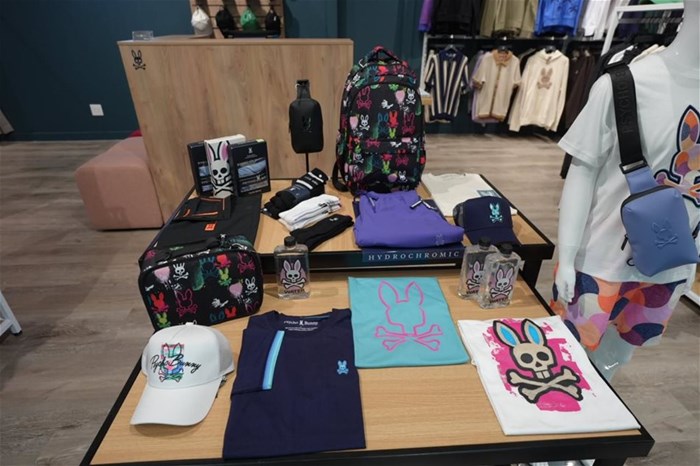
Image supplied
More than just a polo shirt
Founded in 2005, Psycho Bunny was built around a single ambition: producing the perfect polo shirt.
That philosophy still defines the brand today, featuring apparel featuring premium pima cotton, taped seams, mother-of-pearl buttons and its instantly recognizable rabbit-and-crossbones logo, embroidered using more than 3,000 individual stitches.
The company's focus on craftsmanship is in line with broader consumer trends identified by Euromonitor's Voice of the Consumer: Retail Survey 2025, which found that more than half of high-income shoppers now prefer to buy fashion in physical stores, reflecting new demand for experiential retail.
Rather than compete on price alone, premium brands are increasingly differentiating themselves through quality, exclusivity and customer experience.
From menswear to family lifestyle brands
While Psycho Bunny has established its international reputation through premium menswear, its South African business is evolving into a broader lifestyle offering.
The introduction of a rapidly growing children's range as well as women's apparel in late 2025 has expanded the customer base to a great extent.
Children's apparel already contributes approximately 20% of the total South African turnover, exceeding the expectations of the local management team.
“The response to the children's apparel has exceeded every expectation,” says Taryn.
“Parents who discover the brand through their wardrobe also want to dress their children in the same way. It has become a family brand in South Africa, and that's a very exciting space to be in.”
The expansion reflects a broader trend among premium fashion retailers, many of which are expanding successful adult brands into family-focused product categories to deepen customer relationships and increase lifetime value.
Investing in people while expanding
The retailer's rapid store rollout has also created new employment opportunities, with each new location supported by dedicated retail teams.
For Taryn, growing a business is about more than opening a store.
She says, “Retail is a people business. Every store we open is a team of individuals that we're investing in, training and developing.”
“Psycho Bunny attracts a special kind of person: infectious energy, genuine enthusiasm and the kind of personality that lights up the room as soon as they walk in. Psycho Bunny people are like that.”
As South Africa's premium retail sector evolves, attracting and retaining skilled retail talent is becoming a key competitive advantage.
looking ahead
Psycho Bunny's South African business is entering a new phase of expansion, with six stores expected to be operating across the country by September.
For Richard Epstein, continued growth will depend on continuing to deliver the quality and customer experience that has defined the brand globally.
“Premium brands earn their place by delivering on every promise, every time,” he says.
“Psycho Bunny does that, and our job is to ensure that every South African who values quality, craft and originality knows this brand by name.”
From a single flagship store to a growing national footprint, Epstein's expansion strategy reflects broad confidence in South Africa's premium consumer market, where experiential retail, strong brand identity and product quality continue to drive demand despite the challenging economic environment.