
The Federal Government has strongly condemned the killing of two Nigerian nationals in South Africa and alleged the involvement of South African security personnel in one of the deaths.
It warned that it could take regional and international action if attacks against Nigerians continued.
In a statement issued on Sunday by Foreign Ministry spokesman Kimibi Abianfa, the government described the incidents as extremely disturbing and called on South African authorities to immediately investigate the killings and prosecute those responsible.
According to the ministry, one of the victims, Emeka Charles Iroegbu, was allegedly murdered by Tshwane Metro Police officers in Sunnyside, Pretoria on June 28, 2026, using “horrific interrogation techniques”.
The ministry also recalled the previous killing of another Nigerian, Nnemeka Matthew Andrew Ekpenyong, who was reportedly shot dead by the same police officers on April 20, 2026.
It said no arrests had been made despite the identities of the four South African Police Service officers being known.
The second victim, Moses Yunana Joe, known as “Big Joe”, was reportedly murdered by unknown gunmen in front of his shop in Witbank, Mpumalanga on 28 June.
Also read: Nigeria accuses South African police of “gruesome” killing of civilians
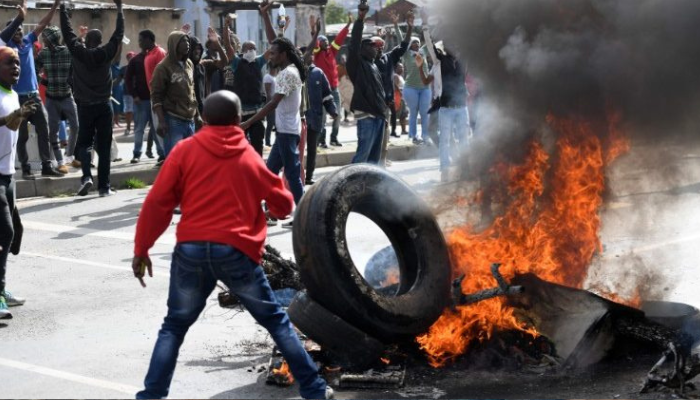
The Nigerian government said the killings came amid rising xenophobic tensions in South Africa and expressed concern that Nigerians and other foreign nationals were increasingly becoming targets of violence.
It argued that the repeated attacks raise serious concerns about the safety of Nigerians living in South Africa and raised questions about attempts by some groups to falsely portray hard-working and law-abiding Nigerians as criminals.
The ministry further alleged that the continued pattern of attacks, particularly those involving Tshwane Metro Police officers, points to possible collusion by security actors and raises questions about state responsibility under international law.
It said that records compiled by Nigerian diplomatic missions provide grounds for criminal liability and stressed that South Africa's high crime rates and persistent mob violence should not be used as justification for targeting foreigners.
The federal government also criticized recent comments by a South African government spokesperson who challenged Nigerians who left the country due to allegedly xenophobic protests to reveal where illegal drugs were hidden.
According to the ministry, such statements were irresponsible, insulting and capable of inciting hatred and violence against Nigerians living in South Africa.
It equally condemned the activities of groups such as March on March and Operation Dudula, and accused their leaders of promoting violence and hatred against fellow Africans.
The government warned that those responsible for inciting attacks against foreigners could face regional and international criminal liability.
Nigeria urged South African authorities to immediately complete investigations into the two recent murders, as well as the many unresolved cases involving Nigerian victims, and ensure that all perpetrators are brought to justice.
It stressed that regardless of any charges against individuals, due process and the rule of law must always be upheld, noting that suspects must be considered innocent until proven guilty by a competent court.
The ministry expressed sympathy with the families of the deceased and pledged that Nigeria would continue dialogue with South Africa at the highest diplomatic levels until justice is served.
It advised Nigerians living in South Africa to remain calm, law abiding and security conscious in the wake of xenophobic and Afrophobic demonstrations.
The government urged citizens to relocate to safer neighborhoods where necessary and avoid areas prone to violence, while diplomatic efforts continue to address the growing scourge of Afrophobia in South Africa.
“A large number of South African citizens and businesses continue to operate freely and safely in Nigeria without harassment,” the statement said, stressing that the South African government has an obligation to protect the lives and property of Nigerians living legally within its borders.
It described the systematic targeting of Nigerian civilians as unacceptable and called for stronger guarantees for their safety.
The federal government further warned that it would consider activating all available diplomatic and legal options if the attacks continued.
It appealed to domestic Nigerians to remain peaceful and refrain from retaliating, saying it was committed to resolving the crisis through dialogue, negotiation and the principles of African unity, brotherhood and solidarity that underpin Nigeria's foreign policy.
Meanwhile, the Ministry of Foreign Affairs revealed that the evacuation of registered Nigerians wishing to leave South Africa is ongoing.

