The company expects the deal to increase earnings per share by 6% and earnings before interest, taxes, depreciation and amortization by approximately 13% in the first full year following closing.
Al-Lamki said the deal could result in a higher payout for shareholders. Adnoc Distribution's dividend policy guarantees 75% of net income at a minimum of $700 million or more per year until 2030.
Adnoc Distribution enters the South African fuel retail market which has increasingly consolidated around commodity-trader-backed owners. Vitol's Vivo Energy became the market leader after buying most of Engen from Malaysia's Petronas in 2024, while Glencore runs the country's second-largest network since its acquisition of Chevron's Caltex stations in 2018.
In line with South Africa's broad-based Black Economic Empowerment law, the 28% stake in SDSA will be sold to a local partner and an employee stock-option plan following the closing, leaving Adnoc Distribution with a 72% majority. SDSA had a fuel volume of approximately 3.5 billion liters and operated 360 convenience stores by 2025.
Adnoc Distribution said South Africa's regulated fuel pricing structure provides gross margins per liter equivalent to those in the UAE, which protects returns from inflation and currency volatility.
Before the US–Israeli war with Iran, about 60% of the country's refined product demand was met by imports, mainly from the Gulf. When Al-Lamki was asked if his company would invest in refining, he said, “We are, first and foremost, a convenience and retail company.” He said it would focus on retail networks, convenience stores, aviation, B2B and lubricants.
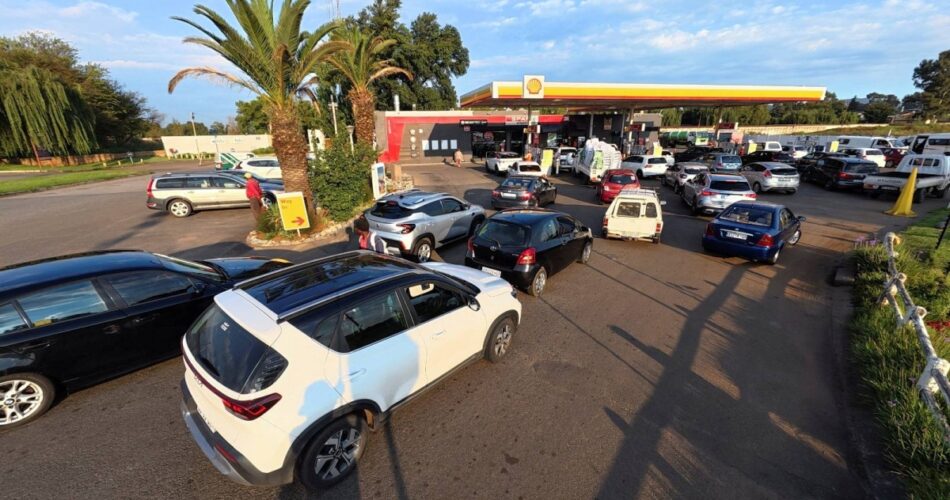
Adnoc Distribution will retain the Shell brand for retail service stations and lubricants business under a long-term licensing agreement.
“Shell has been in South Africa for more than 120 years. Customers are used to it,” Al-Lamki said. “We believe there is value in maintaining this brand.”
related story