
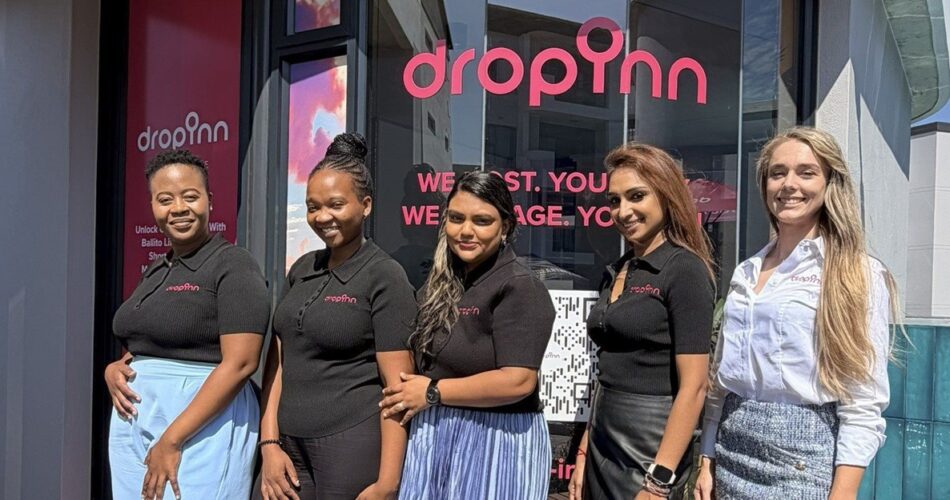
South Africa's coastal property market is undergoing change as buyers increasingly look for more than traditional residential ownership. Driven by migration, remote working and changing lifestyle expectations, developers are exploring hospitality-integrated models that combine hospitality, income generation and professional management.
Source:Supplied.
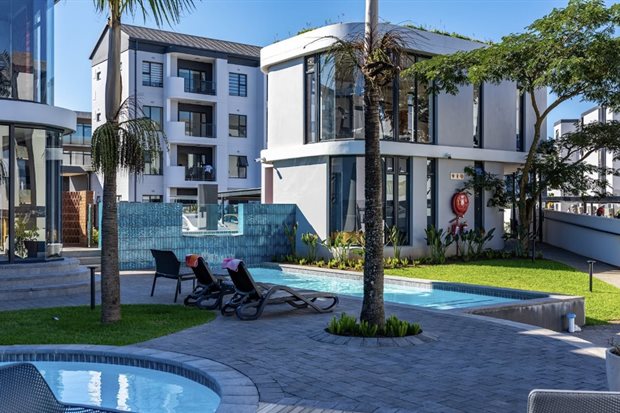
On the North Coast of KwaZulu-Natal, Arcis Property Development's Ballito Life Estate is pioneering this approach through its DropIn Hospitality solution, creating an aparthotel model designed to meet the growing needs of investors and residents while reshaping expectations around residential developments.
This decision was driven by market observations rather than principle.
“During the delivery of their first development, Ballito Village, we identified growing demand for professionally managed short-term accommodation from business travelers, remote workers, families relocating and semi-grantees exploring the area before making a permanent move.
Andrea Santoriello, Arcis Sales and Marketing Director, explains Arcis' innovative introduction of DropIn to investors, “What initially emerged as a pragmatic response to housing demand soon revealed broader shifts in consumer behavior.”
According to Santoriello, buyers are no longer looking at property solely as a living space or as a traditional buy-to-let investment. They are looking for assets capable of serving multiple objectives simultaneously which include personal use, income generation and long-term capital appreciation. This development reflects broader changes taking place in South Africa's housing market.
Responding to a more flexible buyer's market
Migration to coastal areas such as Ballito continues, with professionals and families relocating from major metropolitan centers in search of a better lifestyle, better schools, increased safety and greater flexibility.
According to Rainmaker Marketing North Coast Property Market ReportThe region has seen an average of 193 new households move in each month since 2011, while nationally, 27% of South African home sellers plan to buy in a different province in 2024, up from just 16% in 2019.
Source:Supplied.
Many potential residents spend several weeks or months experiencing an area before committing to a permanent move, creating a sustained demand for quality short-term accommodation that extends far beyond the traditional vacation market. At the same time, remote and hybrid working models have created a new category of travelers.
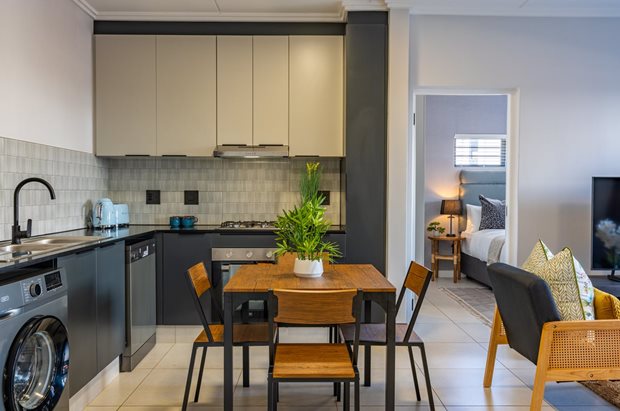
These individuals require accommodation that provides the comfort and functionality of home while maintaining the level of convenience and service associated with hospitality.
For developers, these changing patterns present both challenges and opportunities. The challenge lies in moving beyond the traditional model of delivering only residential units. The opportunity lies in creating integrated communities that generate value long after construction is complete.
Creating long-term value beyond construction
Hospitality based infrastructure has become one way to achieve this. Professionally managed accommodation platforms, co-working facilities, lifestyle amenities and service-driven environments help activate growth while creating additional revenue opportunities for investors. Importantly, these benefits extend beyond short-term guests.
Developments that maintain hospitality-level standards often experience stronger maintenance in common areas, greater amenity utilization and a more consistent overall resident experience.
The result is an environment that can support both lifestyle appeal and long-term asset value. This is particularly relevant as competition in South Africa's residential development sector intensifies.
Source:Supplied.
Buyers are becoming increasingly sophisticated, evaluating developments not only with regard to location and pricing, but also on the broader ecosystem of services, experiences and income-generating opportunities available within a community.
Where residential living and hospitality meet
This trend is already evident internationally, where the lines between residential living, hospitality and flexible housing are becoming blurred. It seems that South Africa is also following the same path.
For Archis, the hospitality component at Ballito Life is not just about accommodation management. This represents a widespread belief that future residential developments will need to deliver much more than homes.
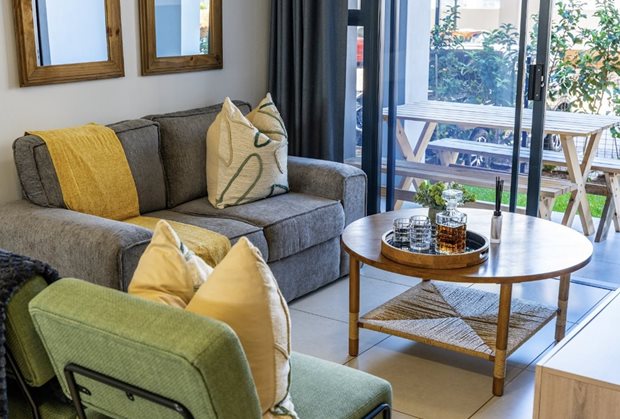
As buyer expectations evolve, developments that succeed are likely to be those that recognize property as part of a wider lifestyle and investment ecosystem; Where ownership, resilience, community and income generation increasingly co-exist.
Source:Supplied.
Santoriello says, “Arcis was an early adopter of hospitality-integrated residential development on the North Shore, and the market is now moving in the same direction. Through DropIn, investors receive short-term rental income returns without the day-to-day management burden, while the properties themselves benefit from consistent standards and professional inspection long after handover.
“We believe strongly in that model now that we are moving Dropin forward from Arcis-built development.”
At Ballito Life, that future is already taking shape, introducing a new model of ownership where more work is done on property, lifestyle becomes more flexible, and hospitality becomes an integral part of everyday life. With a limited number of apartments remaining, your chances of being a part of this pioneering model are diminishing.