
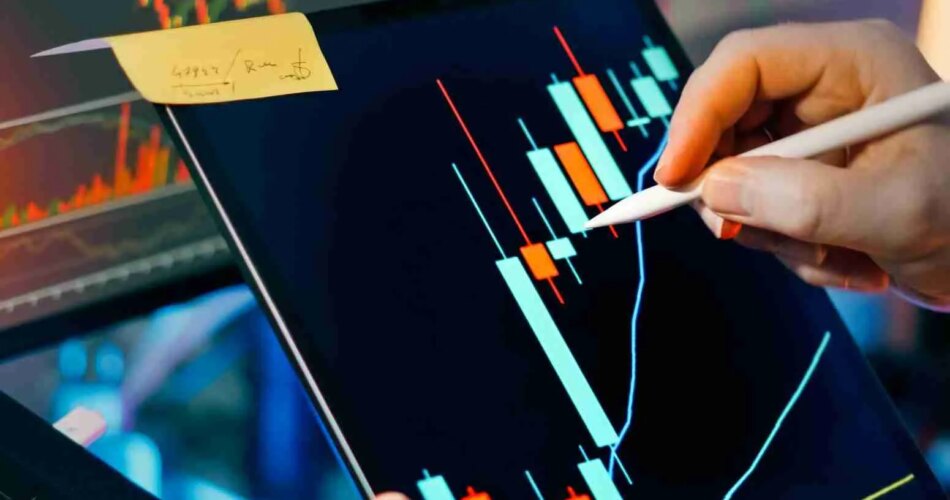
The business is no longer hidden behind the Sandton office door. Across South Africa, this is happening on mobile screens during minibus rides, during lunch breaks and after hours.
Take a weekday morning in Johannesburg. It is now common to see someone flipping through charts while waiting for coffee. Not Instagram or WhatsApp; Candlesticks, currency pairs and crypto prices are moving in real time.
It's a small change, but it says a lot about South Africa right now. Business used to seem distant and complex, but that's changing. Mobile trading apps are at the heart of this. They don't just make trading easier. They make it feel like anyone can do anything.
Business is not what it used to be
Ten years ago, if you said you traded global markets, people probably imagined a finance expert; Suits, big screens and some fancy degrees. That image no longer fits.
Mobile trading apps have taken away that seriousness to a great extent. You don't need any complicated setup or deep technical skills. For many South Africans, their first experience of trading is not on a computer, but on the phone.
And that changes everything. Once trading goes mobile, it becomes part of your daily routine. Check it out while you're traveling or sneak a peek before you sleep. It stops being a “big deal” and turns into just another app you swipe on.
Countries ready for mobile finance
South Africa did not fall into this trend. The country has one of the highest smartphone usage rates in Africa, and people are used to doing everything digitally; Banking, shopping etc. So when trading apps started emerging, the change seemed quite natural.
The real difference was access. Suddenly, global markets were no longer just headlines. They were things you could actually touch.
Are gold prices rising? You can do business. Is oil reacting to news abroad? It is right there. US indices opening? Now you don't have to sit it out. That direct connection to the global financial world? This is a huge attraction.
No longer just for the rich
Who does business is changing rapidly. For centuries, trading has come with an underlying assumption: you need real money to get started. Not just a little, but enough to cover the fees, minimum deposit and learning curve.
Mobile apps are breaking that barrier. Many platforms now allow people to start with small amounts. This reduces psychological barriers as well as financial barriers. Trading becomes less scary, something you can at least test out.
This is happening a lot to young South Africans. Students, new graduates and business people balancing multiple jobs are curious and they get into it. Not everyone is on board, but the point is that now they have a chance. This was not always possible.
What exactly is causing this surge?
Ask regular users and you'll get mixed answers. Some people want extra cash. Others are curious. Some are real market fanatics. And there is something deeper, uncertainty.
When fluctuations in the rand or global news begin to shape local prices, people pay attention. Trading stops feeling abstract and becomes practical. here is a solid south african trading app fits into. The most popular let you trade everything; SleepOil, indices and crypto, all in one place.
But it's not just about having options. Features like instant withdrawals matter more than you think. People want control. Swap-free trading is popular among those who care about fees. And 24/7 support? Sometimes it's the difference between staying on a platform and quitting. And trust? With so many options, users pay extra attention to whether a platform is safe, regulated, and open. If it doesn't feel safe, they don't stop.
social side of business
Something else is changing, business is becoming social. Not in the old fashioned way, but people talk. whatsapp group, tiktok And there are endless conversations, swapping of advice and strategies between YouTube explainers.
It's a good thing. It makes learning easier, less scary. You don't need to piece it together yourself.
But, yes, it is also risky. Not all advice online is good and not every “strategy” actually works. Some new people move forward inspired by publicity instead of knowledge. This is the growing pain of a more open market.
reality check
All excitement aside, trading is still trading. The markets are fast, and sometimes they are not in your favor. Easy access does not mean easy profits. A hard lesson, but eventually most people learn it.
He gets a better platform. He put energy into education; Demo account, tutorials and market tips. Acquiring users is one thing, retaining them is another.
Regulators are also watching. As more South Africans get involved, there is pressure to ensure that platforms play fair and that users are aware of the risks.
where is all this going
If you step back, it's clear that this is not a popular trend. Mobile trading apps are part of a larger move towards digital finance. Just as mobile banking changed money management, trading apps are reshaping the way people look at investing.
In South Africa, it seems huge. What used to be out of reach is now possible. It's not for everyone, not without its ups and downs in the road, but enough to turn things around.
Transforming South Africa's financial world
Mobile trading apps are quietly changing South Africa's financial world. They are making access to global markets easier, more visible and more woven into daily life.
It is not complete. There are risks, learning curves, and unknowns. But there is a real opportunity. And, right now, that opportunity is sitting in people's pockets, waiting for a tap