
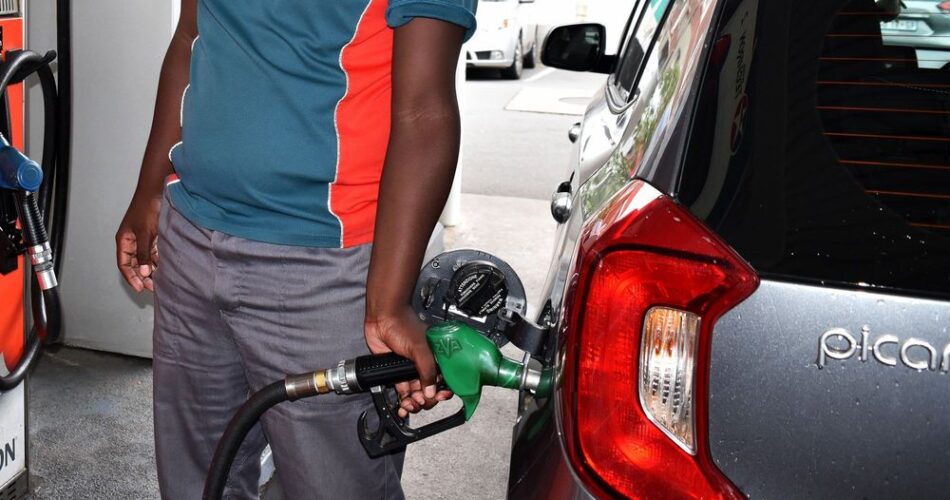
While the government has assured South Africans that there is no immediate threat fuel Shortages, it seems that price increases are inevitable after recent global energy market disruptions. Having already experienced a relatively modest increase in fuel prices in March, motorists have been warned to prepare for a significant price adjustment next month in April.
While oil price volatility is largely out of motorists' hands, drivers can still take practical steps to minimize the impact on their monthly budget.
Many people believe that saving fuel requires major lifestyle changes, but small adjustments to everyday driving habits can make a meaningful difference over time. With fuel prices under pressure, it is more important than ever for motorists to focus on efficient driving behavior that reduces consumption and keeps costs under control.
How much fuel can South Africans realistically save by changing common driving habits?
The actual amount of fuel that can be saved will depend on several factors. These include how much time a driver spends on the road, their current habits and how frequently they change their behaviour.
But it cannot be denied that simple habits such as slow acceleration, maintaining a steady speed and avoiding unnecessary idling can significantly improve fuel efficiency. Although each adjustment may seem minor, together they can meaningfully reduce the amount of fuel used by the vehicle over time.
What are the biggest fuel-wasting mistakes South African drivers make?
Many drivers unknowingly waste fuel through behaviors that seem harmless but increase consumption. One of the most common mistakes is aggressive driving. Rapid acceleration and harsh braking consume significantly more fuel than smooth or gradual driving.
Another common problem is unnecessary idling, such as leaving the engine running while waiting for someone or sitting in standstill traffic. Idling for long periods of time causes the vehicle to burn fuel without moving. If you know you will be stationary for more than a short while, turning off the engine can help reduce unnecessary fuel use.
Carrying excessive weight and unused roof rack in the vehicle can also increase fuel consumption.
Does shutting off the engine at traffic lights, using cruise control, or accelerating slowly really reduce fuel costs?
These technologies can actually contribute to lower fuel consumption when applied consistently. Gentle acceleration and predicting traffic flow can reduce the need for frequent braking and acceleration, helping to save fuel. Cruise control can also improve efficiency during highway driving by maintaining a constant speed.
Although turning off the engine during extended stops may help, drivers should use their discretion depending on the situation. If you know it's going to be a quick stop, this may not be necessary. Another consideration is security; Sometimes the safety risk of turning off your vehicle at a red light outweighs the potential to save fuel.
How can carpooling and avoiding peak traffic help?
Beyond driving techniques, planning can be a valuable cost-control strategy. Carpooling is one of the most effective ways to reduce transportation costs for families or coworkers. Using navigation apps to avoid heavy congestion or planning trips outside of rush hour can also reduce time spent in traffic.
The reality is that South Africans can't control the price of fuel, but by making these small, practical adjustments to everyday driving behaviour, drivers can reduce their consumption and relieve some of the pressure on their monthly budget.
* Sibeko is the Executive Head of Personal Lines at Miwe Insurance Limited.
personal Finance