
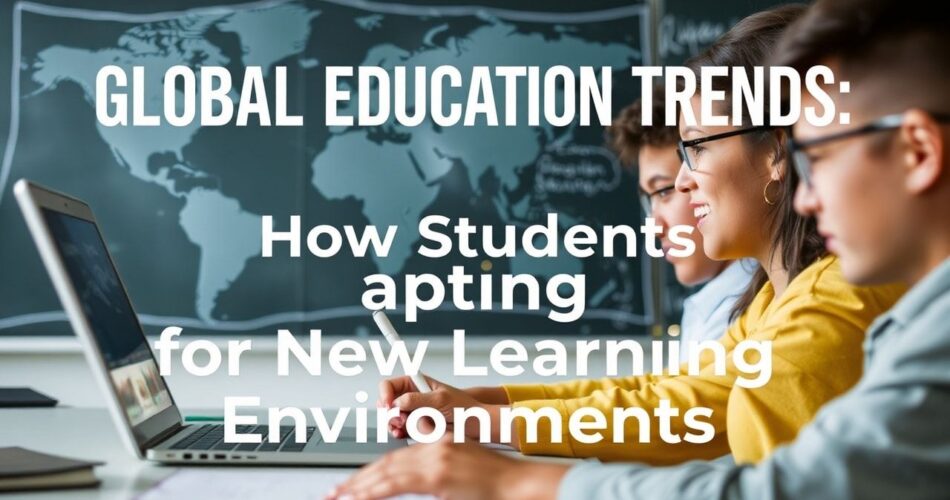
Shift towards digital learning
The global education landscape has undergone a significant transformation in recent years, largely driven by the need for digital adaptation. The COVID-19 pandemic accelerated this shift, forcing educational institutions around the world to adopt online learning platforms. This change is not without challenges, but it has also opened up new opportunities for students and teachers.
According to a recent UNESCO report, school closures at the peak of the pandemic affected more than 1.6 billion students in more than 190 countries. This unprecedented situation has led to a rapid shift towards digital learning, with many institutions struggling to provide online resources and virtual classrooms. The report highlights that although this transition was initially chaotic, it has since led to a more structured approach to digital education.
One of the most notable trends in this change is the increasing use of educational technology. Tools like Zoom, Google Classroom, and Microsoft Teams have become an integral part of the learning process. These platforms have enabled students to continue their education from the safety of their homes, ensuring that learning does not stop despite physical distancing measures. Additionally, the use of digital textbooks and online libraries has become more prevalent, giving students a wealth of information at their fingertips.
Challenges faced by students and teachers
Despite the benefits of digital learning, there are many challenges that students and teachers have had to overcome. One of the primary issues is the digital divide, which refers to the gap between those who have and those who do not have access to technology. In many developing countries, students lack the necessary devices and internet connectivity to participate in online learning, posing a significant barrier to education.
Another challenge is the lack of preparation among teachers for the sudden shift towards online teaching. Many teachers had to quickly adopt new technologies and teaching methods, often without any training. This has accelerated the learning process for both teachers and students as they deal with the complexities of virtual classes and online assessments.
Additionally, the psychological impact of prolonged isolation and lack of social contact has been a concern. Students have reported feeling isolated from their peers and teachers, which has led to increased stress and anxiety. This has highlighted the importance of mental health support in educational settings, with many institutions now offering counseling services and wellness programs to help students deal with the challenges of distance learning.
Innovative Solutions and Best Practices
In response to these challenges, educational institutions have developed innovative solutions to enhance the digital learning experience. One such solution is the use of adaptive learning platforms, which tailor educational content to the individual needs of students. These platforms use artificial intelligence to assess a student's progress and provide personalized learning paths, ensuring that every student receives the support they need to succeed.
Another best practice is the integration of collaboration tools that facilitate group work and peer interaction. Platforms such as Slack and Trello have been used to create virtual study groups, allowing students to collaborate on projects and share resources. This not only enhances the learning experience but also helps in creating a sense of community among students despite physical distance.
Furthermore, the importance of teacher training and professional development cannot be underestimated. Many institutions have invested in training programs to help teachers become more proficient in using digital tools and implementing effective online teaching strategies. This has not only improved the quality of education but also increased teachers' confidence and job satisfaction.
Role of educational resources
In addition to technological solutions, the availability of high-quality educational resources has played an important role in supporting students during the transition to digital learning. Websites such as Khan Academy and Coursera provide free access to a wide range of courses and study materials, helping students complete their education and prepare for exams. For those looking for resources like comprehensive study guides, Best Books for Exam Preparation Can be invaluable. These resources provide structured content and practice questions, making them an essential tool for students aiming to excel in their studies.
The use of open educational resources (OER) has also increased. OERs are freely accessible, openly licensed materials that can be used, adapted, and shared by anyone. This has democratized access to education, allowing students from all backgrounds to benefit from high-quality learning materials. The Open Education Global organization has been at the forefront of promoting OER, working with teachers and institutions to create and share these resources.
Furthermore, the role of libraries in providing digital access to books and research materials cannot be ignored. Many libraries have expanded their online collections, offering e-books, journals, and databases that students can access remotely. This has been particularly beneficial for students in remote areas who may not have access to physical libraries.
future of education
As the world adapts to the new normal, the future of education is increasingly becoming digital. Lessons learned from the pandemic have highlighted the importance of flexibility and innovation in educational practices. Institutions are now exploring hybrid models of learning, combining online and in-person instruction to provide a more comprehensive educational experience.
Additionally, there is a growing emphasis on lifelong learning and continuing professional development. The rapid pace of technological change means that individuals must constantly update their skills and knowledge to remain relevant in the job market. Online learning platforms and micro-credentials are becoming increasingly popular, providing flexible and accessible ways for individuals to enhance their skills.
The future of education also holds promise for the use of emerging technologies such as virtual reality (VR) and augmented reality (AR). These technologies have the potential to create immersive learning experiences, allowing students to explore virtual environments and interact with 3D models. This can be especially beneficial in fields such as medicine, engineering, and architecture, where practical experience is important.
In conclusion, the shift to digital learning has presented both challenges and opportunities for students and teachers. Although this change has been challenging, it has also highlighted the importance of innovation and adaptability in education. By leveraging technology and high-quality educational resources, institutions can create more inclusive and effective learning environments for all students.