

The rise of AI is putting new pressures on infrastructure as organizations rethink how they store, manage, protect and use data. Against this backdrop, Huawei's annual IT Day focused on the growing need for intelligent storage and computing.
More than 400 customers and partners attended the event, at which Huawei showcased its latest AI data infrastructure, all-flash storage and virtualization. The conversation focused on the growing need for closer collaboration as businesses face cyber threats and the demands of AI.
Cui Zheng, CEO of Huawei Enterprise Business Group in South Africa, said this year's IT Day is built around a key question: how do organizations navigate the future of data storage and unlock the true value of data in the AI age?
This question is particularly relevant in South Africa, where digital transformation is already driving infrastructure upgrades.
Cui described South Africa as a major player in the global economy and a leader in innovation. “From government to transport, finance and energy, we have seen South African organizations take the lead in upgrading ICT infrastructure, accelerating digital transformation and improving lives.”
He outlined the four main areas Huawei plans to focus on:
- Data security to help keep businesses running during cyber threats or infrastructure failure,
- Data center virtualization to improve performance while reducing overhead,
- AI computing to unlock new insights and efficiencies,
- Smart office tools to support more connected collaboration.
Building AI-ready infrastructure
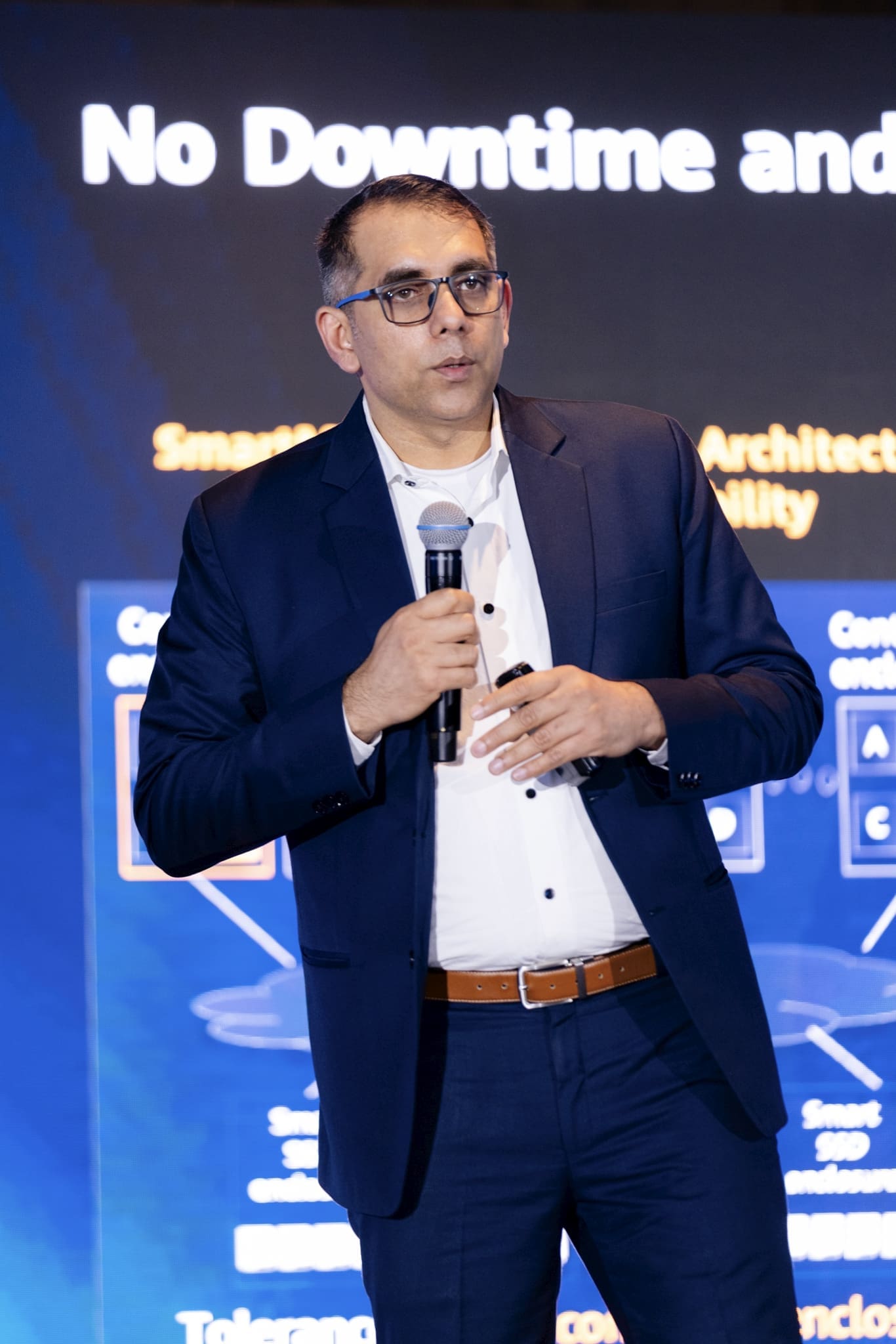
He said the new-gen OceanStor Dorado is designed to meet those demands by improving performance, supporting SAN, NAS and S3 in one system, and strengthening the security needed for critical enterprise environments.
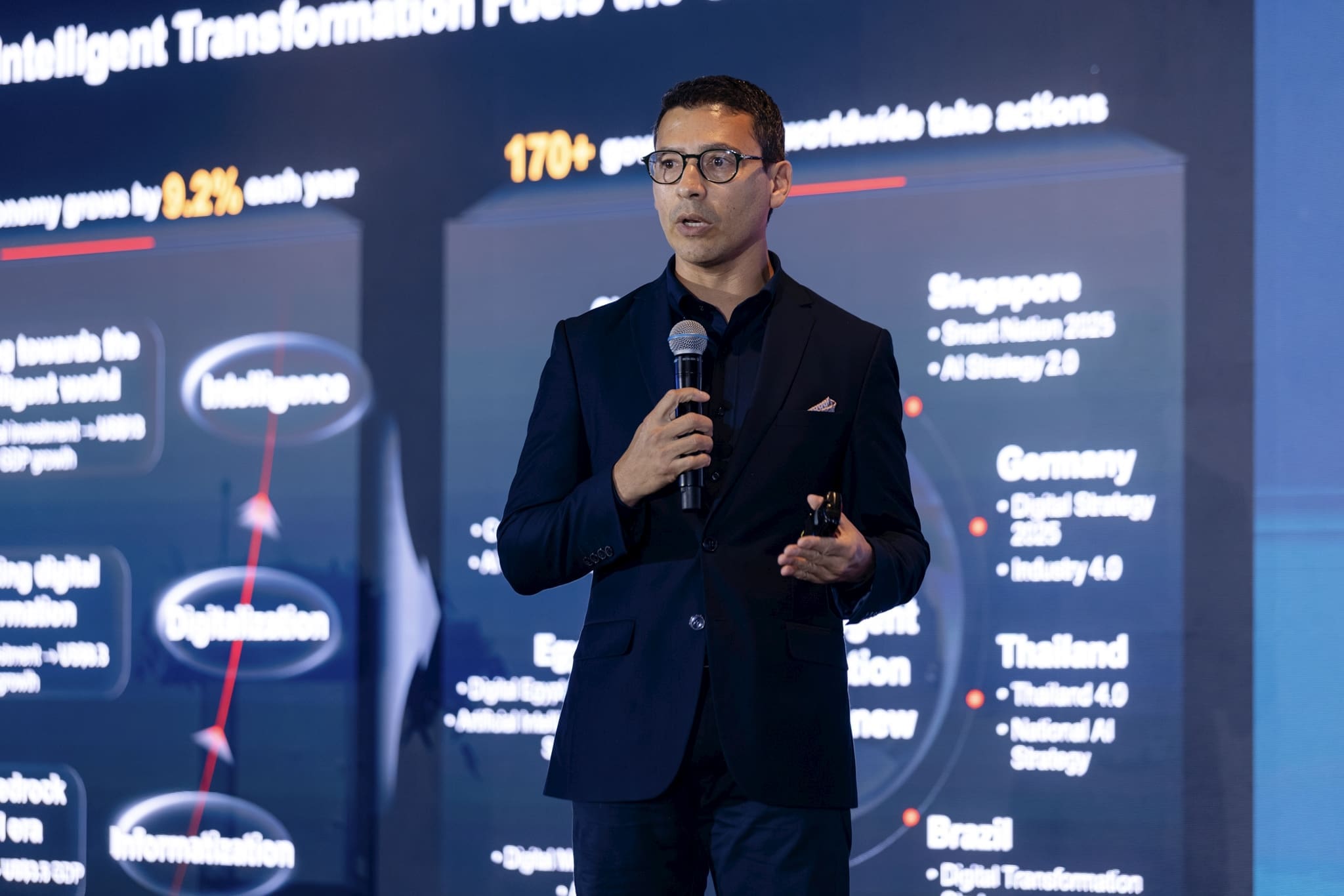
Clinton George, solution architect of Huawei Enterprise Data Center Solutions Department, said Huawei's answer to modern data center demands is DCS, which he described as a full stack data center virtualization solution.
“More than just a hypervisor, DCS offers easy deployment, integrated management, AI, a big data platform and optimized compute-network-storage collaboration – providing performance, resiliency, ransomware protection, backup and a migration tool that has helped more than 1,200 customers over the past two years,” he said.
Huawei also highlighted its Atlas AI computing portfolio, with Alan Ye, director of Huawei Southern Africa Computing Marketing and Solutions Department, focusing on the growing demands on infrastructure arising from enterprise AI adoption.
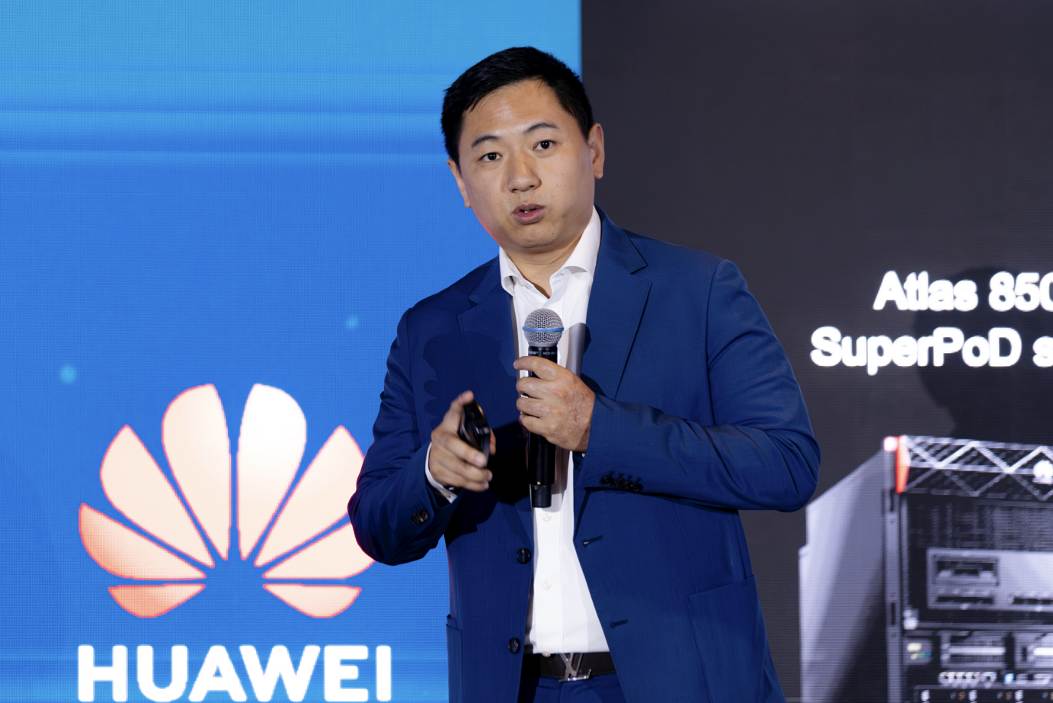
He said the rise of AI-native applications and the token economy is driving demand for more computing power. According to Ye, demand is expected to grow faster than training over the next five years, rising this year and reaching 4.5 times last year's level by 2030.
Huawei demonstrated scenario-based AI practices currently applied in public services, finance and electric power industries, and showed how AI can create value based on specific scenarios. AI is used to improve operational efficiency and public satisfaction.
Huawei also demonstrated the Atlas 850E and 950 SuperPOD, next-generation AI computing architectures for large AI workloads. It can scale up to 8,192 NPUs and support trillion-parameter model training, while its interconnection and UnifiedBus technology helps reduce the bandwidth, latency, and bottleneck problems that often come with traditional clusters.
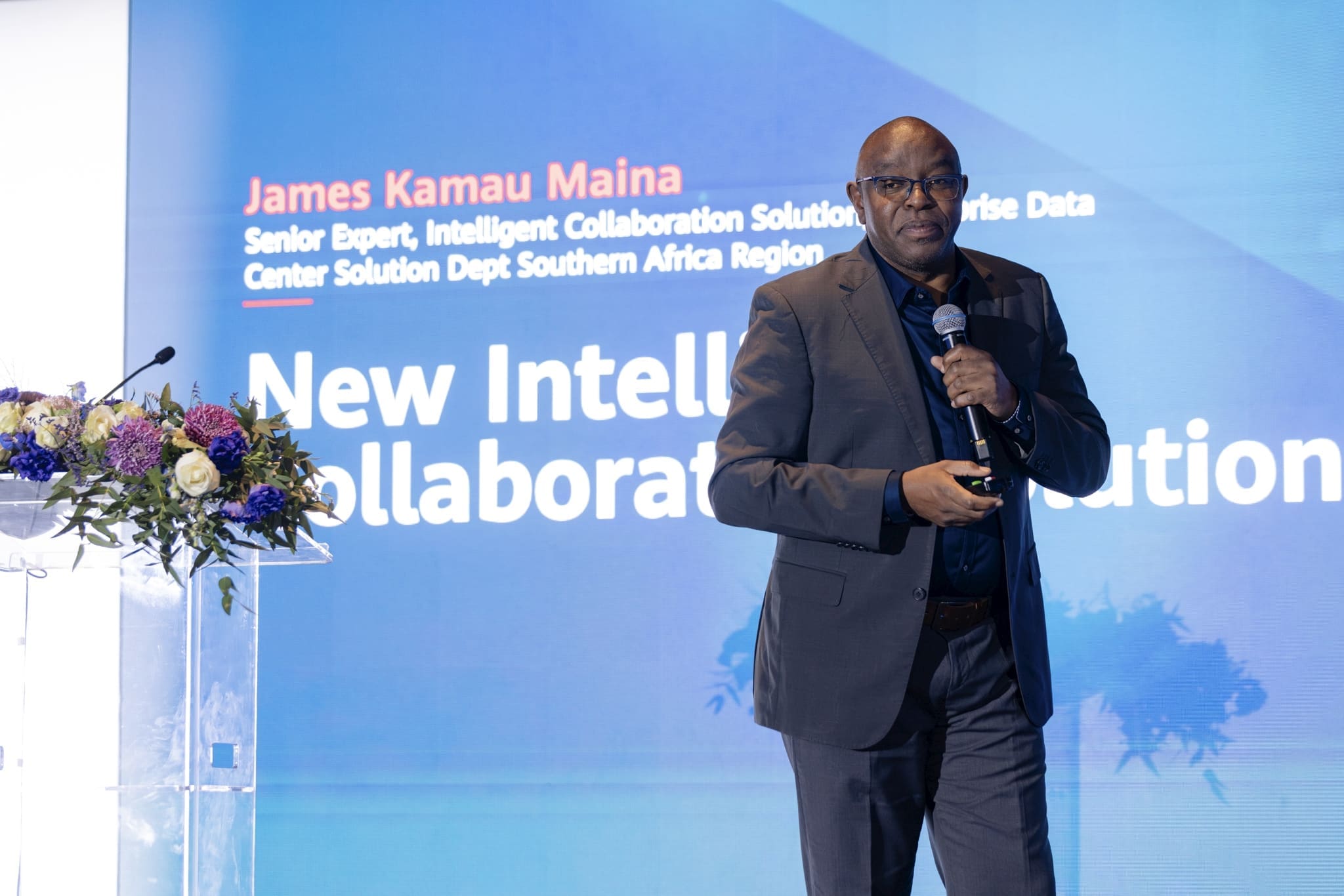
James Kamau Maina, Huawei's intelligent collaboration solutions architect, introduced IdeaHub as the workhorse of the modern meeting room and an important part of the company's AI classroom push. Maina said larger deployments can be managed through IdeaManager, which handles large-scale configuration and diagnostics.
IdeaHub supports wireless projection without the need for devices to be on the same network. Up to 40 devices can be connected at once and nine can be projected simultaneously. It also includes eye protection features.
real world application
The event featured customer and partner success stories showcasing how organizations are already using Huawei technologies in real-world environments to modernize operations.
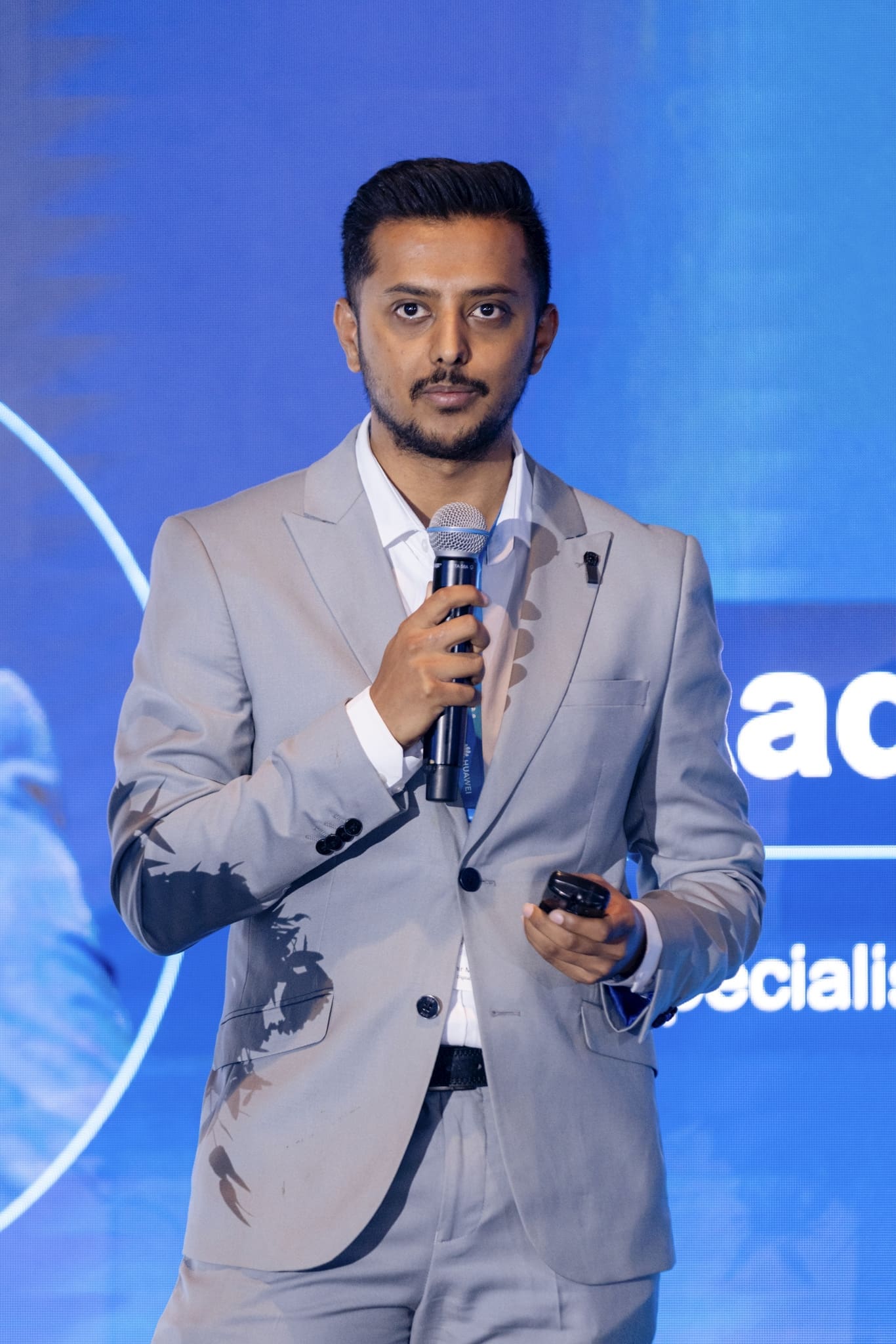
Adhir Maharaj, solution sales data center specialist at Altron Digital Business, said the partnership between Altron and Huawei is focused on helping South African businesses build strong technology infrastructure. The partnership, which now spans 14 years, is supported by 91 Huawei engineers across South Africa and has provided more than R5 billion in project value.
According to Maharaj, such a footprint matters at a time when businesses are under increasing pressure to convert AI ambitions into real operational value.
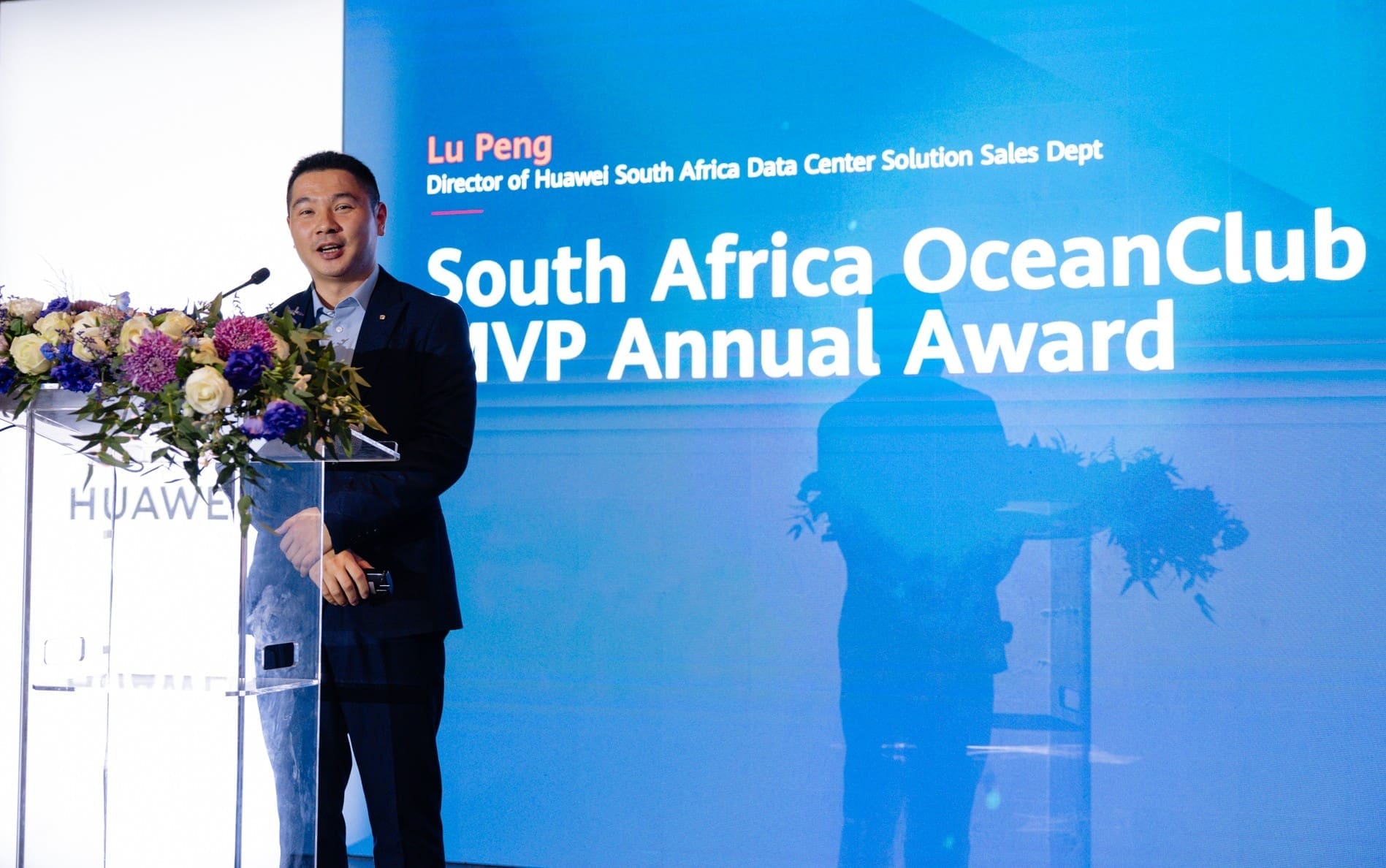
Lu Peng, Director of Huawei South Africa Data Center Solution Sales Department, started OceanClub, a global non-profit technology community focused on data storage exchange and collaborative problem-solving.
The program culminated with the 2026 OceanClub MVP Awards, which recognized South African professionals for their contributions to data infrastructure, innovation and knowledge sharing. Local honorees were Adhir Maharaj, Michael Khutlen, Laure Le Roux and Gareth Smith.
Looking ahead, Huawei will continue its work in the data center sector, working closely with customers and partners to support South Africa's digital transformation.