

read in 5 minutes
Anti-migrant protests in South Africa began to turn violent as many foreign nationals without legal status left the country and feared for their lives.
According to local reports, many businesses owned by foreign nationals have closed, and even children of many nationalities are afraid to go to school as many of them face bullying from their peers.
Peter Odike, a Nigerian-South African who has lived in South Africa for more than 20 years, told the BBC that his children are facing bullying from locals at school because of ongoing xenophobic attacks against foreigners.
“So, I'm afraid, I have three children, and I bully them about school. Neither do I get any rest for them.”
Peter, who has lived in South Africa since 2006, says that many immigrants, including my family members, fear for their lives.
The father of three, married to a South African woman, runs a small shop selling shoes in Johannesburg. He says businesses owned by foreigners do not close because of the attacks.
Peter Tok says that despite getting legal documents, the police harass South African immigrants every day.
Peter said, “The business is over, it's not safe to stay here.”
Peter says: “The police harass Pipo every day, even if you have no problems, get documents. Once you don't look like a South African there are no problems for you.”
“Some Pipo, even when you show them the papers they ask you, 'Why are you here?' You have to go back.”
Anti-immigration protests continue in Durban
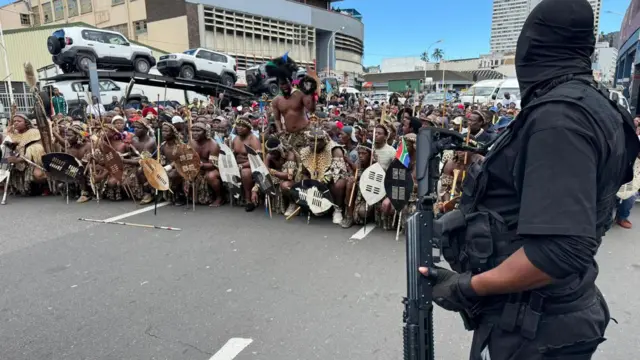
Thousands of South Africans marched through the streets of Durban wearing various traditional costumes and carrying placards and sticks, singing and chanting slogans demanding strict action against illegal immigrants.
As the protests continue, many citizens are taking to Mahatma Gandhi Road, the majority of whom are foreign nationals living in South Africa.
Protestors alleging that undocumented foreign nationals are living in some area of South Africa and selling illegal drugs to young South Africans are the main motives behind the Dia movement.
Meanwhile, President Cyril Ramaphosa told South Africans not to let hatred towards “fellow Africans” grow.
African protests react to xenophobic attacks on South Africa

Where did this photo come from? Bianca Odumegwu-Ojukwu/x
The Nigerian, Ghanaian and Kenyan governments ask Indian citizens living in South Africa to remain vigilant and stay safe from the crackdown against foreign black immigrants.
On Monday, the Nigerian government called for an investigation into the deaths of two Nigerians killed in South Africa and the prosecution of Dia's killers.
The government announced the deaths of Kelvin Chidiabere Amaramuiro and Ekpenyong Andrew for South Africa as a result of the ongoing crackdown on illegal immigrants in the country.
The Nigerian government has demanded autopsies and a thorough investigation of the deceased and has asked that the South African government make the investigation of the case accessible to the families of the deceased.
For April, the Ghanaian government summoned Thando Dalamba, Acting High Commissioner to South Africa, to express formal concern over recent “xenophobic incidents” against Ghanaians.
On Tuesday 5 May, the Ghanian government transferred Emmanuel Akowua Asamoah after he appeared in a viral video showing how some anti-foreigner propagandists are harassing him because I am working in a shop.
Ghana's Foreign Minister Samuel Okudzeto Ablakwa told Ghanaians who wish to relocate to Ghana from South Africa that they need to contact the High Commission and the government will assist them to return to the country.
Lesotho's High Commissioner to Pretoria has also advised Indian nationals living in Basotho, South Africa, to be very cautious due to protests targeting foreign nationals in some areas of the country.
The Government of Lesotho has urged Indian citizens to avoid protest sites and limit non-essential travel during the period of high tension.