

i write this Not in anger, but in sadness. And with the weight of 30 years spent in the markets that made South Africa extraordinary.
I spent that time at some of the largest investment banks in the world – Merrill Lynch, Credit Suisse and Macquarie – and over those years I have seen capital markets work at their best and at their worst. I know what a healthy market looks like. I know what a dying person looks like.
- I was there for the technology boom of the 1990s, when the JSE briefly became a destination for global capital and South African tech businesses dared to imagine themselves world-class.
- I witnessed the rise of the South African property sector during the 2000s, as listed vehicles opened up a new asset class and brought a generation of investors into the market.
- I was present for the commodity super-cycle driven by Chinese industrialization – the years when South Africa's resource endowment seemed capable of financing the entire national future.
Throughout every cycle of this country's turbulent history I believe that South Africa's financial architecture was one of its great unexplored strengths.
So, now let me ask clearly and on the record: What have we done with it?
We have made a series of decisions – without adequate analysis, without modeling the consequences, without considering what is being destroyed. And we are living with the consequences: the domestic capital market is in an advanced stage of disintegration.
JSE in name only
Let's start with something that deserves to be stated clearly. The JSE Top 40 – the index that most South Africans associate with home investing – is, by and large, not a South African index. More than 80% of the revenues generated by companies within it are generated outside this country.
Naspers, Glencore, Richemont, British American Tobacco, Anglo American – these are global enterprises that are domiciled or listed in Johannesburg. Their growth, their capital allocation, their fortunes are determined in London, Geneva, Shanghai and New York.
This is not a criticism of those companies. This is an overview of what our primary index actually measures. And this is not the health of the South African economy.
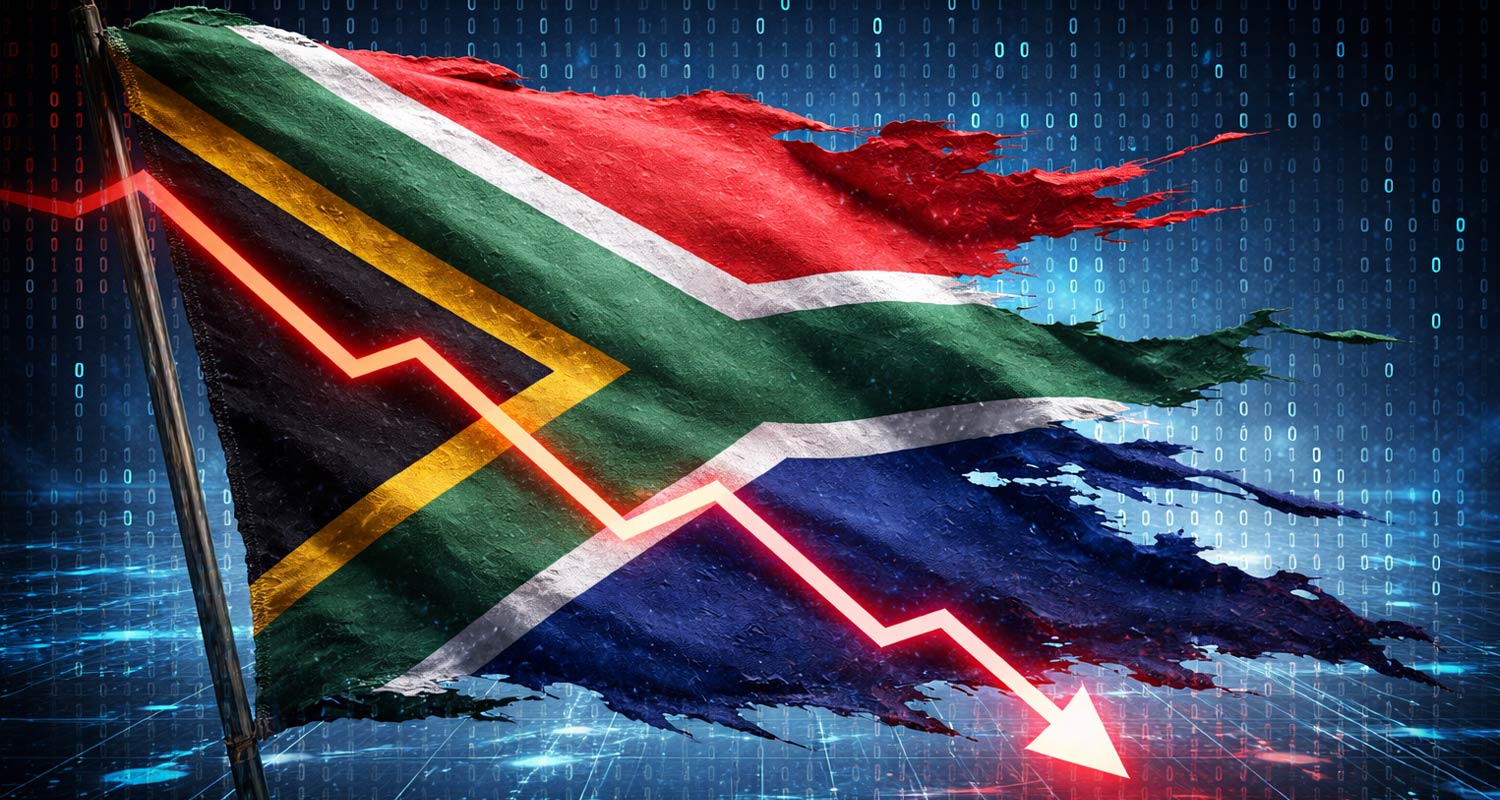
When our superannuation funds, our unit trusts, our institutional investors put capital into the JSE Top 40, they are largely gaining offshore economic exposure through local wrappers. Domestic capital markets have become a mechanism for exporting capital, rather than deploying it at home.
Delisting is a crisis – a slow hemorrhage that has received far less attention than it should. There were more than 800 JSE-listed companies in the 1990s. Today there are only about 280 JSE-listed companies.
More than half the companies that once made up South Africa's public markets are gone. Some were acquired. Some failed. But a significant and growing number were delisted because the JSE could no longer offer them what a capital market seeks to provide: fair valuations, adequate liquidity and meaningful access to growth capital.
When valuations are compressed and institutional demand is low, the costs of listing – compliance, disclosure, shareholder management – become impossible to justify. So the companies leave. And when they leave, they take with them the transparency of public reporting, the accountability that the position demands and the investment opportunities that ordinary South Africans could otherwise access in retirement funds.
Companies considering listing look at this scenario and draw clear conclusions. They are listed in London. They are listed in Amsterdam. They are listed in New York. And South Africa's next generation of great businesses is built somewhere else for someone else's profit.
What broke?
In February 2022, the offshore allocation limit for South African superannuation funds was increased from 30% to 45% under Regulation 28 of the Pension Funds Act. At the time, domestic retirement funds held R1.6-trillion in offshore assets – already at the 30% limit. The new limit created both a mandate and an incentive to move an additional R800-billion out of South Africa.
The consequences were not hard to predict, and they came: reduced demand for JSE equities, a weaker rand, less appetite for South African government bonds and a further decline in South Africa's weighting in the MSCI Emerging Markets Index – already below 3%.
Reading: SpaceX's record-setting IPO is here
Seeing this, foreign investors drew their own conclusions. Over the past decade he has withdrawn more than US$2.5 billion from South African bonds and equities – US$1.25 billion in bonds, US$1.4 billion in equities.
The question that must be faced head on is this: if South Africans are not investing in South Africa, why should the world?
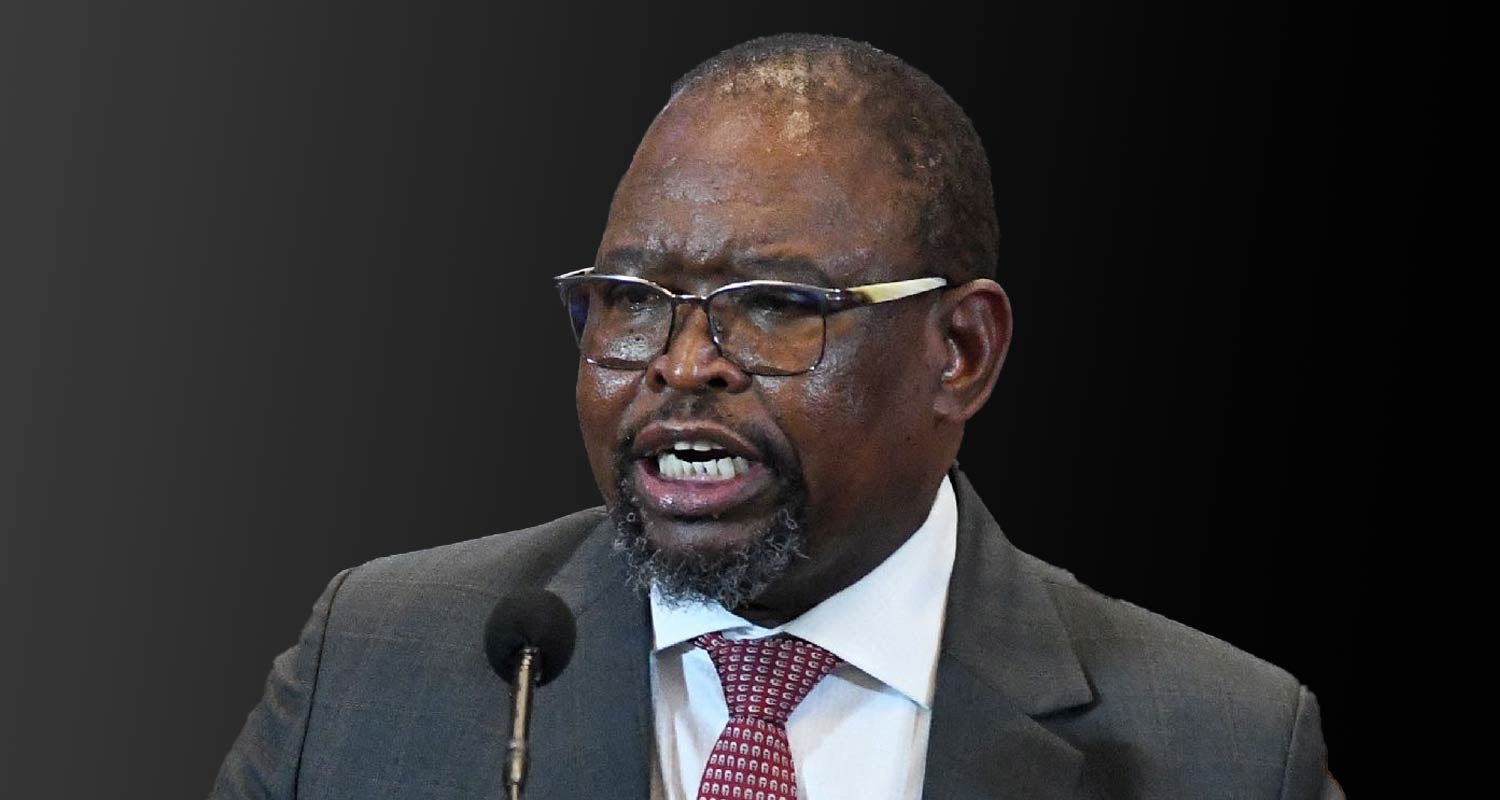
Finance Minister Enoch Godongwana has since publicly admitted that National Treasury had made a serious mistake. That confession matters. But acceptance without change is not a policy – it changes nothing. Another structural problem adds to the damage. Inward listings – foreign-domiciled companies listed on the JSE – are currently excluded from the offshore allocation calculation. This means that a retirement fund manager can effectively maintain full offshore economic exposure while remaining technically compliant with domestic regulations. The rules are in place. Their purpose has been sidelined.
the compact we have broken
The tax incentives built into South Africa's retirement savings framework – contribution deductions, tax-free compounding, exemptions on fund income – were not given arbitrarily. They reflect a social contract: the state gives up revenues today in exchange for capital that remains productively deployed within the economy providing benefits.
When 45% of that capital is allowed to leave South Africa permanently, the second part of the agreement is cancelled. Taxpayer subsidies flow offshore. The infrastructure deficit has deepened. Companies that might have been funded went elsewhere. And the retirement saver – living with a weakening currency, deteriorating public services and a country bereft of productive investment – pays the price without telling.
what should be done
The scope for action is decreasing. These are not irreversible trends, but they are becoming so. Offshore allocation should be returned to 30%. Inward inventory should be counted within that allocation and not allowed to be bypassed. New flows should immediately be subject to the revised limits. Existing portfolios should be given 18 months to comply – a timeline that is entirely achievable.
As a related measure, the earmarked asset debate should be suspended: by expanding the domestic capital pool through this reversal, we achieve the objective of directing investment towards South Africa without coercive mechanisms that undermine fund manager discretion and accountability.
None of them are radicals. This is a restoration of what worked.

I am not writing this as someone who has given up on South Africa. I write this as someone who has seen this market through three of its most consequential chapters – the tech boom, the asset boom and the commodity super-cycle – and who has sat on both sides of the transactions, in Johannesburg and in the global banking centers that decide where capital will flow.
During those years, the JSE was a real source of national pride. It worked. It financed. It gave ordinary South Africans a stake in the country's development. It can do this again. But that's not the case if we continue to turn a blind eye to what's happening. This is my effort to ensure that we don't do that.