

Samsung celebrates Youth Month for 2026 by reaffirming its commitment to investing in empowerment initiatives specifically designed for youth in South Africa and beyond. Through the company's transformation efforts, the company is actively promoting the transfer of critical skills that assist in creating essential employment and entrepreneurial opportunities for the country's youth and the local economy.
Samsung has shown real and measurable impact in the lives of youth from disadvantaged communities through its Corporate Social Responsibility (CSR) initiatives and an Equity Equivalent Investment Program (EEIP) worth R280m, launched in 2019 in collaboration with the Department of Trade, Industry and Competition (DTIC). Since the dawn of democracy, when the brand entered the African continent through the establishment of a South African office, the company has ensured that there is sustainable investment in youth-focused education initiatives that demonstrate real impact.
The company is well aware of the fact that the youth of the country are the future leaders. And while the future may be full of uncertainties, education remains the foundation that allows young people to realize their full potential and prepare themselves to move forward. For example, Samsung's education-focused, CSR programs strive to foster innovation and empower youth through technology with the ultimate aim of addressing social issues.
These CSR programs which focus on science, technology, engineering and mathematics (STEM) education, Fourth Industrial Revolution (4IR) skill development, youth entrepreneurship as well as environmental sustainability seek to promote innovation and youth empowerment through technology. Ultimately, the company aims to contribute to employment generation and economic growth of the country.
Samsung EEIP and B-BBEE Manager Nicky Beukes said: “As Samsung, our continued investment in education-focused and technology-driven initiatives aims to tackle youth unemployment and promote local entrepreneurship. We are therefore dedicated to our goal of investing in programs that contribute to skills development, education, job creation and entrepreneurship opportunities for South African youth.
“This is a clear reflection of our commitment towards long-term, sustainable development among the youth of the country. As a company, we will continue to use education and technology as tools to drive positive change among the youth as well as their underprivileged communities.”
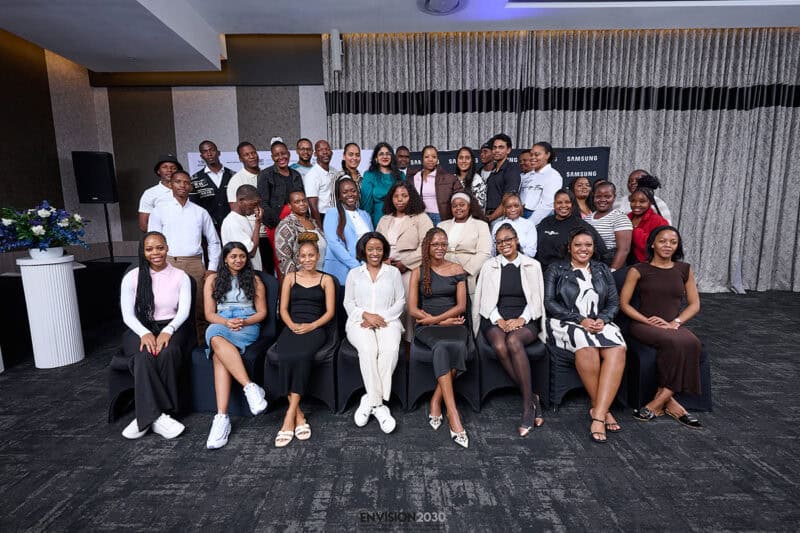
Samsung understands the importance of education and for this reason, the company is equipping the youth of the country with vital skills through the following initiatives:
- Samsung Innovation Campus (sic) – Through this program, The company has successfully partnered with various universities in the country for this purposeProviding each coding and programming, software development and artificial intelligence (AI) skills to youth from previously disadvantaged communities. These institutions include Durban University of Technology (DUT), Nelson Mandela University (NMU), Walter Sisulu University (WSU) and Central University of Technology (CUT). Samsung has also expanded this SIC program to other African countries such as Kenya.
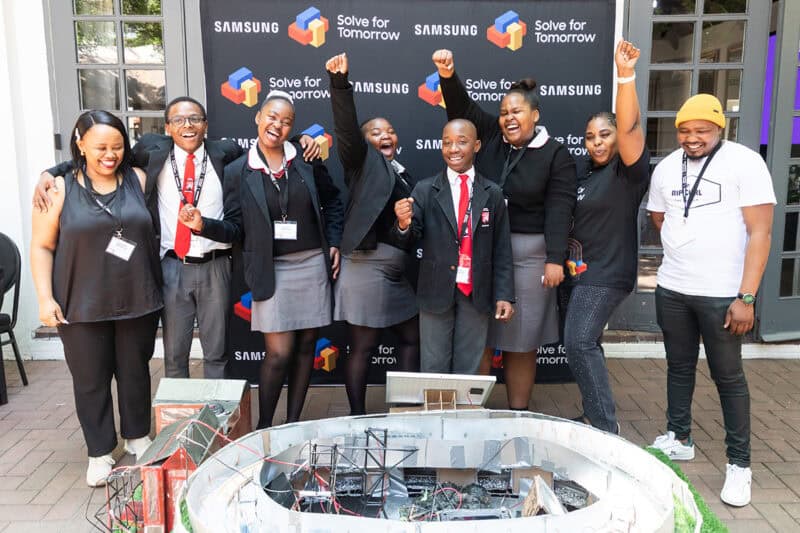
- First launched in SA in 2023 Samsung Solve for Tomorrow (SFT) Contest is a global, STEM-based educational program that engages Grade 10 and 11 public school learners from disadvantaged schools, and challenges them to use STEM to address local community issues.
- The theme of this year's SFT competition is: “Social change through sports and technology”; And “Environmental Sustainability through Technology”. The competition is encouraging innovative thinking and problem solving for Gen Z to create sustainable solutions through STEM. Importantly, this year marks a major change to the SFT competition as it is now opened to all public schools including Quintile 5, making it more inclusive and nationally representative; Also allows learners to acquire invaluable skills.
The company's transformation objectives, driven through CSR initiatives and the ten-year plan of the Samsung EEIP programme, aim to address key developmental aspects linked to the National Development Plan and the overall transformation of the South African economy. In short, this means that Samsung's efforts are in direct line with national education priorities when it comes to job creation, digital literacy and economic inclusion.
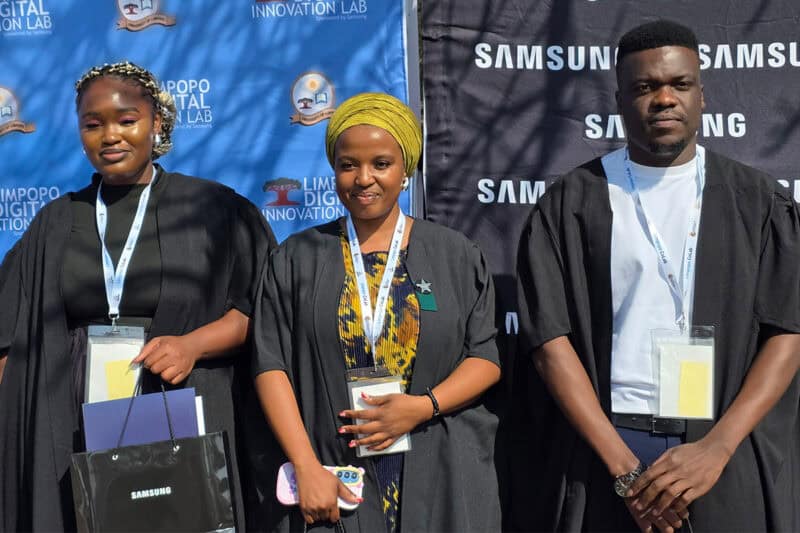
Samsung firmly believes that its efforts through EEIP and other programs are essential to creating a more inclusive and equitable business environment. For example, the EEIP program seeks to bridge the digital divide, foster ICT innovation, and empower future leaders – ultimately reducing youth unemployment and promoting sustainable economic growth across the country. And, in addition to Samsung's EEIP agreement with DTIC, some youth-based developmental areas of investment include:
- Software Development Training Program with Underserved UniversitiesWhere Samsung successfully trained 510 unemployed youth As software developers. And among the beneficiaries from the introduction of the Software Development and Social Digital Innovation Program at the University of the Western Cape (UWC) and the University of Limpopo (UL), more than 90% Successfully placed in tech industry jobs. In addition, Samsung, Tshimolong and UWC Advanced Industry Experience Internships achieved almost 100% industry uptake rate; Launching graduates straight into roles at major software companies.
- Technician training in deprived provinces – Training provided by Samsung in partnership with Ocule IT 162 artisan In an effort to address the severe shortage of consumer electronic repair technicians – in Kwa-Zulu Natal, the Eastern Cape as well as Gauteng. Currently, an additional 40 unemployed youth have been enrolled for the 2026 program and another 40 are planned for next year's intake.
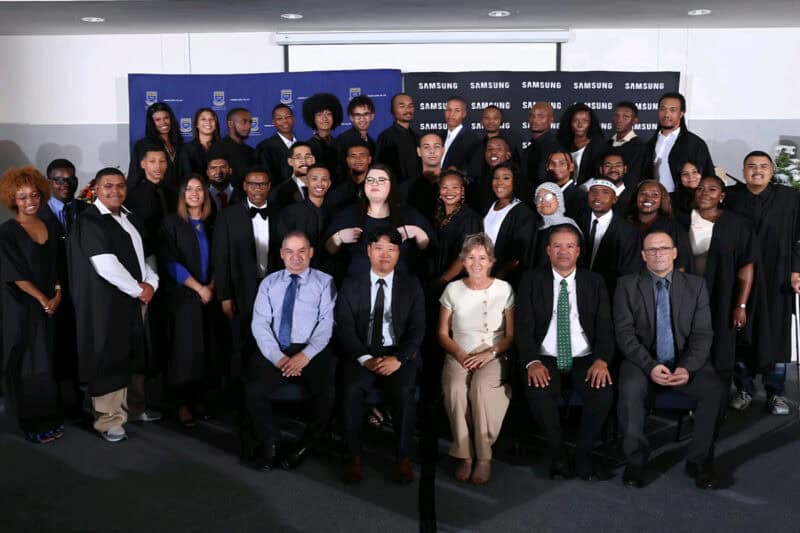
Beukes further elaborated and said: “The implementation of these Samsung EEIP initiatives delivers tangible results in the areas of job creation, business growth, women's empowerment and technical skills. Overall, Samsung is of the view that these EEIP projects have a high rate of investment and measurable impact on the South African economy.”
Samsung also believes that through its strategic public, private partnerships (PPP) with various institutions of higher education, government, non-governmental organizations (NGOs) and the private sector – its CSR and EEIP programs have successfully managed to make a tangible impact in the lives of the youth in the country.

“As at Samsung, we are confident that our transformation efforts are capable of empowering the country's future innovators to achieve their full potential. Furthermore, these impactful initiatives have managed to ensure that South Africa's youth will become the next generation of leaders who will continue to lead positive social change and build a better world for all,” Beaux concluded.
At Caxton, we employ humans to generate daily breaking news, not AI intervention. Enjoyed reading!