
- The Cape Chamber of Commerce and Industry says some shipments from Cape Town to the Middle East have been put on hold indefinitely.
- Fruit body Hortgro says 675,000 cartons of stone fruit and 900,000 cartons of apples and pears are already at sea.
The Middle East conflict is hitting South African farmers and exporters hard.
The Cape Chamber of Commerce and Industry says some shipments from or through Cape Town to the Middle East have been halted until further notice.
Chamber president Jacques Moolman says Cape diversions have increased by 112% since the beginning of March, adding 10 to 14 days to shipping times and increasing fuel and insurance costs. day trading Informed.
Keep up with the latest headlines WhatsApp | Linkedin
Shipping lines Maersk and Hapag-Lloyd have rerouted ships around the Cape of Good Hope. On Wednesday, a major international shipping line asked Cape Town agents to unpack pre-packed containers for export at the Cape Town Container Terminal.
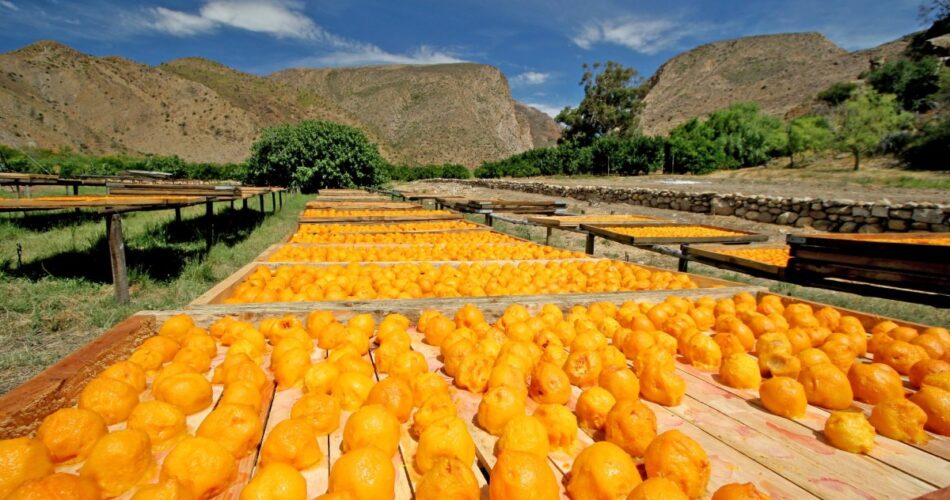
Fruit industry body Hortgro says the large-scale disruption has hit exports of apples, pears and stone fruits. The Middle East takes about 21% of South Africa's pear exports, 12% of apples, 60% of apricots, 34% of peaches, 12% of nectarines and 17% of plums.
Jacques du Preez, general manager of Hortgro trade and markets, says the sea contains 675,000 cartons of stone fruit and 900,000 cartons of apples and pears. He says there is already an oversupply in alternative markets, which is driving prices down.
Terry Gale, chairman of Exporters Western Cape, says the UAE is a major growth market for Western Cape fruit.
“The immediate challenge now facing exporters is what happens to the containers that are already in the water or going to these markets,” Gayle said.
The South African table grape industry says its sector will feel the impact but less severely. Chief executive Messiah Peterson says only 4% of table grape production in the 2024/25 season went to Middle East markets.
“This will have cost implications, with the potential for additional surcharges by shipping lines and loss of income from shipments that are unable to reach intended markets,” Peterson said.