
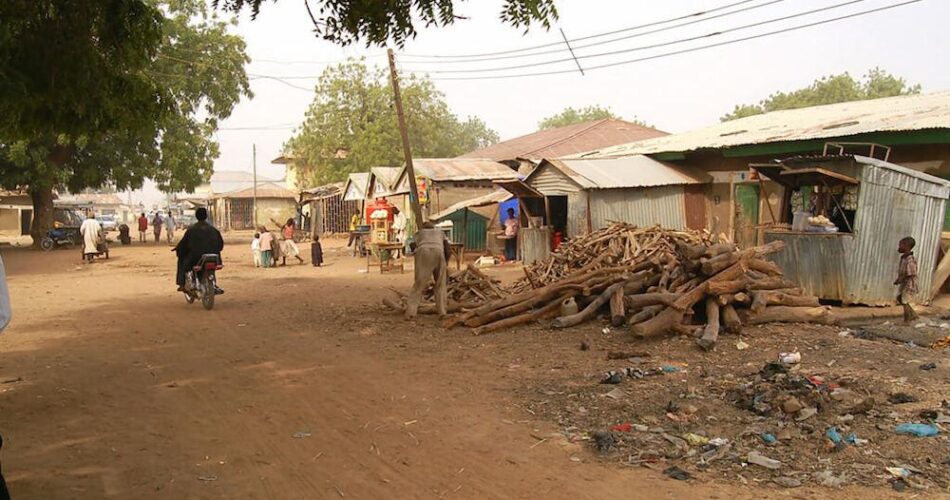
Inspired Evolution has launched a $176 million investment vehicle aimed at bringing electricity to millions of people in sub-Saharan Africa, comprised of the International Finance Corporation, the African Development Bank and a group of other development lenders and philanthropists that is betting that patient equity can open the financing gap that has stymied rural electrification for years.
The vehicle, called Zafiri, was unveiled at the Africa Energy Forum and will direct capital towards distributed renewable energy companies, mini-grids, solar home systems, producer-use power enterprises and clean-cooking businesses that serve homes and businesses beyond the reach of the national grid. Inspired Evolution, a climate-focused investment firm operating across the continent, was named investment manager.
At least half of Zafiri's capital is earmarked for mini-grids, solar home systems and clean cooking, areas expected to deliver massive new electricity connections in Africa by the end of the decade. The firm said it expects to close the fund on $300 million within a year, with an ultimate goal of $1 billion.
Founding investors beyond the IFC and AfDB, which contributed through its Sustainable Energy Fund for Africa, include the Rockefeller Foundation, the Trade and Development Bank Group, the Nordic Development Fund, the John D. and Catherine T. MacArthur Foundation, and South Africa's FirstRand Limited, the group's only commercial bank.
The fund is being positioned as a cornerstone of Mission 300, the World Bank and African Development Bank's effort to connect 300 million Africans to electricity by 2030, a goal that energy economists have questioned given how often continent-wide electrification pledges have missed their targets, often because private capital shy away from funding small, dispersed projects with uncertain returns.
Off-grid and mini-grid developers have long found it easier to raise debt than equity. Trade and Development Bank Group president Adamasu Tadesse said the sector's growth has been hindered more by a lack of borrowing capacity than a lack of risk-taking capital, calling Zafiri essential to boosting the equity base that distributed energy and clean-cooking companies need to grow.
Ethiopis Tafara, IFC vice president for Africa, said the fund could expand clean-energy access to more than 30 million people as the scope of businesses it supports expands. African Development Bank Vice-President for Electricity and Green Development Kevin Kariuki said distributed systems are projected to account for at least half of new electricity connections across the continent by 2030, calling the launch of the Fund timely against this backdrop.
The Rockefeller Foundation, which has directed catalytic grants for African energy access for years, has framed its involvement as an effort to de-risk a market that traditional investors have largely avoided. Ghita Benbaderazi, the foundation's managing director of innovative finance, said the goal is to mobilize long-term investment in a sector that is still considered underfinanced.
For FirstRand, the only bank among the founding shareholders, the deal expands its strategy of pairing with development institutions on continental infrastructure. Chief Executive Officer Mary Vilakazi said the bank was proud to be the sole commercial lender among the consortium's founding investors.
Receive newsletter updates
Enjoying our column?
Subscribe to our exclusive **Renewable Energy** feed to get the latest reports and analysis straight to your inbox.

