
The rand is not moving much. Sitting at 18.75 against the US dollar on Thursday, the South African currency remained steady in early trading as investors basically parked themselves on the sidelines and waited.
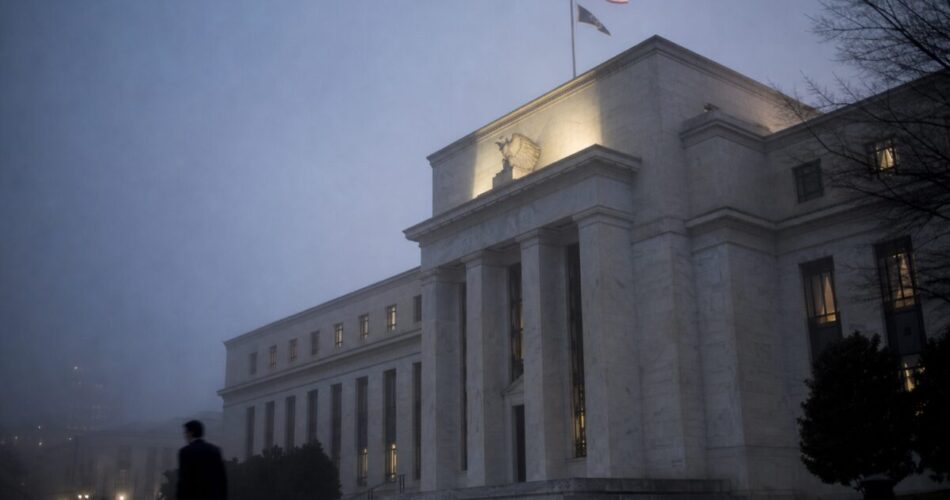
What They're Waiting For: Minutes of the Federal Reserve Meeting. That single document expected at the end of the day has largely stabilized sentiment in emerging markets. No one wants to take a big step before seeing what's inside.
Fade minutes move the mood
Fed minutes matter a lot to currencies like the rand – perhaps more than to most people outside the financial markets. When the US central bank changes its stance on interest rates, capital flows rapidly. Tighter policy in Washington means higher returns on dollar assets, and it quickly draws money out of emerging markets. Rand, already struggling with a delicate domestic background, is particularly facing that kind of pressure.
Traders want to know whether Fed policymakers were taking a more aggressive stance on raising rates during their last meeting. Any hint of this within minutes could send the rand into a tailspin very quickly. Conversely, a softer tone can give the pose some breathing room. But right now, no one knows, and that uncertainty is keeping the market in a holding pattern.
Of course, it's not just Rand. As the Fed's expectations change, emerging market currencies tend to move roughly in sync. The South African currency has extra weight on its shoulders at the moment because of what's happening at home.
Power cuts and sluggish growth maintain pressure
South Africa's electricity crisis is not going away. Frequent power outages – known locally as load shedding – are impacting industrial output and denting business confidence. Factories cannot run full shifts. Investors get nervous. And the rand absorbs the hit.
This is a grinding problem. Energy shortages not only impact productivity in the short term – they also impact a country's long-term growth. StoryThat makes it difficult to attract the kind of foreign investment that would normally support the currency. And without that investment flow, the rand remains vulnerable.
Economic development is also slow. Recent data has not painted a particularly encouraging picture of South Africa's recovery. The combination of weak growth and unreliable power supplies has kept the currency under pressure for some time now, and there is no clear quick solution on the horizon. There has been no official comment on immediate policy changes from South African authorities, so markets do not expect any domestic catalysts to change the picture anytime soon.
This is what makes Fed minutes so important in this context. When local fundamentals are soft, external signals have more importance. Traders can't rely on strong domestic data to underpin their view of the rand, so they're watching Washington more closely than they probably want to.
The market is in a wait and see situation
For now, the rand is holding its own. 18.75 against the dollar. Not dramatic numbers, but steady – and in the current environment, stability counts for something.
Market participants are completely in a wait-and-see situation. This is largely the only rational stance to take when a major central bank is about to release information that could change the calculations of an entire emerging market. There is real risk in large positions in any direction when you don't know what is going to happen.
Analysts believe the rand's near-term performance is largely tied to two things: what the Fed minutes say, and whether South Africa's domestic situation shows any signs of improving. None of these are completely predictable yet. The currency's trajectory in the coming days will likely depend on which of these forces moves first and how quickly.
And the global picture also matters. Emerging market currencies sit at the intersection of local policy, global capital flows and investor sentiment – all three of which can change rapidly. The Rand does not exist in a vacuum. When risk appetite diminishes globally, currencies like it are the first and hardest to feel the pain.
The electricity crisis adds a distinct layer of complexity that differentiates South Africa from some of its emerging market peers. Other countries also face external pressures, but not all of them are simultaneously dealing with structural energy failures that directly limit economic output. That combination – weak growth, energy shortages and sensitivity to US monetary policy – makes the rand's position particularly difficult to navigate.
Traders focused on the rand are closely watching the Fed minutes. Any signals on the pace of future rate hikes will likely move the needle further. Meanwhile, power outages in South Africa are not slowing down.
Frequently Asked Questions
What price is the South African Rand trading at against the US Dollar?
The rand is trading at 18.75 against the US dollar in Thursday's early session.
Why do Federal Reserve minutes affect the South African Rand?
Tighter US monetary policy pulls capital out of emerging markets, putting pressure on currencies like the rand which are sensitive to changes in US interest rate expectations.