
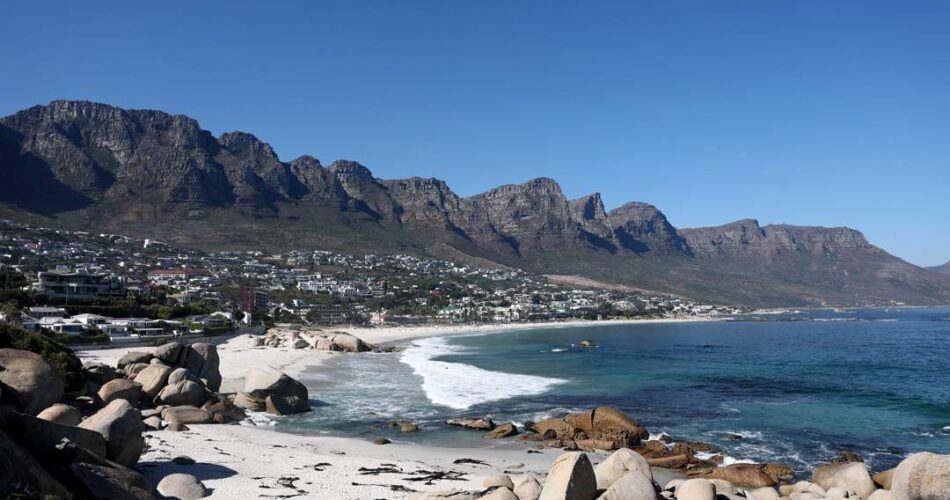
A view of Camps Bay. In South Africa, the average price of residential properties purchased by the wealthy increased by 38% over a 12-month period, partly due to rising house prices in the Western Cape.
Francois Nel/Getty Images
Africans with at least $50 million (R812 million) of investable assets are increasingly buying property for wealth preservation, diversification and potential rental income, according to the continent's largest lender by assets.
In South Africa, the number of residential and commercial properties acquired by the lender's so-called ultra-wealthy clients more than doubled from a year earlier in the 12 months to September 2025, according to Chris Brown, head of wealth and investments at Standard Bank.
Activity has increased after the South African central bank started lowering interest rates through 2024 and remains high, even as the Iran war has boosted inflation and threatens to fuel a rate-hike cycle.
“Often, volatile micro and macro conditions provide them with buying opportunities that otherwise would not have been available, or at a premium,” Brown said. “Our clients take a very long-term view. They will set investment objectives and strive within reasonable reason to reach those objectives to look after the next generations, regardless of politics and short-term shocks.”
According to Henley & Partners' Africa Wealth Report, South Africa is home to more than 41,000 individuals who have liquid investable assets of at least $1 million, making it the richest country on the continent.
Read | Standard Bank wins global awards for investment banking and sustainable finance
Rapidly growing economies and industrialization across the continent are expected to create more millionaires from Cairo to Cape Town.
Property is also a prized investment among high net worth individuals in major economies such as Kenya and Ghana, where they are increasingly investing in grade-A office property, agricultural land and residential real estate to hedge against currency volatility, Brown said. He said interest rate fluctuations have little impact on purchasing activity in the East African nation.
“What sets African high net worth individuals apart is their ability to deal with volatility ranging from currency fluctuations to regulatory and political risk, while continuing to build, protect and transfer wealth across generations,” he said. “It is the combination of adaptability, long-term thinking and strategic risk management that ultimately defines wealth on the continent.”
Read | Here are some of SA's fastest growing companies – Fieldbar tops the list
In South Africa, the average price of residential properties purchased by the wealthy increased by 38% over the 12-month period, partly due to rising house prices in the Western Cape province. The region hosts three of the continent's top five fastest-growing centers for millionaires: Cape Town, the Cape Winelands and the Whale Coast – a collection of small holiday towns where some species of mammals pass through during their annual migration from Antarctica.
Industrial properties, including logistics, made up about two-thirds of Standard Bank clients' commercial real estate purchases, followed by retail and office.
The lender published a report on Thursday in which it categorized the continent's wealthy as entrepreneurs, corporate corruptors or legacy managers. According to its research, business owners account for about 90% of Africa's wealthy.