
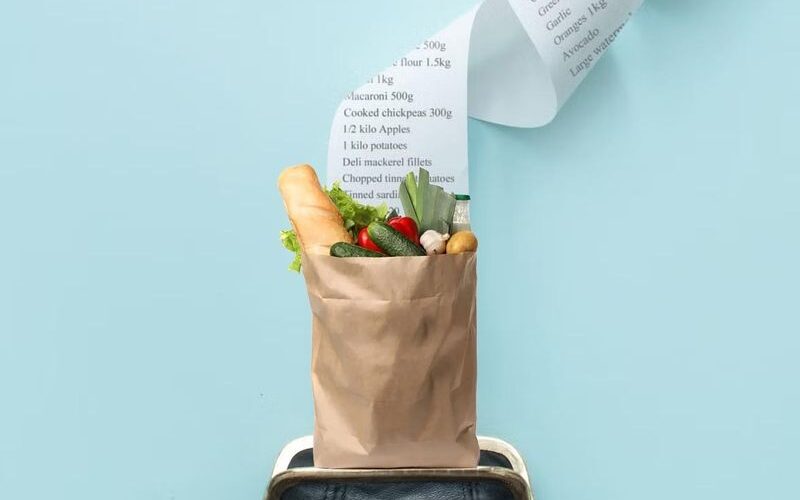
The drudgery of buying groceries and paying more every month for the same basket of basics has now become a little easier. Two young South African entrepreneurs are taking different approaches to the same problem: helping consumers reduce their grocery bills at a time when food, fuel and electricity prices are eating up all disposable income.
Still Good, co-founded by chief executive Stephen Burrows, is helping consumers buy discounted near-expiration and surplus food, while Grosify, founded by app developer Ethan Stander, lets you compare grocery prices before you go to the store. In both cases, the idea is simple: Consumers need practical ways to pay less for goods they already plan to buy.
Burrows says Still Good's newly launched The Goods Marketplace is an online store that helps South Africans reduce their cost of living by purchasing discounted items. It also helps companies recover revenue on short-dated and problematic stocks.
The market sells short-term pantry staples, groceries, personal care items, cleaning products, and some electronics. These range from deodorant, peanut butter, sweets and crisps to bin bags, dishwashing liquid, batteries and wireless earbuds. There is a discount of more than 60% in this.
“Our goal is to prevent a portion of the 10 million tonnes of food wasted each year in South Africa before it reaches supermarket shelves,” says Burrows.
The business first launched with Value Bags, which gave consumers access to discounted, near-expiry or surplus bakery and fresh grocery items from leading retail partners including Pick n Pay, Absolute Pets, Food Lovers Market and Spar. In its first 12 months, Still Good helped shoppers save around R6 million through the sale of these value bags, says Burrows.
The Goods is a step up from the mystery-bag model. Instead of buying a bag of discounted goods without knowing what's inside, you can pick out the specific items you want. Burroughs says this allows households to save on everyday products while also reducing waste in the supply chain.
“We built Still Good on the belief that great products shouldn't be wasted just because they're close to their best-before date, and the Goods Marketplace was the logical next step in that mission, moving beyond consumer-facing waste reduction at the retail level to tackling surplus and short-dated stock throughout the supply chain. Everyone wins: suppliers and manufacturers, as well as customers and the planet.”
Early buying patterns are telling. Over the past four weeks, Cape Town's southern suburbs, Durban North, Roodepoort and Johannesburg's northern suburbs have emerged as some of the hottest selling areas. These aren't traditionally the areas most associated with bargain hunting, but Burrows says the trend shows middle-class consumers are also under pressure, or are more willing to buy a product closer to expiration if it reduces waste and saves money.
Orders are delivered to over 2,000 Courier Guy Lockers across the country, meaning shoppers in smaller towns or rural areas can access cheap goods even if they don't have a short-term food store nearby. Last-mile delivery costs are lower than traditional courier costs, and Still Good says these savings are passed on to consumers.
In the weeks since The Goods Marketplace launched, the website has tripled the number of stock-keeping units, showing there is interest from both suppliers and buyers. “We are a practical, everyday solution for families who want to stretch their budget as well as for those who are environmentally conscious and want their spending to reflect their values,” says Burrows.
different approach
From the price-comparison side, Standar's Grossify faces the same problem. The idea came from his girlfriend's mom, who was checking prices on four different retailer apps and asked if there was a way to make the process faster.
Stander created Grosify as a free tool that allows shoppers to compare grocery prices across stores and create shopping lists that update by location. He doesn't see it as a budgeting app in itself because, he says, it doesn't help with setting a budget. “It's pretty much just that if you go there and you have a budget in mind and an idea of what you want to buy, you can look and find the cheapest offer for the item you want,” he says.
One of the key features is the grocery list function. Users can add items to basket, turn the basket into a list and see where to find the best price.
Stander says consumers prioritize convenience over every possible savings. Most people don't want to drive to four different stores to get the “true cheapest” basket. They are more likely to choose the single store that gives them the cheapest overall basket. This makes sense because savings that require extra petrol, parking and time can quickly become less useful.
Grosify also shows prices per 100g, which helps consumers make fair comparisons of products rather than getting distracted by pack sizes or specialties that may not offer the best value.
Stander says the difference in grocery prices can be significant. In a comparison involving bulk soft drinks, the difference was R60 to R80. In another grocery basket comparison, Cape Town was about 20% more expensive than Johannesburg. He says the basket in Johannesburg was around R380 and in Cape Town it was closer to R430 or R440.
Growsify also includes loyalty card pricing and special features, including buy-to-buy offers, percentage discounts, and multi-buy promotions. The app is free now and does not require users to sign up. Stander says he doesn't want to charge users or load consumer-facing advertising on the app.
In the long term, their business model may include providing brands or retailers access to pricing data, or allowing retailers to pay for some product placement, provided that the tool remains useful to shoppers.
Factors to keep in mind
For consumers, the lesson from both platforms is that grocery savings don't have to come from a huge change. you can:
- Compare prices before leaving home.
- Choose the cheapest single-store basket instead of defaulting to the store you always use.
- Check price per 100 grams.
- Buy short-dated pantry items, toiletries or cleaning products when the discount makes sense.
- Instead of planning every meal in advance and shopping at full price, use extra vegetables or bakery items to create meals based on what's available.
However, there are some rules of engagement. Short-dated products save you money only if you use them before their expiration date. A discounted product that ends up in your trash can is still a waste of money.
You should check whether the item has a best-before or use-by date on it, whether it can be frozen and whether it is something the family would have bought anyway. The same applies to bulk purchasing. A 24-pack may be cheaper per unit, but only if you have the cash flow, storage space, and need for it.
The grocery bill isn't likely to become painless any time soon. But these two platforms show how technology, surplus stock and a little shopping discipline can help families find some relief. DM
This story first appeared in our weekly DM168 newspaper, available nationwide for R35.