
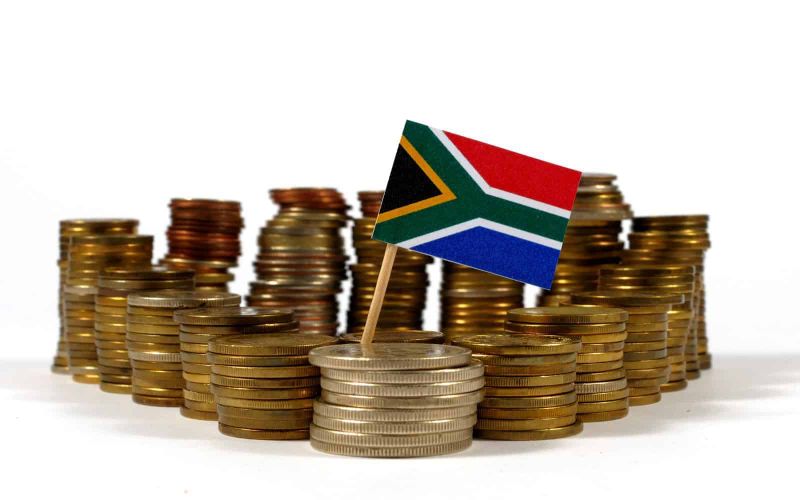
That's the broader picture emerging from a host of recent studies, including Frank's inaugural Wealth Index, TransUnion's latest Consumer Pulse study and new commentary from earned wage access platform Paymeno.
Together, the findings suggest that while income matters, habits may matter more.
The franc's wealth index, based on responses from 3,952 economically active South Africans, received an average score of only 45 out of 100. To put it bluntly, many houses are neither collapsing nor thriving, but are stuck in an uncomfortable middle.
The report's sharpest conclusion is that behaviors like budgeting, saving regularly, managing debt and planning ahead often outperform age, education and income as predictors of financial well-being.
Dr. Thomas Brennan, co-founder and CEO of Frank, said many people believe that earning more automatically solves money problems.
He said, “What the report showed for me…is that the moment you're able to get into habits like saving regularly, tracking your expenses, keeping debt manageable, and developing a financial plan, you see disproportionate improvements in financial well-being.”
This could be encouraging news in a country where wage growth has been uneven and unemployment remains stubbornly high. This suggests that changes in behavior can yield some benefits even before the big pay check arrives.
emergency savings hole
If a red warning light is flashing on the data, it is an emergency save.
Frank found that 87% of respondents did not have enough emergency savings, defined as about three months' income. Nearly one in four said they couldn't save anything monthly.
Brennan said it changes the way people think and act.
“Once people have emergency savings, it allows them to think about investment risk,” he said. “Headspace changes.”
Without a buffer, every unexpected expense becomes a crisis – from a flat tire, a dentist bill and a school year to temporary job interruptions. With a buffer, the same incident is inconvenient rather than disastrous.
This makes emergency savings one of the healthiest money habits South Africans can develop in 2026, even if the first goal is modest.
minus: silent handbrake
Debt remains another dividing line.
Frank found that 34% of respondents had a heavy debt burden, with debt consuming more than 35% of their income. Those who had more debt had an average Wealth Index score of 31, while those who managed debt effectively had an average Wealth Index score of 53.
That difference is huge. It shows how debt can deplete savings, increase anxiety and reduce resilience.
South Africans seem to be realizing this. TransUnion found that 35% of consumers said they paid off debt faster in the last three months.
Ayesha Hatiya, director of research and consulting at TransUnion South Africa, said families are adapting in practical ways.
“These behaviors reflect a more cautious and deliberate approach to money management. Consumers are looking for ways to maintain stability, whether by reducing non-essential spending, managing debt more actively or setting aside money for future needs.”
This may be the new consumer mood – less rosy optimism, more spreadsheet realism.
Cutting out the excess, choosing the essentials
TransUnion found that 51% of South Africans have cut back on discretionary spending such as eating out, travel and entertainment, while 31% have canceled memberships or subscriptions.
These aren't earth-shattering changes or clever viral hacks. It's as simple as families making changes wherever possible and cutting costs.
Small recurring expenses are often hidden in plain sight. Just think about your unused streaming services, impulse delivery costs, convenient shopping, premium data options and rising lifestyle inflation.
Families who review these costs now can make room for savings later.
What should South Africans do now
The combined data points to five practical habits:
1. Build a Starter Emergency Fund
If this seems impossible then forget three months immediately. Start with Rs 1,000, then one month's expenses. Marking milestones as you work on your savings will give you a sense of accomplishment and motivation to continue saving.
2. Attack expensive debts first
Credit cards, unsecured loans and store accounts often suffer the most damage. High-interest debt grows quietly but aggressively. This means that you are not only repaying your loan, but you are also paying interest every month. Payments were missed, and fines piled on top.
3. Keep track of monthly expenses
You can't steer a ship you refuse to map, and awareness often heals ruin. Check if your bank app allows you to categorize and track your spending. Some apps allow you to set limits – for example, for groceries – and send you an alert when you reach 75% of the limit.
4. Automatic Savings
Automating savings takes less effort or hard work to do the right thing. Even a small debit order helps create stability, as the money is gone before you can spend it elsewhere.
5. Convert goals into plans
Saying you “want to save more” is too vague a task, but deciding to save R500 per month for a R6,000 emergency fund by next April gives the goal size and urgency.
Knowledge matters, but action matters more
South Africa often celebrates April as Financial Literacy Month, but information alone does not guarantee results.
Frank found that 64% of respondents rated their investing knowledge as intermediate or above, yet many still lack emergency savings and retirement preparation.
The gap between knowing and doing can be a real challenge.
Dennis Neethling, head of marketing at Paymeno, said financial flexibility is about practical decisions, not expertise.
“Financial literacy is not about becoming an expert, it is about understanding enough to make better choices,” he said. “Knowledge costs nothing; financial mistakes cost everything.”
You can't control inflation, interest rates or global shocks, but you can control your habits. Sometimes wealth begins not with a windfall, but with canceling a subscription, paying off an extra loan and saving a small amount today. DM