
South Africa's food inflation outlook is coming under renewed scrutiny as forecasters become more cautious over the potential intensity of the next El Niño cycle, a change that could threaten regional crop production, reduce export surpluses and increase consumer price pressures in the coming months.
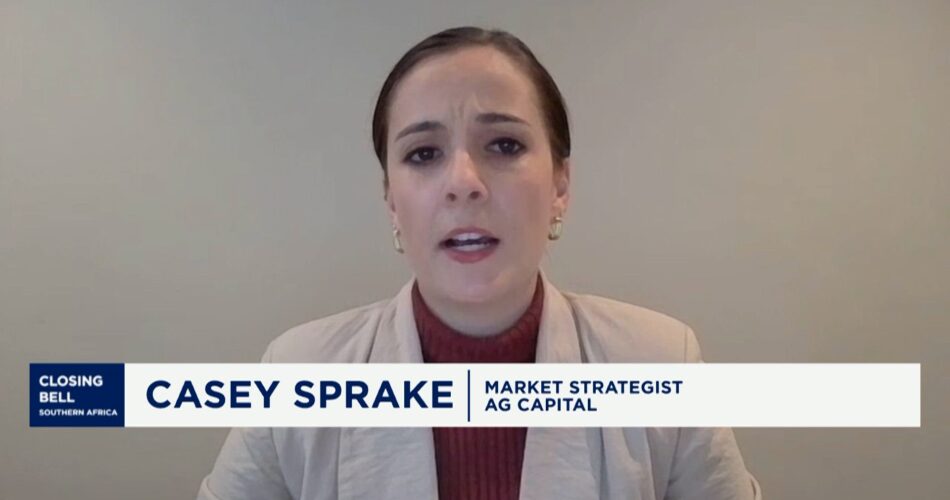
Speaking in a television interview, AG Capital market strategist Casey Spruy said the El Nino outlook has become “more aggressive” than it was a few months ago, raising the possibility that southern Africa could face a more disruptive weather event than previously expected. The warning comes at a sensitive moment for the region, with parts of South Africa currently grappling with flooding, while the wider agricultural sector prepares to move into the dry weather pattern typically associated with El Nino.
Spruie said uncertainty is still high and the market is unlikely to get complete clarity as long as the program is running. Still, he cautioned that the range of possible outcomes is narrowing rapidly.
This matters for South Africa because weather shocks have an outsized impact on prices of staple foods, particularly maize meal, one of the most important and politically sensitive commodities in the country's inflation basket. While South Africa is relatively better off than many of its neighbours, the regional consequences of a severe El Niño could still impact domestic prices through agricultural supply disruptions, trade shifts and broader inflationary pressures.
According to Spruie, the effects of this weather pattern generally spread outward from the center of southern Africa. This affects countries such as Zimbabwe, Zambia and Malawi more intensely, while South Africa sits on the southern edge of the rainfall-deficit zone. South Africa's more commercialized and mechanized agricultural sector also provides a degree of protection, helping to cushion the blow relative to less developed agricultural systems elsewhere in the continent.
Still, he stressed that resilience should not be confused with immunity. South Africa's agricultural sector has made progress in adapting to climate instability, but these gains have been incremental rather than absolute. In their view, improved resilience can reduce the severity of a recession, but it cannot completely protect production from severe drought cycles – especially if it coincides with other shocks such as strained logistics networks and increased energy costs.
Those external pressures are becoming increasingly important. Along with weather risks, higher oil prices linked to geopolitical tensions in the Middle East are adding another layer of uncertainty to the inflation picture. For food producers and distributors, more expensive fuel increases transportation and input costs, while a weaker rand could further push up prices for imported staples such as wheat and rice.
Spruy said corn meal is likely to be the category most sensitive to damage from local weather, as it is typically the first and hardest hit when crop conditions deteriorate. Bread, grains and rice are also highlighted, although for slightly different reasons. Wheat is already imported at parity price and rice is fully imported, making those categories particularly sensitive to exchange rate moves and global commodity trends regardless of domestic growing conditions.
For now, South Africa is entering this period from a position of relative strength. Spruy said the country has a record maize crop of about 16.8 million tonnes, creating a vital buffer against bad weather. That stockpile will help the market absorb initial shocks and could help the country meet domestic demand even if weather conditions worsen.
The bigger question, however, is whether that cushion can withstand an entire inclement season without meaningful impact. Historically, Spruy said, the answer is no. In such a scenario, South Africa may still be able to supply its own market, but the surplus available for export is likely to decline sharply. This will reduce the resilience of regional grain flows, such that neighboring countries face greater production stress.
For consumers, the impact of inflation may not be immediate, but it is likely to become more visible over the next several months. Spruie said it typically takes about three to four months for food and fuel shocks to reach the consumer inflation basket. This means the impact of both El Nino concerns and higher oil prices may begin to be fully felt in the near term.
Currently, he said, forecasts point to headline consumer inflation reaching around 4.7% to 4.9% by June, with expectations that price pressures will begin to ease. He described that trajectory as close to the best outcome for consumers. Any further increase in weather disruptions, or an extended period of elevated oil prices, would likely worsen that outlook.
Meanwhile, financial markets are already adjusting to the stronger inflation path. Spruie said investors are anticipating a rise in inflation, although there is debate over how long the shock might last. The shift is also boosting monetary policy expectations, as markets move away from a more neutral rate outlook and toward the possibility of additional interest rate hikes.
He said a 25 basis point increase could come at the South African Reserve Bank's upcoming May meeting or potentially in July if policymakers choose to wait. At the moment, the market appears to be treating the inflationary impulse as a momentary blip rather than the beginning of a longer cycle, but this perception could change rapidly if the weather forecast worsens or supply-side pressures increase.
The warning underlines how weak South Africa's inflation outlook remains due to a combination of climate risks and global geopolitical instability. While strong current crop conditions provide some relief, the transition from a wet cycle to an El Niño-driven dry season could test that resilience, with corn, transportation costs and interest rate expectations all emerging as key fault lines.
As the 2026/2027 summer harvest season approaches, the key issue for policymakers, investors and households will be whether South Africa's existing agricultural buffer is sufficient to absorb another major weather shock – or whether food inflation is set to rise again as consumers grapple with already tight financial conditions.