

– Advertisement –
through formal, comprehensive and urgent submitThe African Center for Biodiversity (ACB) has urged the Minister of Agriculture to deregister and ban glyphosate in South Africa, after new South African National Accreditation System (SANAS)-accredited laboratory results showed glyphosate contamination in maize meal, wheat flour, bread and baby cereal, with two products exceeding the legal default limit.
ACB has also presented, for ease of reference, a briefing paper It highlights independent SANAS-certified laboratory results that confirm that glyphosate and its toxic metabolite, aminomethylphosphonic acid (AMPA), are present in staple foods consumed daily by millions of South Africans, forming the main evidence component of the submission to the Minister.
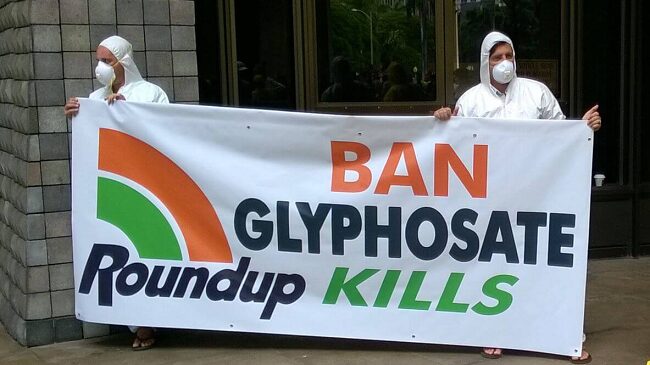
The presentation cites the following main premises:
- New South African laboratory evidence confirms dietary exposure through staple and baby foods.
- Major new international science, including the 2025 Global Glyphosate Study, shows carcinogenic effects at supposedly “safe” doses. The study shows a statistically significant increase in tumors at levels that regulators still claim are safe.
- Historically reliable Williams, Croze and Munro (2000) industry-aligned paper Defenses of glyphosate's safety based on ghostwriting and unknown conflicts have been formally withdrawn. The study has been used extensively by regulators to justify the safety of glyphosate, and its removal destroys the cornerstone of global regulatory reliance.
- Over 192,000 lawsuits have been filed in the US, with over US$6 billion in jury awards and US$10–11 billion in settlements already paid out. In February 2026, Bayer agreed to a US$7.25 billion national settlement to resolve current and future claims. This global legal outcome confirms that the harms associated with glyphosate are being recognized and compensated in the courts – and can no longer be dismissed as speculation.
- Legal duties under the Constitution, the National Environmental Management Act (NEMA), and the Fertilizer, Agricultural Feed, Agricultural Treatment and Stock Treatment Act 36 of 1947 (Act 36 of 1947) require action in the event of serious or irreversible damage.
ACB test results: Glyphosate is in foods South Africans eat every day
Independent SANAS-certified LC-MS/MS laboratory testing found: :
- Impala Special Maize Food: Glyphosate and AMPA (AMPA). crossed Default Maximum Residue Limit (MRL)
- Snowflake wheat flour: Glyphosate exceeded default MRL
- Sasko Premium White Bread: Trace Glyphosate and AMPA
- Cerelac Baby Cereal: Trace Glyphosate
The use of glyphosate in genetically modified (GM) herbicide-tolerant corn and wheat production systems results in residues that persist in final food products. Glyphosate and AMPA are raising health concerns, with evidence linking them to cancer risks, endocrine disruption, and gut microbiome damage. AMPA is of particular concern because it is highly persistent and has its own toxicological profile.
Their detection in everyday foods – including maize meal, bread and infant cereals – means South Africans face ongoing, unintentional exposure, including infants and vulnerable families. Additionally, glyphosate use is associated with a reduction in the nutritional profile of crops, further increasing the health burden on already stressed and vulnerable populations.
Zakia Ismail, ACB research coordinator for pesticides, said: “The detection of glyphosate in Cerelac baby cereal is one of the most alarming findings. Infants are more vulnerable physically. The presence of glyphosate in baby cereal is unacceptable, unconscionable and inconsistent with South Africa's constitutional protections for children.”
of ACB briefing show that the abundance of AMPA in corn meal and the abundance of glyphosate in wheat flour highlight serious regulatory blind spots, where key residues are neither properly monitored nor effectively regulated. The briefing emphasized that MRLs are not health-based safety standards. Rather, they are administrative limits designed to monitor compliance and facilitate trade, not to evaluate real-world health risks associated with long-term dietary exposure.
As a result, MRLs fail to consider cumulative, long-term exposure, the combined effects of multiple exposures, and the increased vulnerability of infants and children, whose developing bodies are more sensitive to toxins.
ACB Executive Director Miriam Mayet comments: “Our submission presents new trial evidence, new global carcinogenicity findings, the collapse of the industry-funded safety narrative following the retraction of the 2000 Monsanto-linked paper, and massive global litigation, all of which make the continued authorization of glyphosate untenable. The government can no longer claim ignorance. The case for a ban is compelling.”
ACB demanded immediate government action
According to the group, South Africans deserve clean, safe, nutritious food – not chemical residues. “This is an opportunity for the Minister to act decisively to protect public health. Glyphosate must go!” This was presented.
In its submission to the minister, the ACB demanded:
- De-registration and prohibition of glyphosate under Act 36 of 1947.
- Immediate ban on high-risk uses (pre-harvest drying, public places).
- Public advice, particularly regarding infant feeding.
- Precautionary review of glyphosate-tolerant GM crop approval to date.
- Ban on future herbicide-tolerant GM crops.
- A national phased plan with support for agro-ecological alternatives.