
Africa is entering a more complex phase, shaped by rising geopolitical tensions, changes in capital flows and uneven development in key markets. From currency pressures in East Africa to record valuations in Nigeria's banking sector and new momentum in frontier economies, the continent is harnessing both opportunities and risks in an increasingly volatile global environment.
Global banks flag risks to Kenya's shilling as Iran war escalates
The Kenyan shilling is emerging as one of Africa's weakest currencies, as global banks warn that rising oil prices linked to the Iran conflict could put fresh pressure on East Africa's largest economy. Strategists at Citigroup, Standard Chartered and Societe Generale told Bloomberg that the currency's recent stability may be difficult to maintain as higher energy costs increase Kenya's external imbalances. The country imports almost all of its fuel, making it vulnerable to oil price shocks.
why it matters: Kenya's currency stability has been a key pillar of investor confidence. Continued oil shocks could widen the current account deficit, weaken the shilling, and force tighter monetary conditions – highlighting how external shocks are shaping macro stability across Africa.
Zenith achieves N5tn market cap, becomes Nigeria's most valuable bank
Zenith Bank has become the first Nigerian lender to surpass N5 trillion market capitalisation, cementing its position as the country's most valuable banking group. milestone The bank's shares have surged, driven by strong earnings performance and investor optimism around its planned listing on the London Stock Exchange (LSE) by 2027.
why it matters: Zenith's valuation milestone signals investors' growing appetite for high-quality Nigerian banking assets despite macroeconomic volatility. It also underlines the growing importance of capital markets depth and cross-border listings in unlocking value for African financial institutions.
Why Ethiopia, Guinea, Uganda are projected to lead Africa's growth in 2026?
The economy of sub-Saharan Africa is Estimate According to the International Monetary Fund's latest Regional Economic Outlook, there will be growth of 4.3 percent in 2026, but the expansion will be uneven. Marginal economies such as Ethiopia, Guinea and Uganda are expected to perform better driven by infrastructure investment, commodity exports and policy reforms. In contrast, larger economies such as Nigeria and South Africa face structural constraints.
why it matters: The shift towards frontier-based development signals a changing economic hierarchy in Africa. Investors may increasingly look beyond traditional giants to smaller, faster-growing markets that offer higher returns and recovery momentum.
African business activity expanding amid rising global tensions
Africa's private sector activity showed new strength In the first quarter of 2026, more economies are recording expansion despite rising global uncertainty due to tensions involving the United States, Israel and Iran. BusinessDay analysis of S&P Global's Purchasing Managers' Index (PMI) data indicates improving business conditions in several African markets.
why it matters: The resilience of private sector activity suggests that underlying economic momentum remains intact despite heightened global risks. This could support the growth outlook and strengthen Africa's position as a diversification play for global investors.
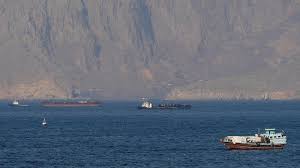
Africa faces renewed pressure as Iran closes the Strait of Hormuz, hours after briefly reopening it
African economies are facing renewed cost pressures after Iran again closed the Strait of Hormuz on April 18, which temporarily relieved global oil markets. Disruption in one of the world's most important oil transit route This is expected to increase energy prices and increase the import bill of oil-dependent African countries.
why it matters: High oil prices directly impact inflation, fiscal pressures and currency instability across Africa. The renewed disruption highlights the continent's sensitivity to external energy shocks and the urgency to diversify energy sources and strengthen economic buffers.
chart of the week
window.addEventListener(“message”,function(a){if(void 0!==a.data(“datawrapper-height”)){var e=document.querySelectorAll(“iframe”);for(var t in a.data(“datawrapper-height”))for(var r,i=0;r=e(i);i++)if(r.contentWindow===a.source){var d=a.data(“datawrapper-height”)