
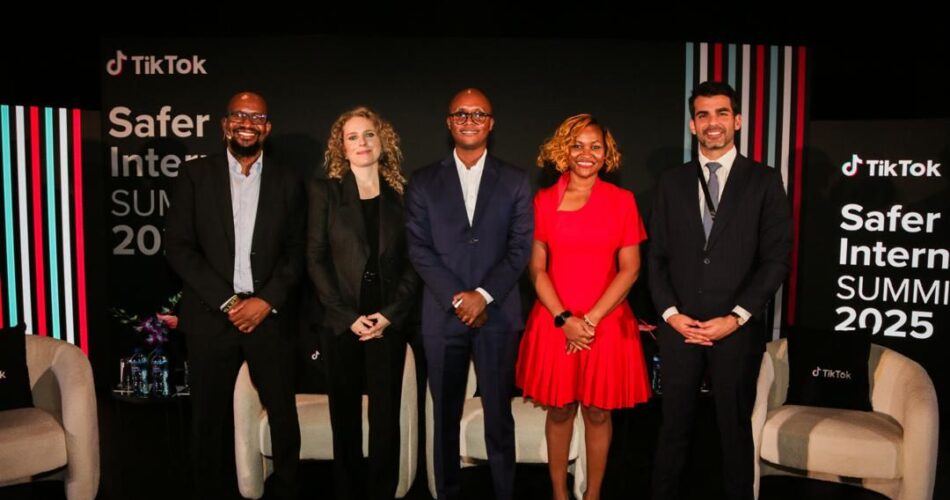
Governments across Africa and social media platform TikTok are strengthening collaboration to create safe digital spaces for children, as millions of young users connect to the internet each year and new technologies like artificial intelligence reshape online environments.
The effort is gaining momentum following the adoption of the African Union Child Online Protection and Empowerment Policy in 2024, the continent's first regional framework focused on protecting children online. Nearly two years later, governments are moving from policy commitments to practical steps that include consultations, education programs and partnerships with technology companies.
Across Africa, policymakers say the goal is to ensure that children can benefit from the opportunities created by digital platforms while reducing risks such as cyberbullying, exploitation, harmful content and misuse of personal data.
Also read: TikTok invests $200,000 in AI media literacy as Africa faces growing deepfake risks
In Nigeria, the Federal Ministry of Communications, Innovation and Digital Economy in partnership with the Nigeria Data Protection Commission has launched a nationwide public consultation on child online safety. The process is gathering views from parents, teachers, digital experts and youth to help shape a national framework that reflects the country's growing digital ecosystem.
Minister Bosun Tijani said the internet has become an important place for learning, creativity and communication, especially for young people, but he said security measures must also increase along with digital adoption.
She said children face a variety of online risks, including cyberbullying and harmful content, as well as emerging concerns related to artificial intelligence tools that could be used to manipulate images or spread misinformation.
According to Tijani, any approach to online safety must protect children's rights while allowing innovation and digital opportunities to flourish.
The conversation is also expanding to other African countries as regulators and technology companies seek stronger collaboration.
In Kenya, the Kenya Communications Authority has highlighted the need for better protection for young Internet users. Officials say the rapid increase in social media use among teens and children has made online safety an urgent policy priority.
Speaking at the 2026 TikTok Sub-Saharan Africa Safer Internet Summit, Mohammed Haji, representing the regulator's director general David Mugoni, said digital platforms should continue to strengthen age-appropriate protections, parental control features and content moderation systems.
He also said that emerging technologies like deepfakes and AI-generated misinformation could create new risks if not properly addressed, especially during sensitive political or social moments.
Technology companies say they recognize the importance of working with governments and civil society groups to improve online security.
Tokunbo Ibrahim-Okuribido, government relations and public policy manager for Nigeria and West Africa at TikTok, said building a safe digital environment requires collaboration across multiple sectors.
He said TikTok is investing in content moderation, transparency tools and digital literacy initiatives aimed at helping users understand online risks and keep themselves safe on the platform.
“Security must be the foundation of digital innovation,” she said, adding that partnerships with governments and community groups are essential to developing effective safeguards for youth online.
As part of this effort, TikTok has partnered with the African Union on a digital security awareness campaign called “Safer Together”.
Shungu Khazadi, TikTok's head of government relations and public policy for Francophone Africa, Kenya and Uganda, said the initiative provides guidance to teens, parents and teachers on how to manage online risks and develop safe digital habits.
According to Khazadi, the program includes digital ambassadors called “The Guardians”, who create educational content to help young users recognize potential threats, secure their accounts, and make responsible decisions online.
He said the campaign also includes a digital security toolkit designed for African communities, using storytelling and practical guidance to raise awareness of online security.
Globally, technology companies are facing increasing expectations to strengthen protections for young users on social media platforms.
Valiant Ritchie, TikTok's head of trust and safety for Europe, the Middle East and Africa, said the company believes online creativity and expression can best flourish in an environment built on trust and safety.
He pointed to the role of African creators on the platform, many of whom are using digital content to build businesses and reach audiences beyond their home countries.
Ritchie said TikTok's digital wellness programs have reached more than 700,000 parents, teachers and youth in Kenya and the company plans to expand digital literacy and artificial intelligence education to more parts of Africa.
The platform has also introduced tools designed to help users identify manipulated media, including technology that automatically labels AI-generated content through a system called Content Credentials.
Experts say the focus on online security is becoming more important as Africa's Internet population grows rapidly. With the rise of smartphones, millions of children are gaining access to digital platforms for the first time.
UN data shows that nearly two-thirds of children globally believe that cyberbullying is on the rise, highlighting the need for stronger awareness and protection mechanisms.
Regulators say online solicitation rates in parts of eastern and southern Africa are among the highest worldwide, adding urgency to efforts aimed at strengthening child online protection policies.
Kenya's technology envoy Philip Thigo said digital platforms have become an important part of economic and cultural life across the continent, enabling young Africans to learn, communicate and participate in the digital economy.
Also read: Africa's creator economy takes global stage as five stars join TikTok Discover List 2026
However, he warned that the rapid development of artificial intelligence technologies could reshape the online landscape and increase the spread of misinformation if not carefully managed.
Thigo said collaboration between governments, technology companies and civil society will be key to ensuring that digital innovation continues while maintaining strong safeguards for users.
Since more than half of Africa's population is under the age of 25, policymakers say the results of these efforts could shape the continent's digital future for decades.
Across Africa, growing partnerships between governments, regulators and platforms like TikTok signal a broader commitment to ensuring that the digital world remains a safe and empowering place where children can learn, create and thrive.

