
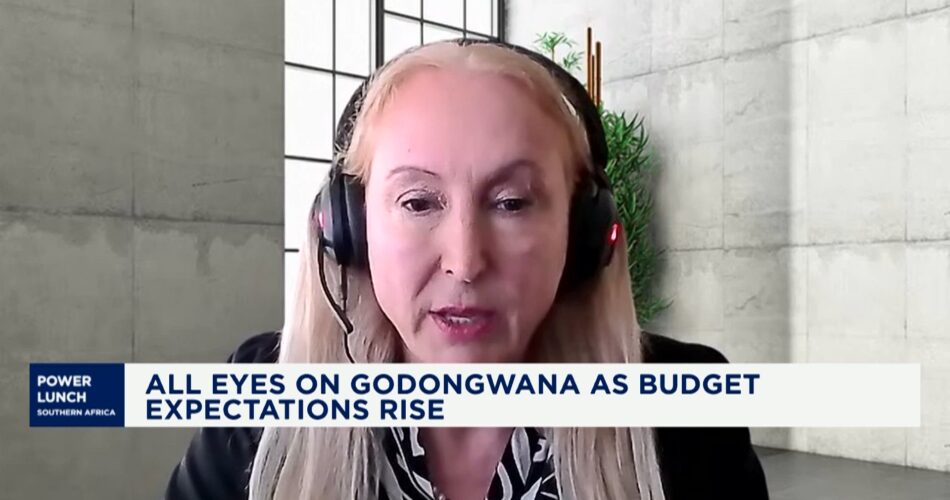
In an atmosphere filled with anticipation and economic flux, Investec Chief Economist Annabelle Bishop provided key insights on what to expect from South Africa's upcoming budget. Speaking with CNBC Africa, Bishop emphasized key economic indicators and fiscal strategies as South Africa stands on the brink of Finance Minister Enoch Godongwana's budget announcements.
As financial markets and the general public waited anxiously, Bishop steered the discussion toward the primary concern—South Africa's debt-to-GDP ratio. Despite global financial uncertainties, he expects the ratio to either stabilize or decline due to strong revenue collections driven by the performance of precious metals and agriculture.
A bright spotlight shining on the JSE, despite it not being directly linked to the budget, underlines the increased investment interest as South Africa approaches this critical fiscal juncture. The expectation of no new tax increases is a key desire of most stakeholders, a CNBC Africa survey shows. Addressing these sentiments, Bishop confirmed the possibility of this expectation being fulfilled, attributing this to higher than expected revenue collections.
As the global economic environment changes, international development pressures – such as the rise in the Middle East and contentious tariff discussions in the US – add layers of complexity to South Africa's fiscal strategy. Nevertheless, the country finds itself in a favorable position as the rand strengthens amid these global uncertainties, largely due to the weak US dollar.
Annabel Bishop estimates that with a strong increase in revenue collections, the South African government could potentially avoid tax increases, using this surplus strategically to manage budgetary requirements for upcoming financial years. He said the additional revenue, which could amount to between 30 and 60 billion rand, was likely to be conserved to offset fiscal years beyond 2025.
On the spending side, Bishop reassured that despite the uncertainties, spending has been moderate, partly due to the decline in government bond yields and reduced borrowing costs. Moreover, the government's prudent fiscal management signals promising prospects as economic forecasts for the agriculture sector and reduction in load-shedding boost optimism for a strong GDP growth rate – which could potentially reach 1.3% in 2024.
Bishop further highlighted the importance of stabilizing South Africa's political environment, noting that reduced political risk has strengthened cooperation within the government, potentially paving the way for broader fiscal reforms. This political balance, coupled with strong fiscal prospects, could lead credit rating agencies such as S&P, Fitch and possibly Moody's to positively review South Africa's ratings, a move that could significantly enhance investor confidence and economic stability.
Throughout his remarks, Bishop expressed cautious optimism, recognizing the delicate balance between huge revenue collections and prudent management of those funds to ensure economic progress without unnecessary austerity or fiscal imprudence.
As South Africa holds its breath for Godongwana's budget speech, Bishop's insights offer an optimistic but tempered perspective on South Africa's financial future – a story of building cautious but optimistic prosperity through strategic economic leadership.