
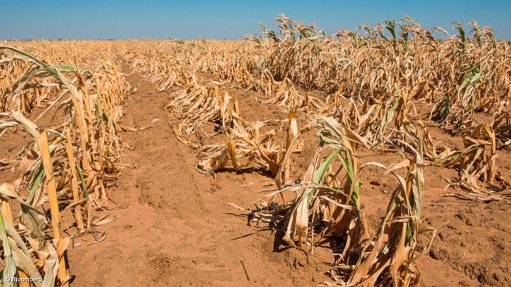
South African farmers, burdened by rising costs from the Iran war, now face the additional risk of El Niño-induced drought, which will lead to lower agricultural production and higher food prices.
That's according to the country's main agribusiness lobby, which warned of an increased likelihood of an El Nino dry season as South Africa's summer planting season begins in October.
“There are worrying developments taking place on the weather outlook front, which are having serious implications for the agricultural sector and ultimately food supplies and prices in the country,” said the chief economist of the Agribusiness Chamber. wandile sihlobo said in a note on Monday.
Rainfed summer cereals such as oilseeds, sugarcane and livestock grazing are most at risk, he said, with about 20% of the planting area of these crops under irrigation.
South Africa received significant rainfall at the start of the 2026-27 winter crop season in April, he said. But Sihlobo said, “We may face below normal rainfall later in the season, which could impact production of wheat, barley, canola and oats this year.”
This will increase pressure on farmers, who are already expected to see wheat plantings fall to the smallest area in a decade due to post-war increases in fuel and fertilizer prices, which are key input costs for agricultural production.
The conflict has heightened concerns about food insecurity and inflation, with food prices becoming the largest item in the basket of goods used to calculate the country's consumer price index.
South African Reserve Bank Governor Lesetja Kganyago Authorities kept interest rates on hold in March after warning they see inflation risks to the upside, flagging potential fallout from the conflict as well as risks posed by the El Nino phenomenon.
The central bank's models show fuel price pressures surged 18.3% in the second quarter and food inflation reached 4.1% by the end of the year.