
- Middle East capital seen as key to unlocking Africa's insurance growth
- EIRS warns digital insurance expansion could outstrip risk capacity at MEA
Dubai, United Arab Emirates/Nairobi, Kenya – As digital insurance continues to gain meaningful momentum across Africa and the Middle East, a key structural gap is emerging that hides a deeper structural risk that could potentially slow the region’s momentum if not addressed.
Analysts say this highlights the growing need for strong, well-organized reinsurance support to sustain growth. According to EIRS, the real bottleneck is no longer demand or distribution, but access to purpose-driven reinsurance capacity, particularly in high-volume, high-volatility areas such as motor insurance.
african landscape
In major markets such as Kenya and South Africa, motor insurance remains the cornerstone of the industry. Yet profitability remains under constant pressure. Rising claims costs, fraud and aggressive pricing have pushed loss ratios above sustainable levels for many insurers, forcing some to reduce underwriting or exit clauses altogether.
At the same time, digital platforms are accelerating policy issuance and expanding reach, often without corresponding developments in how risks are structured or transferred.
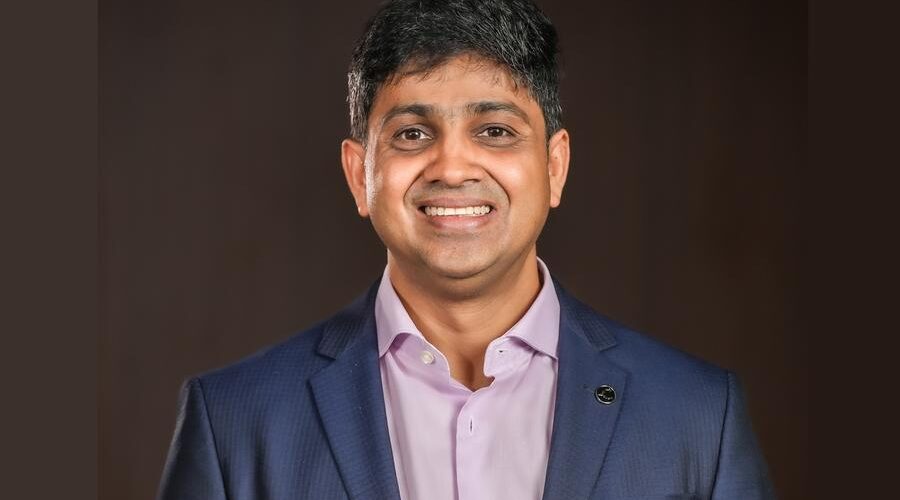
“Digital insurance is growing faster than the risk infrastructure that supports it,” said Abhishek Jain, Chief Executive Officer, EIRS Digital Insurance Ecosystem. “In many African markets, particularly motor, we are seeing growth that is not adequately supported by reinsurance discipline. This creates systemic pressure. The opportunity is not just to grow, but to grow the right way.”
Across Africa, insurance penetration remains low, at around 3% to 3.5% of GDP, compared to the global average of 7%. This indicates significant room for growth, especially as mobile-first delivery models gain momentum. However, it also highlights the need for stronger risk foundations as volumes increase.
middle east focus
In both regions, insurance penetration remains below 3%, not due to lack of demand but largely due to structural constraints in risk appetite, distribution and reinsurance support. However, the Middle East, particularly centers like Dubai, remains a hub of insurance capital and innovation. Markets such as the UAE and Saudi Arabia have invested and continue to heavily support digital transformation, with insurers deploying AI, automation and embedded insurance solutions to drive efficiency and scale.
Yet, despite these advances, the connection between Middle Eastern capital and Africa's rapidly evolving risk landscape remains underdeveloped.
bridging the gap
“Africa is often labeled high risk, but in many cases, this is mispriced due to a lack of local insight,” Abhishek added. “When you combine ground intelligence with structured reinsurance and access to capital from the Middle East, the risk becomes far more manageable and far more attractive.”
Reinsurance, long seen as a backend mechanism, is now being positioned as a leading enabler of growth. Without it, insurers face limits on how much risk they can take on, particularly in volatile sectors such as motor, trade credit and infrastructure. As digital insurance continues to expand rapidly, the message is clear: technology can increase access, but reinsurance will determine sustainability.
About EIRS
EIRS, a subsidiary of ETG, is a global risk advisory and (re)insurance broking firm dedicated to delivering holistic, data-driven risk solutions tailored for emerging markets in Africa and the Middle East. Established in 2019 and operating in 11 African markets with strategic hubs in Dubai and London, EIRS combines deep regional insight with global insurance expertise. Its customer-centric offerings span traditional insurable risks (agriculture, aviation, marine and cargo, construction and engineering, hospitality, trade credit and more) as well as non-insurable risks such as supply-chain disruptions, credit instability, market fluctuations, cyber risks and regulatory risks. Through its risk modeling approach, EIRS helps SMEs and enterprises navigate increasingly complex business environments with confidence, flexibility and agility.
Press Contact:
Marevak Consulting
Patrick Karanjah – patrick.karanjah@marevak-consulting.com
info@marevak.com