
- The 2026-27 budget targets 2% growth by 2028 through reforms and infrastructure spending.
- More than $61 billion is planned for transportation, energy and water projects.
- This strategy comes under high debt, weak growth and 31.4% unemployment.
After years of sluggish expansion, South Africa is aiming to boost economic growth to 2% by 2028.
Presented In Cape Town on February 25, the country's 2026-27 budget lays out a strategy built on structural reforms, infrastructure investment and fiscal discipline as the recovery remains fragile.
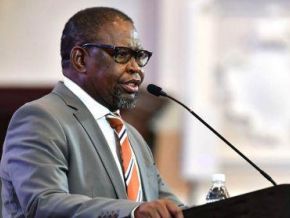
The growth rate in 2026 is estimated at 1.6%. To move forward at that pace, officials say they will have to tackle deep structural obstacles. “Persistent logistics bottlenecks, weak public infrastructure and recent foot-and-mouth disease outbreaks are impacting economic activity and posing risks to the outlook.” Finance Minister Enoch Godongwana said. “Our efforts to promote rapid economic growth revolve around four pillars: maintaining macroeconomic stability, implementing structural reforms, investing in growth-enhancing infrastructure, and building state capacity.”
Efforts to unlock investment
At the heart of the plan is a large-scale effort to promote productive investment. Pretoria intends to invest more than 1 trillion rand (about $61.9 billion) in infrastructure in the coming years, prioritizing transportation, energy and water systems.
It aims to modernize roads, rail lines, ports and power supply networks to ease trade flows and reduce long-standing logistics bottlenecks that impact exports and trade confidence.
As part of this effort, 63 projects are currently being developed in partnership with the private sector, including upgrades to border posts and other critical infrastructure. Officials are also relying on the budget facility for infrastructure, which has approved more than 21.9 billion rand of funding for five major projects through 2025.
The urgency reflects a decade of underperformance. Over the past ten years, South Africa's growth rate has averaged less than 1%. While modest growth is expected in 2025 and 2026, it is not enough to address structural unemployment, which stood at 31.4% in the fourth quarter of 2025. Since 2019, the country is one of the most unequal in the world.
Fiscal constraints and debt pressure
Public finances remain under pressure. The International Monetary Fund has highlighted the continued burden of public debt, which exceeds 79% of GDP, while noting that fiscal space is limited. The IMF has urged rapid structural reforms to support growth and stabilize the debt trajectory.
“The 2026 budget will play a key role in achieving these objectives. The authorities will need to meet their primary budget surplus target of 1.5% of GDP,” IMF said. It said this would require credible reforms, including controlling the public sector wage bill, improving efficiency and transparency in public procurement, maintaining strict oversight of state-owned enterprises, and strengthening administrative effectiveness by eliminating inefficient or unnecessary programs.
a strong social focus
Despite fiscal pressures, the government continues to maintain a strong redistributive stance. More than 60% of non-interest spending – more than 1.6 trillion rand out of an estimated 2.67 trillion rand – is allocated to the “social wage”, which includes education, health care and social security.
Education remains a priority. Basic education is allocated approximately 22.7 billion rand to cover recurring costs, with early childhood development receiving a large share of the funding. An additional 12.8 billion rand is earmarked to expand access to preschool.
In health care, 26 billion rand is dedicated to fighting HIV/AIDS, while 21.3 billion rand is set aside to strengthen the medical workforce in a system that regularly faces pressure.
Local governments will receive 86.9 billion rand to ensure the delivery of essential services – water, electricity and sanitation – to more than 11 million households. These transfers accompany governance reforms aimed at improving local management.
These budget choices come as South Africa's fiscal deficit has gradually declined in recent years, reflecting the government's effort to balance economic recovery, macroeconomic stability and the gradual consolidation of public finances.
Karel Tahou (trainee)