
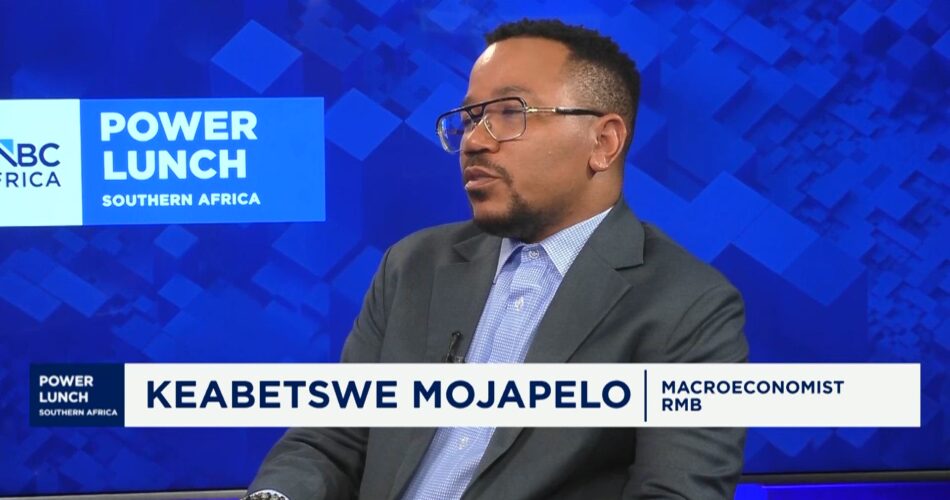
South Africa's business sentiment is on the rise as the country's latest RMB/BER Business Confidence Index climbed to 47 points in the first quarter of 2026, its highest non-rebound level in more than a decade. This positive momentum is attributed to improved financial conditions and political stability, which have played a significant role in increasing confidence among South African businesses. However, behind this widespread optimism are regional challenges, particularly in manufacturing and retail, which highlight fractures in the economic canvas. Discussing the factors behind this remarkable increase in business confidence, Kebati Mojapelo, a macroeconomist at the RMB, noted the favorable convergence of several economic factors. 'The confluence of the well-received State of the Nation Address (SONA), the strong rand, supportive interest rates and falling long-term borrowing costs have boosted business confidence,' explains Mojapelo. The period from 12 to 23 February, during which the survey for this index was conducted, saw a positive reception of government initiatives and reflected growing confidence in the Government of National Unity (GNU) and their budget approval. Investment, closely linked to business confidence, is seeing a potential revival after a long period of stagnation. According to Mojapelo, the current economic environment marks a liberation from the political and policy uncertainties of the past, paving the way for structural reforms that promise strong future growth. Still, this optimism does not negate the underlying risks. Mojapelo points to a number of external challenges, such as export logistics issues, rising geopolitical tensions in the Middle East and competitive pressures from cheap imports, which collectively pose potential obstacles to sustained economic recovery. While new vehicle dealers are expressing extreme confidence after hitting a 13-year high, other sectors like retail and manufacturing tell a more nuanced story. Despite recent increases in household borrowing and low inflation, consumer sentiment appears to be slowing. Nevertheless, hopes for a revival remain, boosted by expected fiscal growth after the start of the new tax season, as reflected by optimistic expectations within the wholesaler segment. Manufacturing presents its own complex dynamics. After previously showing growth, the sector is now in decline, due to global demand uncertainties and increased transportation costs, exacerbated by geopolitical tensions. The interplay of international factors presents a multifaceted challenge for domestic manufacturers seeking stability and growth. Financial conditions have undoubtedly played an important role in strengthening business confidence, providing relief to the consumer and business sectors. The strong rand and easing interest rates have significantly reduced operating costs for local businesses, contributing to this positive business sentiment. Looking ahead to upcoming GDP data, RMB's Mojapelo cautiously predicts a modest contraction, with an anticipated slowdown in the retail and industrial sectors likely to weigh on growth expectations. Despite this short-term challenge, underlying economic resilience, particularly within the services industry, suggests the potential for recovery and growth in subsequent quarters. As South Africa navigates these economic undercurrents, the overall sentiment remains optimistic with a cautious eye towards addressing both internal industry challenges and external geopolitical pressures.