
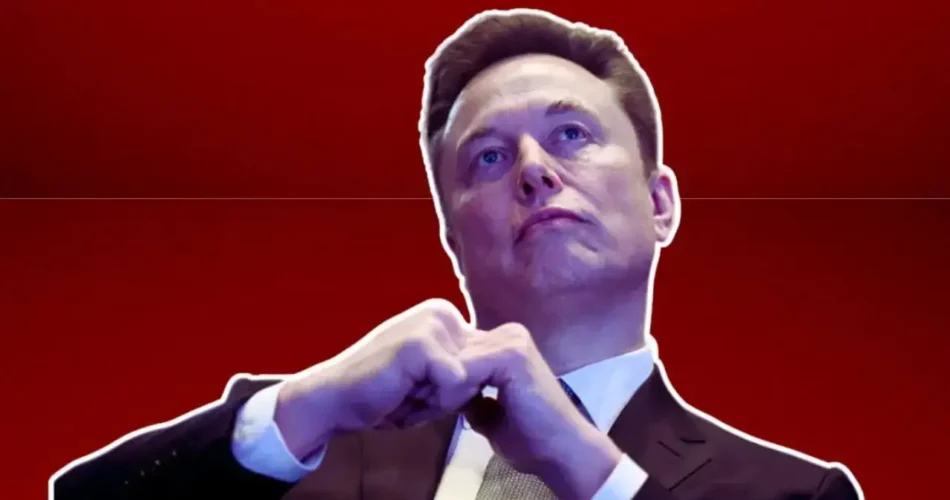
Dispute over ownership rules and licensing
This disagreement centers on South Africa's broad-based black economic empowerment policy. The framework, introduced after the end of apartheid in 1994, aims to address economic inequalities by promoting the participation of historically disadvantaged groups, including black South Africans, women and people with disabilities.
Image Credit: X/alonmaskaoc | Elon Musk criticizes South Africa's ownership laws
Under the country's Electronic Communications Act, companies seeking telecom licenses are generally required to ensure at least 30 percent ownership by these groups. This requirement applies to foreign-owned firms, including Starlink. Compliance is assessed in several areas such as ownership structure, management participation, skill development and enterprise development. Companies that do not meet the thresholds may be denied a license, regardless of technical or financial preparation.
musk Allegations and public statements
Musk, who was born in Pretoria in 1971, raised concerns about the policy in a series of posts on Twitter. He described the rules as “blatantly racist” and claimed they were preventing Starlink from obtaining a license.
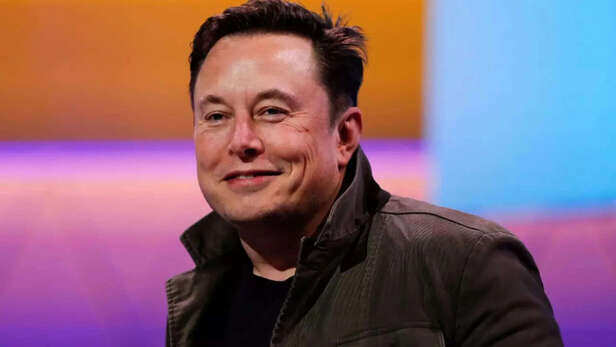
Image Credit: X/alonmaskaoc | Tech billionaire Elon Musk has criticized South Africa's race-based ownership structure
In a post written on April 12, Musk said that South Africa would not approve Starlink because he is not black. He also alleged that officials had repeatedly suggested a way to circumvent the requirements by introducing a black executive as the head of the local operation. Musk said he rejected this approach, calling it bribery and saying he would not support such an approach.
He further described these laws as “bad” and called for international sanctions against those who support them. Musk has previously cited his South African origins in criticism of the policy.
References and previous claims
Reports state that Musk left South Africa around the end of the apartheid era. He has previously made claims of alleged “genocide” against white people in the country. These claims have been described as baseless and were even supported by Donald Trump, who said last year that “terrible things are happening in South Africa.” The United States also offered expedited refugee status to white Africans, citing similar concerns, including claims of land confiscation.
Government response and regulatory situation
South African officials have responded to Musk's criticism by reiterating their position on compliance. Presidential spokesperson Vincent Magwenya indicated that the country is not prepared to adjust its regulatory framework to accommodate any one company.
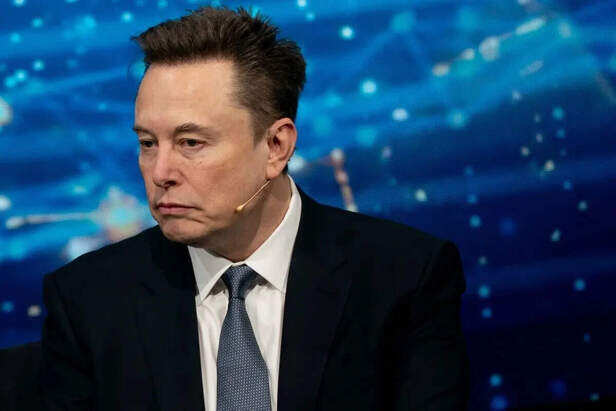
Image Credit: X/alonmaskaoc | Musk criticized for reiterating his position on compliance
He said the United Nations has 193 member states and suggested businesses have many markets to consider if they do not want to follow local laws. His comments were interpreted as a signal that Starlink would either have to meet the requirements or seek opportunities elsewhere.
Another official, Clayson Monyela, pointed out that more than 600 United States companies operate successfully in South Africa by following similar regulations. This was presented as evidence that it is possible for foreign businesses to comply with the legal framework.
The ongoing impasse regarding market entry
This situation reflects the broader tension between regulatory policy and international business operations. While Musk has criticized the ownership requirements, the South African government has said the rules are designed to address historical inequities and apply equally to all companies.
As a result, Starlink's entry into the South African market remains uncertain. The outcome will depend on whether the company chooses to engage with the existing structure or pursue opportunities in other areas.