
why it matters
South Africa's freight logistics reform program is moving from policy development to implementation, with private rail operators expected to begin using the freight rail network from April next year. For exporters, this shift is directly linked to the country's ability to compete on cost, reliability, market access and regional logistics corridors.
The reform agenda also places a renewed focus on Transnet's rail volumes, port administration and infrastructure investment. The planned capacity expansion at the Port of Cape Town, along with the establishment of a Transnet Infrastructure Manager and Transport Economic Regulator, is part of a wider effort to improve the performance of South Africa's rail and port system.
South Africa's freight logistics reform program is moving towards implementation, with private rail operators expected to begin operations on the country's freight rail network from April next year.
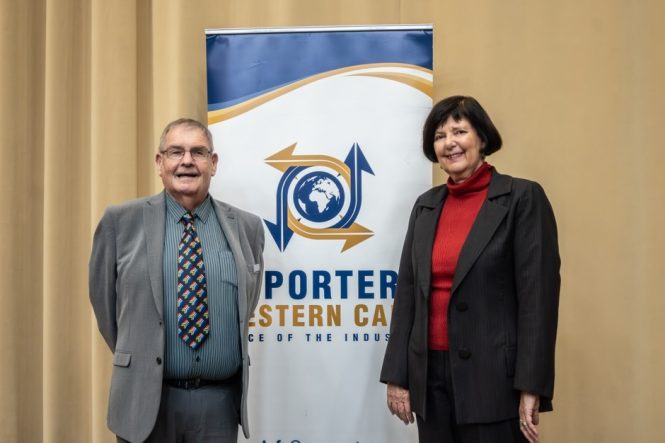
Transport Minister Barbara Creasey outlined the reform priorities during a keynote address organized by Exporters Western Cape in Cape Town, where exporters, logistics stakeholders and industry leaders were briefed on government plans to improve the efficiency of South Africa's rail and port infrastructure.
Creasy said an efficient and cost-effective logistics system is essential to support exports and improve South Africa's ability to move produce and goods to international markets. He acknowledged that the country's logistics network has faced significant challenges in recent years, particularly following the COVID-19 pandemic, while also noting increasing competition from regional ports, including Maputo and Walvis Bay.
According to the minister, progress has been made since the adoption of the National Freight Logistics Roadmap to 2023. This includes the launch of Transnet's first network statement, opening up rail operations to private operators and the establishment of a Transnet Infrastructure Manager.
The government has also established a transport economic regulator, with rules expected to be promulgated by the President allowing the appointment of a chief executive.
Increasing rail volume remains a central priority. The government is targeting 250 million tonnes of freight on the Transnet network in the future, while Transnet expects to move about 168 million tonnes of freight by rail this year.
Creasy also outlined plans to establish the Transnet National Ports Authority as an independent state-owned entity with the aim of enabling greater reinvestment of port revenues in infrastructure development.
At the Port of Cape Town, current investment plans include expanding container terminal capacity from one million TEU to 1.4 million TEU, as well as the introduction of new equipment such as remotely operated ship-to-shore cranes and rubber-tyred gantries.
The Minister also noted the impact of severe weather on the recent fruit export season and said work is underway to improve recovery processes and operational response.
Terry Gale, Chairman of Exporters Western Cape, said the engagement has provided exporters with first-hand information on government policy and reform initiatives impacting the freight and logistics sector. He said reliable and efficient logistics is critical to export growth and South Africa's competitiveness in global markets.