
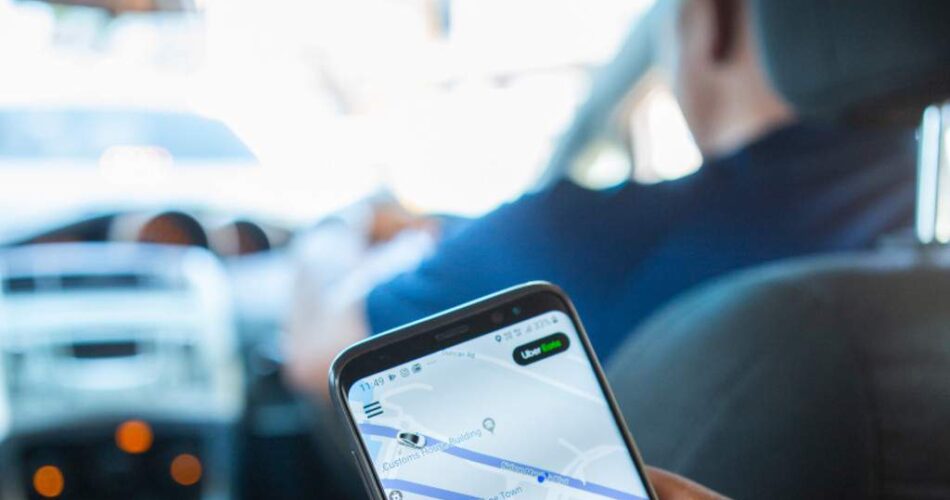
- South Africa's two largest auto insurers say there may be a link between the growth of platforms like Bolt and Uber and positive road safety trends.
- Outsurance claims its data indicates a long-term decline in drunk driving, partly due to the availability of e-hailing options.
- Discovery Insure has reported a 65% reduction in the number of night-time accidents, which it says may be related to the increased use of e-hailing services.
- For more financial news, visit News24 Business.
The two largest vehicle insurers in South Africa, Outsurance and Discovery, believe there is a potential connection between the increased use of e-hailing platforms such as Bolt and Uber and two positive road safety trends.
To put it bluntly, South Africa is not a safe place to drive by international standards. According to the , the road death rate in 2021 was 24.5 per 100,000 people. World Health Organization (WHO) Global Situation Report on Road Safety 2023. The average death rate across the 170 countries that participated in the survey was 15 per 100,000 population.
Road safety is complex and is influenced by factors such as speeding, driving without seat belts, drink driving, weather and poor road infrastructure.
Last week, OUTsurance published its interim results for the half year ending 2025.
Read | Outsurance CEO says Iran war could hit SA car premiums later
In South Africa, the company's claims ratio – a measure of how much it paid out in premiums as a ratio of how much it paid out – fell slightly from 46.3% to 44.8% over the same period in 2024. It should be noted that this figure covers more than just motor insurance.
Marthinus Visser, CEO of Outsurance Group, told News24 that the slight decline was the result of a change in the frequency of claims rather than the severity. In other words, fewer claims were made.
Visser said it's difficult to pinpoint any single reason for the decline. This can be attributed in part to South Africa's aging vehicle fleet, he said, as people with older cars drive them slightly less than new cars. This means they are involved in fewer accidents.
“We've also seen a long-term trend, which is a downward trend in drink driving. It's still high compared to some other developed markets, but I think the good thing is that over time, people have developed a better awareness of it. And you also have some e-hailing apps and options to not drive after having a drink or two.”
He also believes there is widespread awareness that alcohol is not good for your health.
Read | Why SA doesn't have a clear view of the extent of drink-driving related deaths – experts
Visser emphasized that OUTsurance's data does not necessarily reflect national-level trends.
The post-crash data-collection system in South Africa is poor, so it is not clear what proportion of crashes are alcohol-related or how this trend has changed over time.
Driving, calling and sleeping late at night
Of the other insurers contacted by News24, only Discovery Insure provided additional information by the time of publication.
Discovery Insure CEO Robert Atwell said the company cannot provide trends on drunk driving claims because it is not part of the claims process.
However, drunk driving convictions are sometimes confirmed through on-site blood tests or witness statements, he said. Discovery Insurance policyholders “are not eligible for cover if, at the time of the incident, the driver of the vehicle was under the influence of alcohol or drugs over the legal limit, in line with industry regulations”.
But, from 21 billion kilometers of driving data, Discovery has found that the risk of being involved in a serious accident while driving at night is significantly higher.
“Incidents occurring between 23:00 and 04:30 are significantly more serious – up to nine times more serious than incidents occurring during the day,” Attwell said.
However, the number of night-time accidents has declined by 65% compared to 2021 levels.
“Recovery may be driven by increased use of e-hailing services – Discovery Insure reports strong growth in 2025, with almost 270,000 trips made using Uber discounts to customers for trips made between 18:00 and 06:00.”
Atwell also said lower alcohol consumption among Gen Z drivers is another contributing factor. Research published in British Medical Journal This reflects the low levels of alcohol drinking among this group.
cellphone risk
Atwell said Discovery's data shows that cellphone use has quickly overtaken the cause of accidents in South Africa.
“Just 20 seconds spent on the phone during a journey increases the risk of an accident by more than 60%. The research also found that Discovery Insure customers who submitted an accident claim were 52% more likely to use their cellphone than exceed the speed limit on the day of the incident,” Atwell said.
Discovery also looks at the link between sleep and accidents.
Read | Discovery Vitality members can now opt for Ring to track their sleep
“Discovery's recent Sleep Factor research report found that getting enough hours of sleep can reduce the risk of a crash by 32%, while getting enough REM sleep, which is deep and restorative, can reduce the risk of a crash by 14%,” Atwell said.
Zero tolerance at the table
In January, Transport Minister Barbara Creasey said she was amending sections 65 and 55 of the National Road Traffic Act to introduce a complete ban on drinking before driving.
Read | Creasy imposes blanket ban on drinking before driving after festive season carnage
He said the rules in their current form have created a dangerous perception that it is acceptable to drink a limited amount of alcohol before driving.
The biggest advantage of the proposal is its simplicity, says Caro Smit, founder and director of South Africans Against Drunk Driving.
He said some people believe they can drink two beers and still be under the legal limit, but in practice this rule does not work because beers come in different sizes.
“Zero is zero. So, there's no excuse to say, 'Oh, I didn't know that would put me over the limit.' So I think it's pretty simple. It's very clear,'' she said.
Smit said he does not believe the rate of drunk driving has dropped significantly, as there are still too many deaths and injuries on the roads, adding that the cost of e-hailing services means they are not a solution for a large segment of the public.
While praising Creasy for making concerted efforts to improve road safety, Smit said low levels of testing and enforcement remain the biggest issues.